Don’t let a heat wave overwork your fridge: clear, actionable tips to stop it from overheating
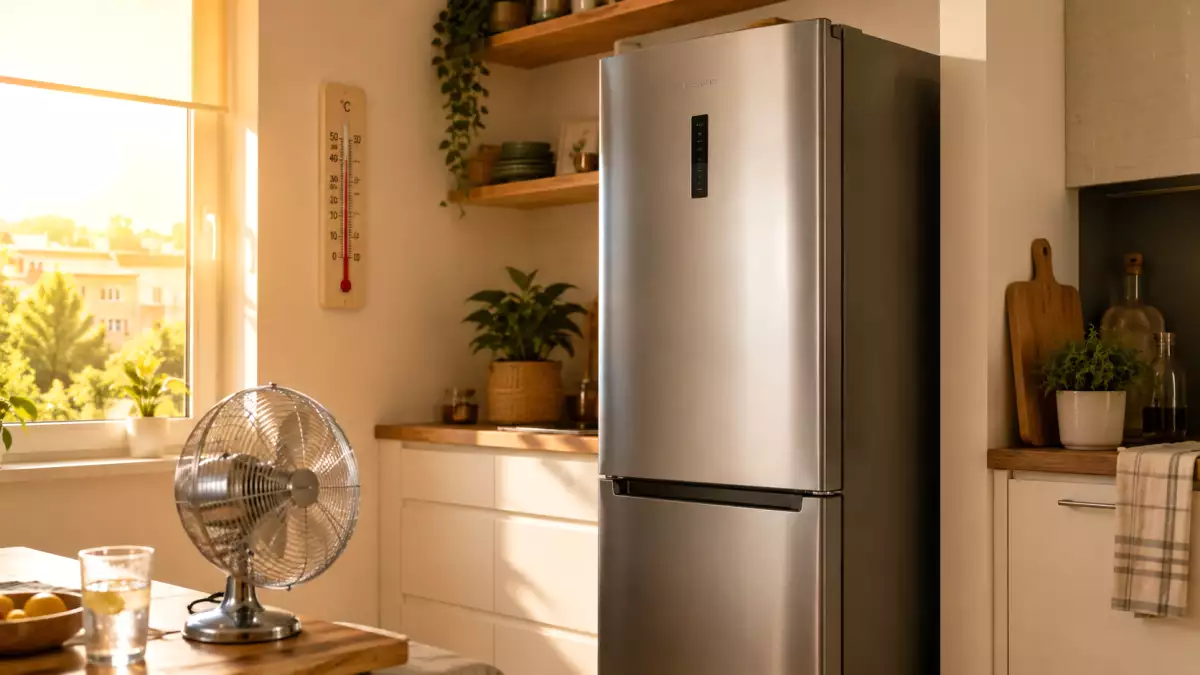
With this heat wave we’re experiencing, it’s not just us who want to stay cool… the fridge does, too!
When temperatures rise, we think about closing the shutters, drinking water, avoiding using the oven, and making salads and cold meals. But we often forget that the refrigerator has to work much harder during a heat wave. It has to keep food cold even though the kitchen is hotter, we open it more often, and we sometimes put bottles of water, cut-up fruit, or still-warm leftovers inside.
As a result, it may struggle to keep up, use more energy, make noise, develop frost buildup, or cool less effectively. And in the middle of a heat wave, this is definitely not the time for it to give out on us ;)
So, how can you help your fridge stay on track during this time? Here are some good habits to adopt.
Check the indoor temperature
Before making any major changes in the kitchen, start by checking one very simple thing: the temperature of the refrigerator.
ANSES recommends monitoring the refrigerator’s temperature, keeping the coldest section at 39°F/4°C, and storing perishable foods such as meat, fish, and prepared meals in that section.
The problem is that during a heat wave, it may seem like the fridge is working normally… even though it’s actually a little too warm inside. If you have a small refrigerator thermometer, now’s the time to dig it out.
Place it in the coldest part, wait a bit, then check. If the temperature is too high, turn the thermostat down slightly. There’s no need to crank it up to the maximum without thinking: the idea is to maintain a stable temperature, not to turn the fridge into a freezer.
Don't overfill it
When it’s hot, we tend to fill the fridge with bottles of water, watermelon, cantaloupe, salads, yogurt, leftovers, cold drinks…and sometimes we cram everything in therejust like we do in a suitcase before a vacation.
Bad idea…
An overfilled fridge prevents cold air from circulating properly. The result: certain areas don’t cool as well, food doesn’t keep as long, and the fridge has to work harder.
ANSES specifically advises against overloading the refrigerator to allow air to circulate inside.
Our tip: Keep only what really needs to be refrigerated. Some unopened beverages, as well as whole fruits or vegetables, can be stored at room temperature in a cool, shaded spot until a few hours before serving, when you can then place them in the fridge.
Never put away a dish that's still hot
We all know this, but it’s even more important in the summer: don’t put a hot dish directly into the fridge.
Why? Because it will raise the temperature inside. The fridge will then have to work harder to keep things cold, and the food around it may be affected by this rise in temperature. In the middle of a heat wave, that’s honestly not the best thing you can do to it.
So let dishes cool down before putting them away, but don’t leave them sitting on the counter all afternoon. The best approach: divide leftovers into shallow containers so they cool faster, then put them in the fridge as soon as they’re cool enough.
And to avoid heating up the kitchen even more, opt for simple meals: mixed salads, open-faced sandwiches, gazpacho, raw vegetables, wraps, fresh fruit… In short, anything that doesn’t require three pots and an oven set to 390°F/200°C.
Keep the door open for as short a time as possible
We’ve all been there, standing in front of the open fridge, wondering, “What should we eat?”
During a heat wave, that’s exactly what you want to avoid. Every time you open the door, hot air gets in. The fridge then has to work harder to bring the temperature back down, which puts extra strain on it.
The solution is simple: think before you open the door. Take out everything you need at once, close the door quickly, and then start cooking.
The same goes for kids who come looking for a drink every ten minutes: if possible, prepare a pitcher of cold water in advance or put a few bottles in a cooler with ice packs to limit the number of trips back and forth.
Keep the refrigerator away from heat sources
If your fridge is right next to the oven, a window in direct sunlight, or a very hot wall, it will inevitably have a harder time performing well.
Of course, you can’t always remodel your entire kitchen. But during heat waves, a few simple steps can help: close the shutters or curtains when the sun is beating down, avoid using the oven right next to it, and let air circulate around the appliance.
You should also avoid placing objects on top of or behind the fridge if they block the ventilation. A refrigerator needs to release the heat it generates. If it’s cramped, it has to work harder.
And if you see a lot of dust behind the appliance, a quick cleaning can do it some good. Always do so safely, of course, and follow the manufacturer’s instructions.
Sorting through sensitive foods
During a heat wave, take extra care with perishable foods: meat, fish, eggs, dairy products, prepared meals, sauces, leftovers, mixed salads, mayonnaise, cut fruit…
These foods are the least tolerant of temperature fluctuations. ANSES notes that cold temperatures slow the growth of microorganisms and recommends a temperature between 32°F/0°C and 39°F/+4°C at the coldest part of the refrigerator.
Here’s a quick tip: place the most sensitive foods in the coldest part of the fridge, check expiration dates, and don’t keep homemade meals for too long. If a food smells bad, looks off, or makes you hesitate, don’t take any chances.
Yes, it’s always a bummer to throw food away. But getting food poisoning in the middle of a heat wave is even worse.
What should you do if the fridge seems too warm?
If you're unsure, start by checking the temperature with a thermometer. Then, make sure the door closes properly, the seals are clean, the fridge isn't overfilled, and air can circulate around it.
Avoid adjusting the thermostat every five minutes, the fridge needs a little time to stabilize its temperature.
However, if the temperature remains too high despite these measures, if the food feels warm, or if the fridge is no longer cooling properly, it’s best to act quickly. Move perishable foods to another fridge, a cooler with ice packs, or consume whatever you can as soon as possible.
And when in doubt (especially with meat, fish, opened dairy products, or prepared meals) it’s best to err on the side of caution.
So, how can you help your fridge during a heat wave?
To sum up: keep the temperature around 39°F/4°C in the coldest part of the fridge, avoid overfilling it, don’t put hot dishes inside, keep the door open for as short a time as possible, keep the fridge away from heat sources, and keep an eye on perishable foods.
With these simple tips, your fridge will have a much easier time coping with the heat. And you’ll be able to keep preparing your salads, fresh fruit, light desserts, and ice-cold drinks without any stress.
Now that you know all this, all that’s left to do is quickly close the fridge door… and keep the freshness for your plate ;)
 Adèle Peyches
Comments