Dry chicken in your lunchbox? The 1-tablespoon trick that helps keep it juicy
Monday 2 November 2026 21:00 - Christelle Gary
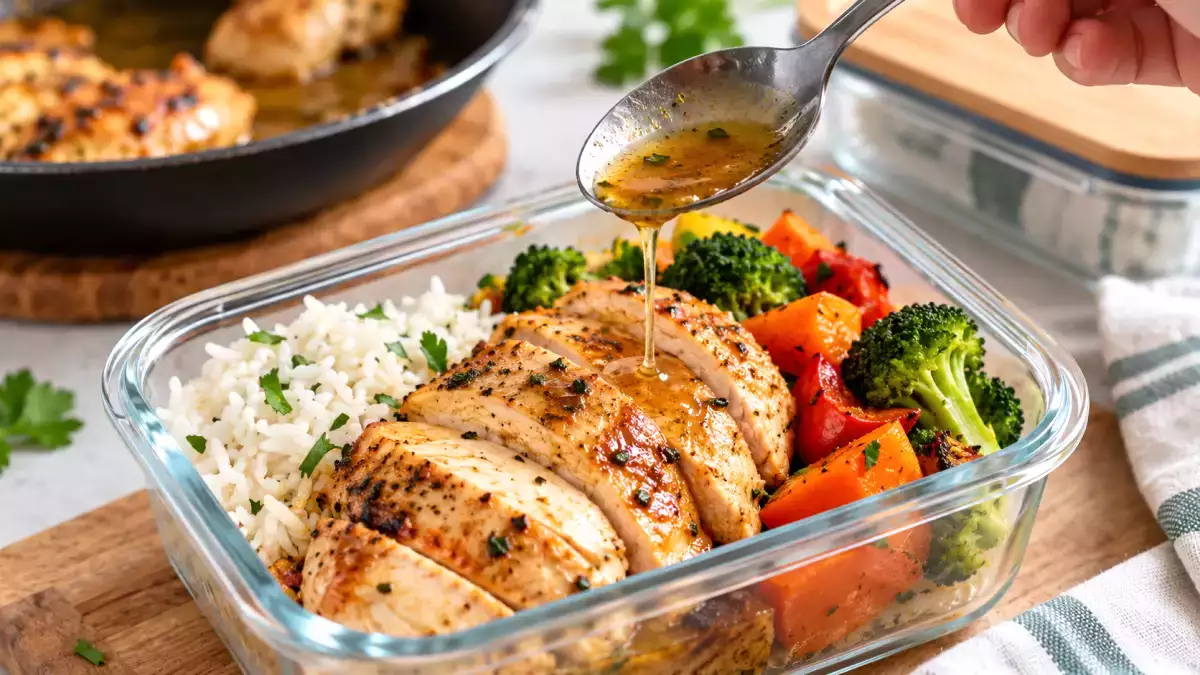
Fortunately, you don't need a special appliance or a complicated marinade to improve tomorrow's lunch. The biggest difference often comes from not overcooking the chicken in the first place, keeping a little of its cooking liquid, and storing and reheating it properly. Here's how to put the one-tablespoon trick to work for grain bowls, sandwiches, salads and warm leftovers.
Why cooked chicken dries out overnight
Chicken breast is lean, so it loses moisture relatively easily when exposed to prolonged heat. As it cooks, proteins tighten and liquid escapes. Refrigeration can't put that lost moisture back; cold chicken may also feel firmer, especially when it has been cut into thin slices or tiny cubes.
Reheating it too long the next day can make the problem worse. That's why the best plan starts during the original cooking—not after the chicken is already tough.
Reheating it too long the next day can make the problem worse. That's why the best plan starts during the original cooking—not after the chicken is already tough.
Cook it safely without cooking it forever
For an even result, use chicken pieces with roughly uniform thickness. If a breast is very thick on one end, gently pound it to even it out. Use a food thermometer rather than relying on color or cooking time alone.
For U.S. kitchens, the USDA recommends cooking all chicken to an internal temperature of 165°F at the thickest point. Once it reaches that safe temperature, stop cooking rather than leaving it on the heat for several extra minutes.
Boneless chicken thighs are another good meal-prep option: their higher fat content often makes them seem juicier after reheating. Don't rinse raw chicken, and keep raw-chicken utensils separate from ready-to-eat foods.
The 1-tablespoon trick: Save the pan juices
Before washing the skillet, set aside about 1 tablespoon of clean cooking juices or unsalted chicken broth for every 3½–4 ounces of cooked chicken. Refrigerate that liquid in a sealed food-safe container with the chicken, or in its own small container.
When you're ready for a hot lunch, pour the liquid over the chicken before reheating. The added moisture helps keep the surface from drying out and can make each bite feel more tender. Start with a tablespoon and add a little more only if necessary; the goal is moist chicken, not soup.
Important: Use juices from fully cooked chicken or fresh broth—never raw poultry drippings or uncooked marinade. And remember that broth helps with the eating experience; it does not reverse severe overcooking.
Try the three-container lunchbox test
Want to see the difference in your own kitchen? Cook about 9–10½ ounces of chicken and divide it evenly among three shallow containers. Chill all three promptly and keep them refrigerated overnight.
Container A: Reheat the chicken without anything added.
Container B: Add 1 tablespoon of clean pan juices or broth just before reheating.
Container C: Reheat plain chicken, then serve it with 1 tablespoon of a separately chilled yogurt-and-lemon sauce.
Reheat each portion thoroughly and compare texture, flavor and perceived juiciness. This is a home experiment, not a guaranteed outcome: your results will depend on the cut and how it was cooked.
How to refrigerate cooked chicken for tomorrow
The most important lunchbox rule is to cool leftovers promptly. Divide big batches into small, shallow containers and refrigerate within 2 hours of cooking—or within 1 hour if the temperature is above 90°F. Keep your refrigerator at 40°F or below.
According to USDA guidance, properly refrigerated cooked chicken can generally be kept for 3–4 days. If you are planning a full workweek of lunches, freeze later-week portions rather than relying on five days of refrigerator storage.
Keep bread, greens and crunchy toppings separate from chicken until the chicken is chilled so the finished lunch doesn't become soggy.
For a cold lunch, pack the sauce separately
Cold cooked chicken works well in rice salads, pita pockets and sandwiches when it has been fully cooked and kept safely chilled. Leave it in reasonably sized bites instead of slicing it paper-thin.
For grain bowls, combine chicken with well-chilled rice or grains, vegetables and a sauce packed separately. For pita or sandwich lunches, pack juicy ingredients such as tomatoes, cucumbers and yogurt dressing in a separate container where practical. Assemble closer to eating time to protect the bread's texture.
A tightly closed lunchbox isn't a refrigerator. Use an insulated bag with frozen ice packs if your destination doesn't offer reliable cold storage. Cooked rice also needs prompt chilling and safe refrigeration.
How to reheat chicken in the microwave without drying it out
Put the chicken in a microwave-safe dish, add 1 tablespoon of broth or reserved pan juices, and cover loosely with a microwave-safe lid that allows steam to vent. Reheat in stages and stir, turn or rearrange the pieces to reduce cold spots.
For food safety, the USDA recommends reheating leftovers to 165°F throughout. Check with a food thermometer, especially for thick pieces. Add cold toppings or a chilled yogurt sauce only after reheating.
Reheat only what you plan to eat. Do not use gentle warming as an excuse to leave chicken lukewarm for a long period.
Six ways to make next-day chicken lunches less boring
1. Chicken-and-rice salad: Combine chilled chicken, cooked rice, zucchini or other vegetables, and a tangy dressing. Store crunchy toppings separately.
2. Chicken gyro pita: Use seasoned cooked chicken with cucumber, red onion and a yogurt-based sauce; assemble the pita at lunchtime.
3. Chicken sandwich with slaw: Add lemon-and-herb chicken, crisp slaw and tomatoes. Use just enough dressing to add moisture without soaking the bread.
4. Butter chicken: Chicken in a tomato-and-spice sauce often reheats more pleasantly than plain grilled breast. Pair it with rice that was cooled and stored safely.
5. One-pot chicken and tomato rice: The rice helps capture the flavorful cooking liquid. Add a small splash of broth when reheating if necessary.
6. Yogurt-lemon chicken skewers: Marinate raw chicken in the refrigerator before cooking. For lunch, remove the cooked pieces from the skewers and serve with a freshly prepared yogurt dip—never leftover raw-chicken marinade.
Five meal-prep mistakes that make chicken tougher
Overcooking: Extra time over the heat removes moisture; use a thermometer.
Discarding all the juices: Save a tablespoon of clean liquid for your warm lunch.
Cutting pieces too small: Tiny pieces can feel drier after reheating.
Microwaving uncovered: A vented cover and a little liquid help retain moisture.
Confusing sauce with food safety: Dressing or marinade doesn't make chicken safe to leave unrefrigerated.
Common questions about chicken meal prep
Can I eat cooked chicken cold the next day?
Yes, if it was cooked to 165°F, refrigerated promptly and kept at 40°F or below until serving.
Would a spoonful of olive oil work instead?
Oil can improve mouthfeel, but it doesn't replace moisture. Clean cooking juices, broth or a separately packed sauce may work better.
How long do leftovers last in the fridge?
USDA guidance is generally 3–4 days at 40°F or below.
Can I prep five chicken lunches on Sunday?
Not as a five-day refrigerator plan. Freeze portions meant for later in the week.
What temperature should reheated chicken reach?
165°F throughout, checked with a food thermometer.
The bottom line: Tomorrow's juicy chicken starts tonight
Dry meal-prep chicken isn't inevitable. Cook it safely without unnecessary extra heat, refrigerate it promptly, and save 1 tablespoon of clean pan juices or broth to add when reheating. For cold lunches, keep a creamy dressing separate until serving.
The trick isn't a miracle cure for overcooked meat. It's a simple habit that can make tomorrow's lunch taste noticeably better while keeping food safety front and center.
The trick isn't a miracle cure for overcooked meat. It's a simple habit that can make tomorrow's lunch taste noticeably better while keeping food safety front and center.
 Christelle Gary
As a fitness enthusiast and vegetarian, I love taking on a challenge: making plant-based meals that are packed with protein—without breaking the bank! My mission at Ptitchef? To prove that legumes can be delicious, creative, and truly irresistible. Chickpeas, lentils, and beans better watch out!
Comments