Fresh or frozen vegetables? What science really says about their nutritional value
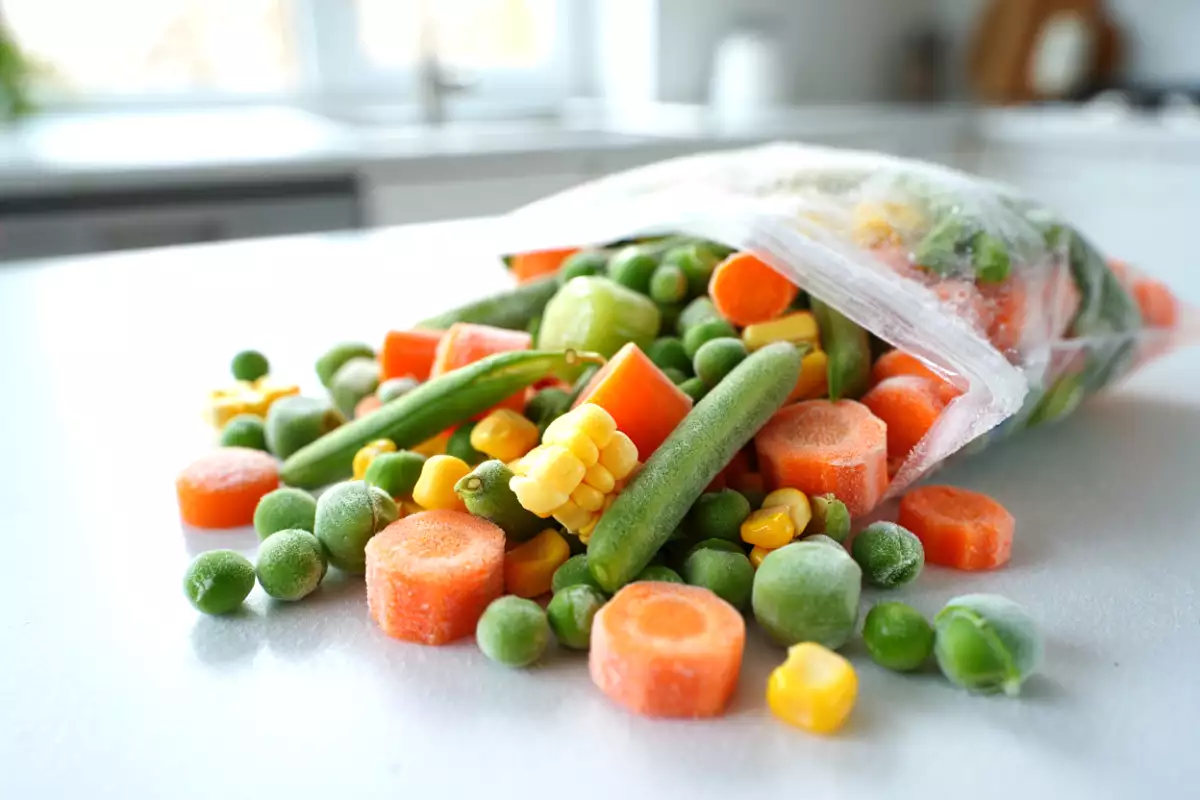
They linger at the bottom of the freezer, often perceived as a stop-gap solution.
And yet, frozen vegetables are by no means "cheap" products. Better still: in some cases, they can be richer in vitamins and minerals than fresh supermarket vegetables. A counter-intuitive idea... but perfectly documented.
Frozen doesn't mean depleted
Contrary to popular belief, deep-freezing does not damage the structure of fruit and vegetables. The cold considerably slows down the degradation of vitamins and minerals, without altering their composition.
In most sectors, vegetables intended for deep-freezing are :
- harvested at optimum maturity,
- prepared and frozen a few hours after picking.
As a result, nutrients are "frozen" at their best levels. Conversely, fresh vegetables sold in stores may have spent several days or even weeks in storage, transport and on the shelf, resulting in a gradual loss of vitamins.
The paradox of the "tired" fresh vegetable
A fresh vegetable lives on after harvesting. It breathes, oxidizes... and gradually loses its vitamins, especially fragile ones such as vitamin C and certain B vitamins.
Between :
- harvesting,
- transportation
- storage,
and then the few days spent in your refrigerator,
vitamin levels can drop drastically. In some cases, it even falls below that of the same vegetable when frozen.
Yes, frozen vegetables lose a few vitamins... but...
Before freezing, vegetables are blanched (in water or steam at 80-100°C) to stop enzymatic activity. This step entails a moderate loss of heat-sensitive vitamins.
On average :
around 15% of vitamin C and vitamin B9 are lost.
After that, however, degradation is virtually halted for months. In the end, the vitamin content often remains higher than that of fresh vegetables consumed several days after purchase.
Prefer frozen vegetables
Some vegetables and fruit do particularly well in frozen form:
- Green beans and peas: richer in vitamin C and B9
- Carrots : higher vitamin A and fiber content
- Raspberries: more concentrated in vitamin C, B9 and fiber
- Apricots: more vitamin C
In other words, the freezer can become a real nutritional ally, especially out of season.
How to preserve vitamins at home
To reap the full benefits of frozen vegetables, follow a few simple rules:
- do not defrost before cooking,
- steam or microwave them,
- avoid long or aggressive cooking times,
- choose raw products, without sauces or additives.
Poor cooking can destroy many more vitamins than freezing itself.
Fresh vegetables still have their advantages
It’s not about banning fresh produce. When vegetables are:
- picked ripe,
- eaten fairly quickly, and
- local and in season,
- they’re hard to beat in both flavor and nutrition.
A French consumer group, 60 Millions de Consommateurs, even found that a few foods tend to be slightly better fresh than frozen, such as:
- button mushrooms
- tomatoes
- pineapples
On top of that, fresh vegetables generally contain fewer pesticide residues on average than their frozen counterparts - another point in their favor when they’re good quality and eaten in time.
The real nutritional champion? The vegetable garden
The only way to get vegetables that are truly full of vitamins is to eat them immediately after harvesting. From garden to plate, without storage or transport. An ideal situation, but rarely accessible.
In real life, alternating fresh and frozen vegetables is often the best strategy for covering your nutritional needs all year round.
Don't feel guilty about your bag of frozen broccoli. Well-chosen and well-cooked, they can be a real addition to your diet, far from the image of the "emergency" vegetable!
 Adèle Peyches
Comments