How to cook orzo perfectly: tips and why this tiny pasta elevates soups, salads & creamy dishes
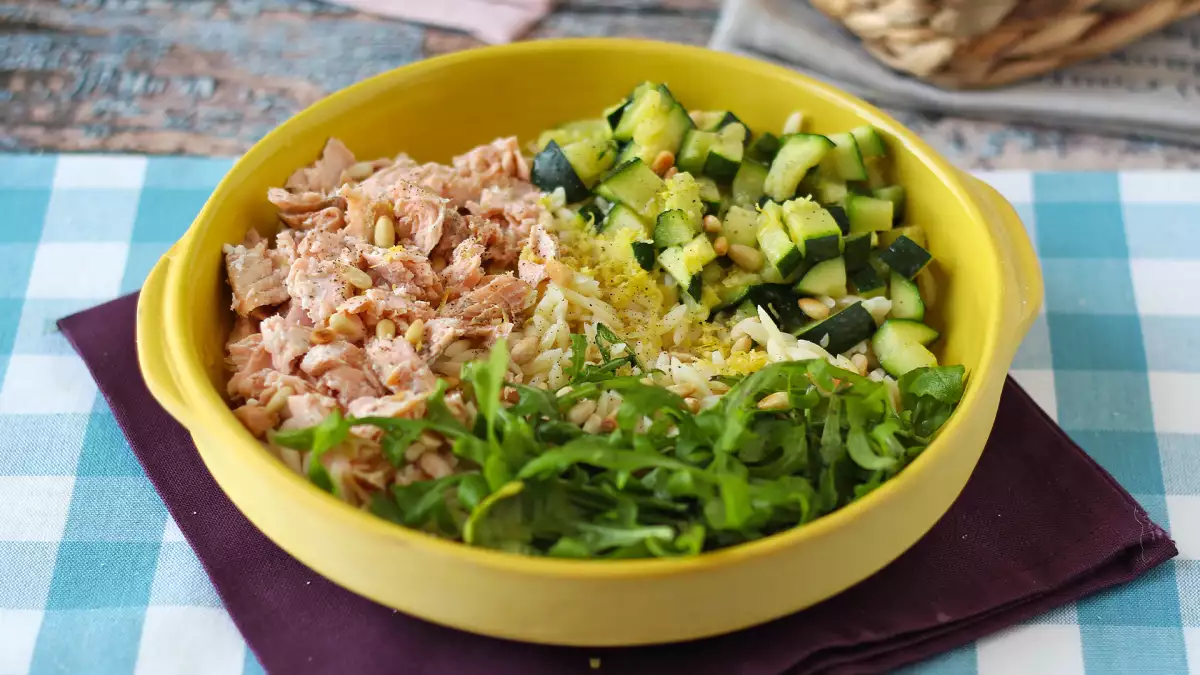
Some ingredients seem to appear everywhere all at once. Orzo is one of them. You spot it in salads, in soups, in warm dishes that look a bit like risotto… and yet, it’s not always clear what it actually is. Is it a grain? A type of rice? Something in between?
The answer is simpler than it looks: orzo is pasta. It’s made from durum wheat semolina, just like macaroni or spaghetti, but shaped like a small grain of rice. That shape is what causes most of the confusion.
In the U.S., you’ll usually find it labeled simply as orzo in the pasta aisle, although some brands describe it as “rice-shaped pasta.” It’s become increasingly popular in recent years, especially as Mediterranean-style cooking has gained traction in everyday home kitchens.
A misleading name for a very flexible ingredient
The word orzo actually means “barley” in Italian (from the Latin hordeum), which adds another layer of confusion. It’s not rice, and it’s not barley, it’s pasta. In Italy, it’s also called risoni (“little rice”), while in Greece it’s known as kritharaki, and in Turkey as arpa şehriye.
Names aside, what really matters is how it behaves in the kitchen. Orzo belongs to that family of small pasta shapes that act almost like a culinary shortcut: it can work like pasta, like a grain, or as a neutral base that soaks up flavor beautifully.
That’s why it shows up so often in Mediterranean and Middle Eastern recipes (soups, stews, and salads) but also in more modern dishes that aim for something a little different without adding complexity.
Why is orzo so popular right now?
Its recent rise isn’t random. Orzo checks a lot of boxes:
- It cooks quickly (usually in 6 to 8 minutes).
- It has a soft texture with a slight bite, more elastic than rice.
- It absorbs broths, sauces, and dressings very well.
- It’s easy to use in everyday cooking, no special techniques required.
In other words, it’s practical. The kind of ingredient that works just as well for a quick weeknight dinner as it does in a more composed dish.
How to cook orzo properly
Orzo is straightforward, but the method you choose changes the result and that’s part of its appeal.
1. Boiled like traditional pasta
The simplest way:
- Cook it in a large pot of salted boiling water.
- Follow package instructions (usually 6–8 minutes).
- Drain, and if using for salad, rinse briefly to cool.
This method works best for cold dishes or as a side.
2. Absorption method (like rice or risotto)
Here, orzo cooks directly in liquid:
- Add broth all at once or gradually, depending on the recipe.
- Let it absorb as it cooks.
The result is creamier and more flavorful, since the pasta takes on the taste of the broth. This is perfect for “risotto-style” dishes.
3. Toasting first for extra flavor
A simple extra step:
- Lightly toast the orzo in a pan with a bit of oil.
- Then add water or broth and cook.
This gives it a deeper, nuttier flavor, similar to certain rice dishes.
Where does orzo work best?
Orzo doesn’t have just one role, and that’s exactly why it’s so useful. It shines in three main types of dishes:
- Soups and broths: A classic use. Its small size adds body without making the dish heavy.
- Salads: One of its most popular uses in the U.S. right now. Mixed with vegetables, proteins, or cheese, it absorbs dressing evenly and holds everything together.
- Warm dishes and one-pan meals: With chicken, seafood, or roasted vegetables, orzo soaks up juices and becomes a flavorful base or side.
Is it the same as rice?
Not quite, even if it looks similar.
Rice is a grain. Orzo is pasta. That means:
- It contains gluten (unless specified otherwise).
- It has a different texture, more elastic and less delicate.
- It behaves differently during cooking.
Orzo handles quick, flavorful preparations better, while rice remains the star in dishes where grain structure matters.
A simple ingredient worth adding to your rotation
What makes orzo interesting is how little effort it requires to start using it. No special skills, no hard-to-find ingredients; it fits naturally into everyday cooking.
It’s essentially a different way to cook pasta without relying on the usual shapes. And it’s an easy way to bring variety to familiar dishes without changing how you cook altogether.
Once you start using it, it tends to stick around.
 Patricia González
Comments