How to spot a spoiled sardine before it's too late: the warning signs you should never ignore
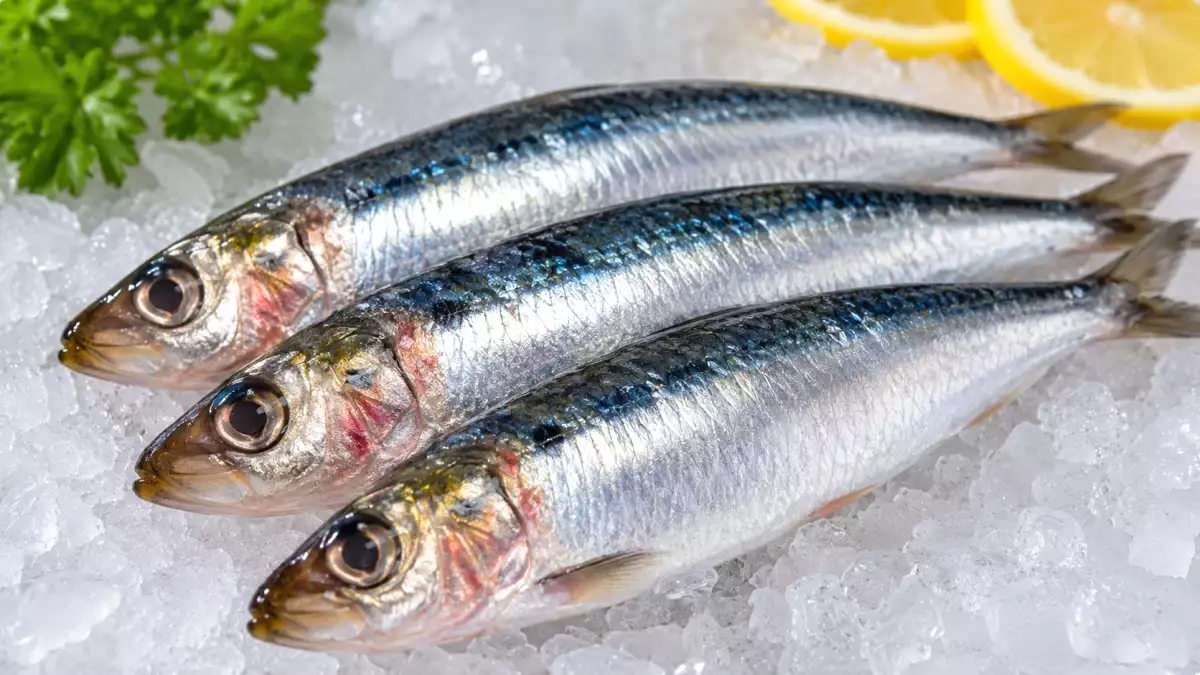
Sardines are one of the most commonly eaten fish in both Portugal and Brazil. Versatile, nutritious, and relatively affordable, they can be grilled, baked, fried, or used in a variety of traditional dishes. However, since they are highly perishable, it’s important to know how to recognize the signs of freshness before buying them.
Certain details regarding their appearance, smell, and texture allow you to quickly tell whether the sardines are still safe to eat or have already begun to spoil.
The eyes should be bright
One of the first things to look at is the eyes.
In a fresh sardine, they are:
- Transparent;
- Shiny;
- Slightly protruding.
If they are dull, sunken, whitish, or dry, the fish has likely lost its freshness.
Gills reveal a lot about the condition of a fish
If you have the chance to look at the gills, check their color.
Ideally, they should be:
- Bright red or pinkish-red;
- Moist;
- Without excessive mucus.
Brown, grayish, or foul-smelling gills indicate that the sardine is no longer in the best condition.
The smell should remind you of the ocean, not a strong fishy smell
Contrary to what many people think, fresh fish does not have a strong smell.
Sardines should have a mild aroma, similar to that of the sea.
Avoid fish that give off:
- A strong fishy smell;
- A smell of ammonia;
- A sour smell;
- A smell similar to fermentation.
These odors are clear signs of spoilage.
The skin should be shiny, and the scales should be firmly attached
The surface of the sardine should have a natural sheen and a moist appearance.
In addition, the scales should remain firmly attached to the body.
Avoid fish that have:
- Dull skin;
- Scales that come off easily;
- Dark spots;
- Dry or very slimy skin.
Take the firmness test
If possible, gently press the belly or back of the sardine.
The flesh should be firm and spring back quickly.
If your finger leaves a deep indentation or if the fish is too soft, it means it has lost its freshness.
Pay Attention to Your Stomach
The sardine's belly should be intact.
If it is burst, very swollen, or has opened on its own, this is a sign that the fish has already begun to decompose.
This is one of the most important factors considered in both Portuguese markets and Brazilian fishmongers.
After cleaning, examine the meat
Even if the sardine looks good on the outside, it's a good idea to check the meat before cooking.
Do not eat the sardine if it has:
- A brownish or grayish color;
- Very soft flesh;
- Dark liquid;
- An unpleasant odor;
- Thick mucus;
- Any signs of mold.
How to Store Properly
In Portugal and Brazil, the recommendation is similar: sardines should always be kept refrigerated between 0 °C and 4 °C and consumed preferably on the day of purchase or, at the latest, within one or two days.
If they are not used within that time frame, it is best to freeze them as soon as possible.
Once thawed, they should not be refrozen, as this increases the risk of microorganism growth and compromises food quality.
It's worth taking a few seconds to choose
Choosing a fresh sardine is easier than it seems. Bright eyes, red gills, shiny skin, firm flesh, and a mild smell are the main indicators of quality.
On the other hand, cloudy eyes, a strong odor, a mushy texture, a ruptured belly, and excessive slime are signs that the fish is no longer in good condition and should be avoided.
In Portugal, where the sardine is a symbol of gastronomy (especially during the Santos Populares festivals) and in Brazil, where it is also a staple in the diets of millions of people, knowing these signs helps ensure safer, tastier, and higher-quality meals.
 Mirella Mendonça
Comments