Miso explained: origins, tasting notes, everyday uses, and easy home recipes to make tonight
Monday 24 August 2026 10:00 - Vincent Sabourdy
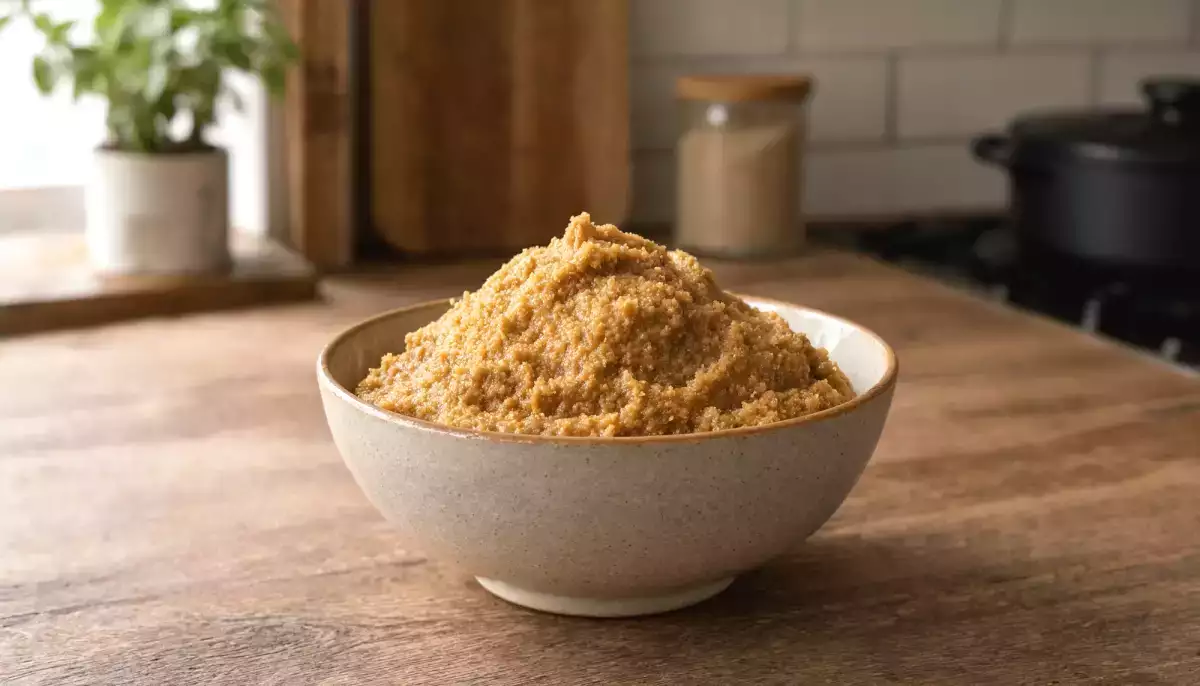
The paste is much more than just a base for miso soup: it’s also great for marinades, dressings, sauces, roasted vegetables, and pasta. Careful portioning and timing during cooking are key. This article explains how miso is made, the differences between light and dark miso, and practical tips on salt content, portion sizes, and storage.
What is miso, and how is it made?
Miso is a fermented paste typically made from soybeans, salt, and koji. Koji refers to grain inoculated with the mold Aspergillus oryzae or a corresponding culture medium. Rice or barley are frequently used for this purpose.
During production, the prepared ingredients are mixed together and then fermented for a specific period of time. This maturation process develops the characteristic savory flavor, complex aromas, and the typical umami taste. Depending on the ingredients, amount of salt, temperature, and aging time, miso can taste mild and slightly sweet or dark, robust, and intense.
The names and colors are not entirely standardized across all manufacturers. Therefore, in addition to the variety name, it’s always worth checking the ingredient list and flavor description.
During production, the prepared ingredients are mixed together and then fermented for a specific period of time. This maturation process develops the characteristic savory flavor, complex aromas, and the typical umami taste. Depending on the ingredients, amount of salt, temperature, and aging time, miso can taste mild and slightly sweet or dark, robust, and intense.
The names and colors are not entirely standardized across all manufacturers. Therefore, in addition to the variety name, it’s always worth checking the ingredient list and flavor description.
What does miso taste like?
Miso has a salty, savory, and umami-rich flavor. Lighter varieties may also have a subtle sweetness and a mild grainy aroma. Paste that has been aged longer or darker varieties often have a stronger, earthier flavor and sometimes a slightly malty note.
In a dish, miso should not be viewed merely as a substitute for salt. It also adds depth, fermented flavors, and a richer taste profile. It pairs well with ingredients such as ginger, garlic, sesame, scallions, mushrooms, tofu, pumpkin, eggplant, and citrus fruits.
In a dish, miso should not be viewed merely as a substitute for salt. It also adds depth, fermented flavors, and a richer taste profile. It pairs well with ingredients such as ginger, garlic, sesame, scallions, mushrooms, tofu, pumpkin, eggplant, and citrus fruits.
White, red, and dark miso: the differences
White miso, often referred to as shiro miso, is generally lighter in color, milder, and slightly sweeter. It is particularly well-suited for delicate soups, light sauces, dressings, glazes, and dishes where the miso flavor should not be overpowering.
Red miso, often called aka miso, is generally aged longer and has a stronger, saltier, and more pronounced flavor. It pairs well with mushrooms, legumes, hearty soups, marinades, and braised dishes.
Dark miso is not a category with a universally defined standard. It generally refers to intensely aged, brown to very dark pastes with a distinctive aroma. They should be used very sparingly and are suitable for robust sauces, glazes, and hearty dishes.
As a rule of thumb: The darker and longer the miso has been aged, the more intense its flavor tends to be. However, variations are possible because the recipe and production methods vary depending on the product.
Red miso, often called aka miso, is generally aged longer and has a stronger, saltier, and more pronounced flavor. It pairs well with mushrooms, legumes, hearty soups, marinades, and braised dishes.
Dark miso is not a category with a universally defined standard. It generally refers to intensely aged, brown to very dark pastes with a distinctive aroma. They should be used very sparingly and are suitable for robust sauces, glazes, and hearty dishes.
As a rule of thumb: The darker and longer the miso has been aged, the more intense its flavor tends to be. However, variations are possible because the recipe and production methods vary depending on the product.
Measuring out the right amount of miso
Miso should be added gradually, as its salt content and intensity vary greatly depending on the product. For a soup, sauce, or marinade, you can start with about one teaspoon per serving, taste it, and add a little more if needed.
Light miso can often be used a bit more generously than strong red or dark miso. If you’re also using soy sauce, broth, cheese, or another salty ingredient, you should reduce the amount of miso accordingly.
The easiest way to incorporate the paste is to first stir it with a little warm liquid until smooth. This prevents lumps from forming and ensures the flavor is distributed evenly.
Light miso can often be used a bit more generously than strong red or dark miso. If you’re also using soy sauce, broth, cheese, or another salty ingredient, you should reduce the amount of miso accordingly.
The easiest way to incorporate the paste is to first stir it with a little warm liquid until smooth. This prevents lumps from forming and ensures the flavor is distributed evenly.
When should you add miso to a dish?
Miso is best added toward the end of cooking. For soups or sauces, first remove some liquid from the pot, mix it with the paste in a bowl, and then return the mixture to the pot.
After that, the dish should only be gently reheated. For marinades or cold sauces, miso can be mixed directly with the other ingredients. For oven-baked dishes, it’s a good idea to mix the paste with oil, water, juice, or another liquid to create a glaze that spreads easily.
After that, the dish should only be gently reheated. For marinades or cold sauces, miso can be mixed directly with the other ingredients. For oven-baked dishes, it’s a good idea to mix the paste with oil, water, juice, or another liquid to create a glaze that spreads easily.
Why shouldn't you cook miso for too long?
Long, vigorous cooking can diminish the delicate flavors of miso and make the taste seem flat or unpleasantly salty. For a well-balanced result, it’s usually enough to stir in the paste at the end and then heat the dish only briefly.
This is primarily a culinary recommendation: The goal is to preserve the aroma, depth, and characteristic flavor as much as possible. Whether a product is pasteurized or contains live cultures can only be determined based on the manufacturer’s information and should not be linked to general health claims.
This is primarily a culinary recommendation: The goal is to preserve the aroma, depth, and characteristic flavor as much as possible. Whether a product is pasteurized or contains live cultures can only be determined based on the manufacturer’s information and should not be linked to general health claims.
How to make miso soup the easy way
Miso soup is one of the most well-known ways to use miso paste. Dashi or a mild vegetable broth works well as a base. Tofu, wakame, mushrooms, scallions, edamame, pumpkin, or other vegetables can be added according to taste.
First, cook the ingredients in the broth. Only then should you stir the miso with a little warm liquid until smooth and add it to the soup once it has stopped boiling vigorously. This ensures the flavor remains well-rounded and aromatic.
First, cook the ingredients in the broth. Only then should you stir the miso with a little warm liquid until smooth and add it to the soup once it has stopped boiling vigorously. This ensures the flavor remains well-rounded and aromatic.
Miso for marinades and glazes
Miso is excellent for marinades because it provides flavor, salt, and umami all at once. A simple mixture can consist of miso, a little oil, rice vinegar or lemon juice, ginger, and a small amount of something sweet.
This marinade pairs well with tofu, mushrooms, eggplant, squash, fish, or poultry. If using very salty miso, do not add any additional salt. Glazes containing sugar or honey can brown quickly in the oven; therefore, keep an eye on the food as it cooks and, if necessary, brush the glaze on only toward the end of cooking.
This marinade pairs well with tofu, mushrooms, eggplant, squash, fish, or poultry. If using very salty miso, do not add any additional salt. Glazes containing sugar or honey can brown quickly in the oven; therefore, keep an eye on the food as it cooks and, if necessary, brush the glaze on only toward the end of cooking.
Sauces and dressings with miso
To make a quick miso sauce, mix the paste with water, broth, sesame oil, rice vinegar, lemon juice, or tahini. Depending on the desired consistency, you can add more liquid.
For a creamy dressing, miso, yogurt (or a plant-based alternative), citrus juice, and a little oil go well together. A richer sauce can be made with garlic, ginger, and toasted sesame seeds. It’s important here, too, to start with just a little miso and taste it before adding more salt.
For a creamy dressing, miso, yogurt (or a plant-based alternative), citrus juice, and a little oil go well together. A richer sauce can be made with garlic, ginger, and toasted sesame seeds. It’s important here, too, to start with just a little miso and taste it before adding more salt.
Roasted vegetables with miso
Miso gives roasted vegetables a savory glaze. Pumpkin, carrots, sweet potatoes, cauliflower, Brussels sprouts, eggplant, and mushrooms work especially well.
To make the glaze, stir the miso with a little oil and water until smooth. Optionally, add ginger, garlic, sesame seeds, or a splash of maple syrup. Lightly brush the vegetables with the mixture before roasting. For sweet glazes, it’s best to apply part of the mixture only in the last few minutes to prevent the surface from burning.
To make the glaze, stir the miso with a little oil and water until smooth. Optionally, add ginger, garlic, sesame seeds, or a splash of maple syrup. Lightly brush the vegetables with the mixture before roasting. For sweet glazes, it’s best to apply part of the mixture only in the last few minutes to prevent the surface from burning.
Miso in pasta and noodle dishes
Miso can add depth to pasta sauces without making the dish taste distinctly Japanese. The paste works especially well when combined with butter, olive oil, mushrooms, cream, plant-based cooking cream, or pasta water.
First, remove the pan from high heat. Then stir the miso into a little pasta water and mix it into the sauce. Since both miso and cheese can be salty, use Parmesan or other savory ingredients sparingly.
You can also make a quick sauce for Asian noodles using miso, sesame, rice vinegar, ginger, and a little cooking water.
First, remove the pan from high heat. Then stir the miso into a little pasta water and mix it into the sauce. Since both miso and cheese can be salty, use Parmesan or other savory ingredients sparingly.
You can also make a quick sauce for Asian noodles using miso, sesame, rice vinegar, ginger, and a little cooking water.
Storing miso after opening
Once opened, miso should be stored in the refrigerator. The package or jar should be sealed tightly to prevent the paste from drying out or absorbing foreign odors.
Always use a clean spoon that is as dry as possible. The paste may darken slightly over time, but this isn’t necessarily a sign of spoilage. However, if you notice an unusual odor, unusual discoloration, or visible mold, the product should be discarded.
The best-by date and the manufacturer’s instructions are the definitive guidelines for shelf life.
Always use a clean spoon that is as dry as possible. The paste may darken slightly over time, but this isn’t necessarily a sign of spoilage. However, if you notice an unusual odor, unusual discoloration, or visible mold, the product should be discarded.
The best-by date and the manufacturer’s instructions are the definitive guidelines for shelf life.
Salt content and recommended serving size
Miso contains a relatively high amount of salt, although the levels can vary significantly depending on the variety and manufacturer. For this reason, the paste should be used as a concentrated seasoning rather than as a main ingredient.
For many dishes, about one teaspoon per person is a good starting point. Adjust to taste afterward. Those who want to watch their salt intake should compare the nutritional information of different products and reduce other salty ingredients such as soy sauce, broth, or cheese.
Even a small amount of miso can add a lot of flavor. General claims that miso can cure certain ailments or fundamentally improve gut health are not appropriate for a culinary article. The overall dish, portion size, and individual diet are the key factors.
For many dishes, about one teaspoon per person is a good starting point. Adjust to taste afterward. Those who want to watch their salt intake should compare the nutritional information of different products and reduce other salty ingredients such as soy sauce, broth, or cheese.
Even a small amount of miso can add a lot of flavor. General claims that miso can cure certain ailments or fundamentally improve gut health are not appropriate for a culinary article. The overall dish, portion size, and individual diet are the key factors.
Frequently asked questions about miso
Can you substitute light miso for red miso?
Generally speaking, yes, but you should adjust the amount. Red or dark miso is usually stronger, so you should start by using less of it.
Is miso always vegan?
The pure paste often consists solely of plant-based ingredients. However, ready-made soups, sauces, or blended products may contain animal-derived ingredients. Be sure to check the ingredient list.
Can miso be used raw?
Yes. It’s suitable for dressings, dips, and cold sauces. Because of its intense and salty flavor, it should be mixed well with other ingredients.
What flavors pair well with miso?
Mushrooms, tofu, sesame, ginger, garlic, scallions, pumpkin, eggplant, pasta, and citrus fruits pair particularly well.
Generally speaking, yes, but you should adjust the amount. Red or dark miso is usually stronger, so you should start by using less of it.
Is miso always vegan?
The pure paste often consists solely of plant-based ingredients. However, ready-made soups, sauces, or blended products may contain animal-derived ingredients. Be sure to check the ingredient list.
Can miso be used raw?
Yes. It’s suitable for dressings, dips, and cold sauces. Because of its intense and salty flavor, it should be mixed well with other ingredients.
What flavors pair well with miso?
Mushrooms, tofu, sesame, ginger, garlic, scallions, pumpkin, eggplant, pasta, and citrus fruits pair particularly well.
 Vincent Sabourdy
Co-founder and publishing director of Petitchef, I am above all passionate about cooking and the internet.
I make the best crêpes on the street.
I love accessible recipes, practical advice, and culinary news.
My goal: to offer the best possible culinary website to make cooking a pleasant and shared experience.
I make the best crêpes on the street.
I love accessible recipes, practical advice, and culinary news.
My goal: to offer the best possible culinary website to make cooking a pleasant and shared experience.
Comments