Niwali Tejocote recall: what to check before using this supplement
Tuesday 22 September 2026 11:00 - Juliette Hess
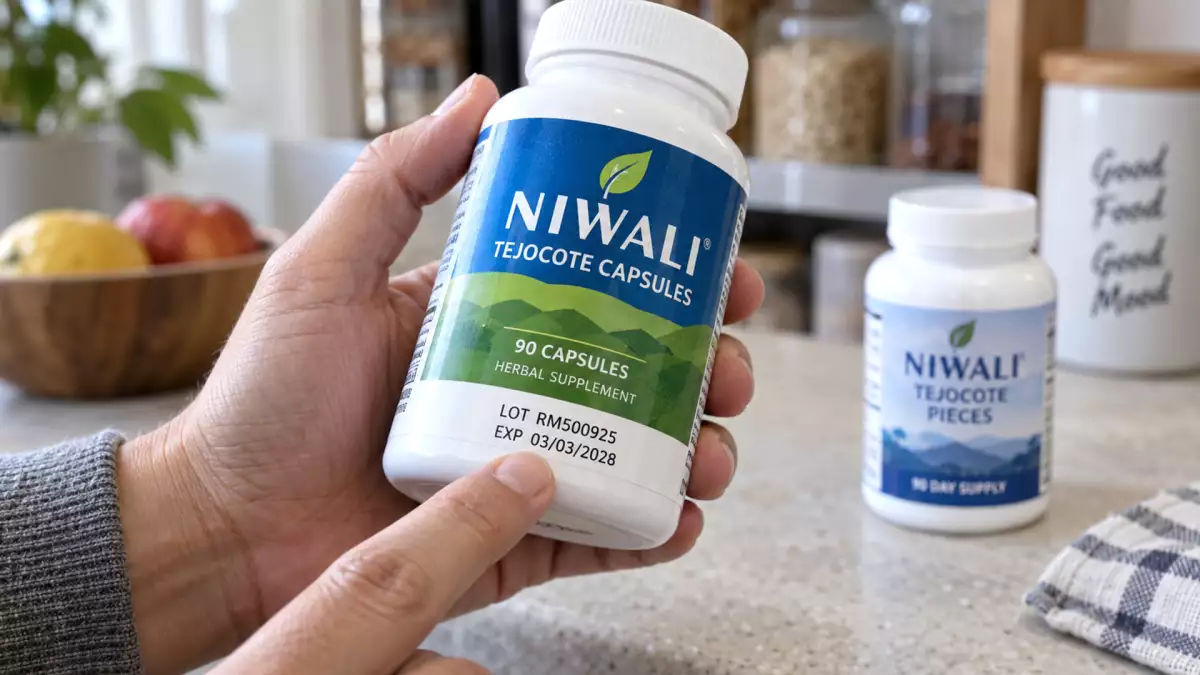
The latest Niwali tejocote recall is a reminder that products marketed as herbal or plant-based still need careful attention. According to the FDA-posted company announcement, the recalled items are Niwali Tejocote Capsules and Niwali Tejocote Pieces. Laboratory results indicated that products labeled as tejocote appeared to be Thevetia peruviana, commonly known as yellow oleander.
That matters because yellow oleander is not a harmless botanical ingredient. The announcement states that all parts of the plant contain cardiac glycosides, compounds that can be highly toxic to humans and animals. For consumers, the most important message is simple: do not use the recalled products, check the product details carefully, and contact a healthcare provider if the product has been consumed and there are health concerns.
Which Niwali products are included in the recall?
The recall concerns two Niwali-branded herbal supplement products: Niwali Tejocote Capsules and Niwali Tejocote Pieces.
The capsules are described as a 90-count herbal supplement sold in a white plastic bottle with a white screw cap and a blue and green label. The listed lot or batch code is RM500925, with a best-by or expiration date of 03/03/2028.
The pieces are described as a 90-day supply herbal supplement with a blue and white wrap-around label. The listed UPC is 1 99284 23789 6, the lot or batch code is RM400925, and the best-by or expiration date is 03/03/2028.
Both products were sold online through eBay.com and Everymarket.com. The company announcement says a total of five units were sold: two units of capsules and three units of pieces.
The capsules are described as a 90-count herbal supplement sold in a white plastic bottle with a white screw cap and a blue and green label. The listed lot or batch code is RM500925, with a best-by or expiration date of 03/03/2028.
The pieces are described as a 90-day supply herbal supplement with a blue and white wrap-around label. The listed UPC is 1 99284 23789 6, the lot or batch code is RM400925, and the best-by or expiration date is 03/03/2028.
Both products were sold online through eBay.com and Everymarket.com. The company announcement says a total of five units were sold: two units of capsules and three units of pieces.
Why yellow oleander is a serious concern
The key issue is not simply a labeling mistake. According to the FDA-posted announcement, analysis found that the products labeled as tejocote appeared to be yellow oleander.
Yellow oleander contains cardiac glycosides, which can affect the heart and other body systems. The announcement warns that ingestion may cause severe or even fatal neurologic, gastrointestinal, and cardiovascular adverse health effects.
Reported symptoms linked to yellow oleander exposure may include nausea, vomiting, dizziness, diarrhea, abdominal pain, changes in heart rhythm, and arrhythmia. Because these symptoms can be serious, consumers should treat the recall notice as urgent and avoid consuming any remaining product.
Yellow oleander contains cardiac glycosides, which can affect the heart and other body systems. The announcement warns that ingestion may cause severe or even fatal neurologic, gastrointestinal, and cardiovascular adverse health effects.
Reported symptoms linked to yellow oleander exposure may include nausea, vomiting, dizziness, diarrhea, abdominal pain, changes in heart rhythm, and arrhythmia. Because these symptoms can be serious, consumers should treat the recall notice as urgent and avoid consuming any remaining product.
How the problem was discovered
The company announcement states that the recall began after the FDA advised Global Mix Inc. of laboratory results from two samples collected by the agency on June 19, 2026.
Those results showed that the products labeled as tejocote were in fact toxic yellow oleander. After receiving that information, the company said it ceased distribution, removed the product listings from sale, and began a voluntary recall while investigating the issue.
The recall announcement was dated and published on September 21, 2026. No illnesses or adverse events had been reported to the company at the time of the announcement.
Those results showed that the products labeled as tejocote were in fact toxic yellow oleander. After receiving that information, the company said it ceased distribution, removed the product listings from sale, and began a voluntary recall while investigating the issue.
The recall announcement was dated and published on September 21, 2026. No illnesses or adverse events had been reported to the company at the time of the announcement.
What consumers should do now
Consumers who purchased Niwali Tejocote Capsules or Niwali Tejocote Pieces should stop using them immediately. The company announcement specifically says consumers should not consume any remaining product.
People who still have the product can return it to the place of purchase for a full refund, or contact Global Mix Inc. customer service to arrange a refund. The listed customer service number is (646) 419-5884, available Monday to Friday from 9:00 a.m. to 5:00 p.m. Eastern Time. Consumers may also contact the company by email at [email protected].
Anyone who has consumed the product and has health concerns should contact a healthcare provider. Adverse reactions or quality problems may also be reported to the FDA’s MedWatch Adverse Event Reporting program.
People who still have the product can return it to the place of purchase for a full refund, or contact Global Mix Inc. customer service to arrange a refund. The listed customer service number is (646) 419-5884, available Monday to Friday from 9:00 a.m. to 5:00 p.m. Eastern Time. Consumers may also contact the company by email at [email protected].
Anyone who has consumed the product and has health concerns should contact a healthcare provider. Adverse reactions or quality problems may also be reported to the FDA’s MedWatch Adverse Event Reporting program.
The takeaway for supplement shoppers
This recall is a strong reminder that dietary supplements are not risk-free, even when they appear to be simple herbal products. Online purchases can be especially difficult to trace, and the announcement notes that the seller could not identify or notify every purchaser individually because the products were sold through online marketplaces.
For consumers, the practical habit is to keep supplement bottles until they are finished, check brand names, lot codes, expiration dates, and where the product was purchased whenever a recall is announced. When a product is linked to a potentially toxic plant, the safest response is not to test, taste, or continue using it. The safest response is to stop immediately and follow the recall instructions.
For consumers, the practical habit is to keep supplement bottles until they are finished, check brand names, lot codes, expiration dates, and where the product was purchased whenever a recall is announced. When a product is linked to a potentially toxic plant, the safest response is not to test, taste, or continue using it. The safest response is to stop immediately and follow the recall instructions.
 Juliette Hess
I have been creating culinary content for Petitchef since 2017.
I love travelling and discovering new dishes, trying out new food trends and exploring new restaurants.
I’m a huge fan of pasta and noodles in all their forms ❤ from udon noodles to tagliatelle, I love cooking them and even making them from scratch!
I’m currently preparing, filming and photographing your next recipe, and I hope you’ll enjoy it!
I love travelling and discovering new dishes, trying out new food trends and exploring new restaurants.
I’m a huge fan of pasta and noodles in all their forms ❤ from udon noodles to tagliatelle, I love cooking them and even making them from scratch!
I’m currently preparing, filming and photographing your next recipe, and I hope you’ll enjoy it!
Comments