No basil for pesto? This walnut sauce will save your pasta
Monday 2 November 2026 15:30 - Christelle Gary
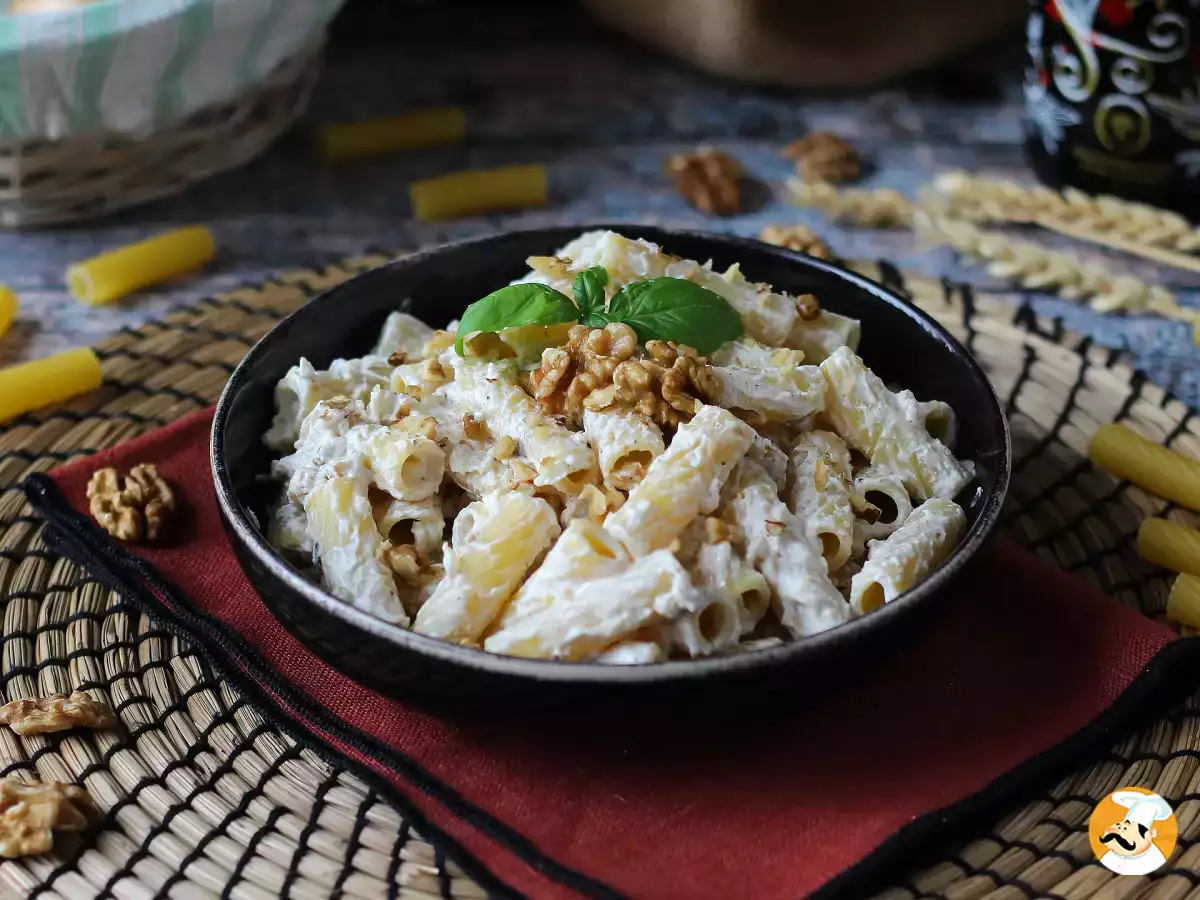
The result doesn’t taste like green Pesto alla Genovese. Instead, you’ll get a nutty, savory pasta sauce that comes together with Parmesan, a little garlic, olive oil, and hot pasta water. How much water should you use? How do you prevent bitterness? And how do you fix a mixture that’s too thick or too thin? Here are the quantities, steps, and matching Ptitchef recipe ideas.
Without basil, it's not pesto alla genovese, but it's still delicious
In classic Pesto alla Genovese, basil provides the characteristic fresh aroma. Pine nuts, hard cheese, garlic, and olive oil serve other purposes: they add texture, flavor, and fat. Walnuts can replace pine nuts, but they can’t replicate the basil aroma.
If you don’t have the herbs on hand, it’s worth considering an alternative: Don’t try to make a makeshift version of the green original—instead, create a unique walnut sauce of your own. It has a light beige color, tastes mildly nutty to slightly tart, and coats pasta particularly well when stirred until smooth with a little pasta water.
Italian cuisine already has a traditional walnut sauce in the Ligurian “salsa di noci.” Our quick, pantry-friendly version is inspired by it, but isn’t identical to every traditional preparation.
Quick walnut sauce: serves two
For about 180 to 200 g of dry pasta, start with 40 g of walnut kernels, 25 g of finely grated Parmesan, half a small clove of garlic, and two tablespoons of olive oil. Add four tablespoons of hot pasta water, a little pepper, and salt as needed. Have more pasta water on hand.
These amounts are a handy starting point, not a strict formula. Very dry walnuts or particularly finely ground kernels may require more liquid. If you prefer a fresher flavor, add a few drops of lemon juice. The sauce itself comes together quickly; of course, you’ll need to factor in the pasta’s cooking time.
For the quick version, use walnuts that are as fresh as possible , shelled, and free of any rancid odor. Walnuts that are very bitter or have an unpleasant odor won’t make a good sauce.
Step by step: how to combine nuts, oil, and cheese
1. Chop the nuts: Briefly chop the walnut kernels together with the garlic in a small food processor until finely chopped. Do not let it run for several minutes, or you may end up with a very dense nut paste.
2. Add the seasonings: Add the grated cheese and olive oil. Mix briefly until a coarse paste forms.
3. Stir until creamy: First, gradually stir in the four tablespoons of reserved pasta water. The paste should transform into a smooth sauce. Add any additional water only one tablespoon at a time.
4. Combine with the pasta: Drain the pasta, reserving a little of the cooking water, and fold the sauce into the pasta over no heat or very low heat. Season to taste and serve immediately.
Why pasta water works better than adding more and more olive oil
When cooking, pasta releases some starch into the water. This slightly cloudy cooking water helps distribute the thick nut-and-cheese mixture and make it cling to the pasta. Most importantly, it prevents the sauce from turning into a thick paste.
More oil isn’t automatically better: If the sauce already looks very greasy, adding more olive oil may make the texture even heavier. Instead, start with a small amount of warm pasta water and stir thoroughly.
Boiling-hot water is unsuitable for blending in a closed blender due to steam pressure. Blend the solid ingredients first, then stir in the hot pasta water in an open bowl.
Too thick, too thin, or too oily? Here's how to fix the sauce
The sauce is too thick: Add one teaspoon to one tablespoon of warm pasta water, stir in carefully, and check again. Do not pour in all the liquid at once.
It’s too thin: Stir in a little more finely ground walnut or a little grated cheese. Let it sit briefly so the ingredients can blend. Be careful when adding more salt: The cheese already adds flavor.
It looks oily or is separating: Remove the mixture from the heat and first stir in a small sip of warm pasta water vigorously. If necessary, gradually incorporate the remaining sauce into this mixture.
It tastes bland: A little salt, pepper, or a few drops of lemon juice often help more than adding another clove of garlic.
Walnuts taste bitter: what can be done and when should they be discarded?
Walnuts naturally have a slightly bitter taste. The thin skins, in particular, can contribute to this. If the nuts are fresh, gently toasting them briefly in a dry pan can alter their flavor. Let them cool completely before chopping them.
To counter an overly dominant bitter taste, try using less garlic, a milder cheese, and a few drops of lemon juice. Taste as you go, rather than adding everything at once.
Important: Do not use walnuts that smell or taste rancid, musty, or otherwise clearly unpleasant. Spoiled walnuts cannot be salvaged with oil or Parmesan.
Italian inspiration: what exactly is "salsa di noci"?
In Liguria, in addition to green basil pesto, there is “salsa di noci,” a traditional walnut sauce that is often served with stuffed pasta such as pansoti. Many traditional versions include not only walnuts, garlic, oil, and cheese, but also bread soaked in milk and, occasionally, marjoram.
The bread helps create a particularly smooth, thick consistency. This method of preparation differs from our quick mixture of nuts, cheese, oil, and pasta water. Both can be delicious, but the quick pantry solution shouldn’t be passed off as an unaltered Ligurian original.
One common principle remains: the sauce doesn’t need to simmer vigorously. It’s enough to toss it with the warm pasta.
Walnuts and ricotta: Petitchef's creamy pasta idea
Our quick walnut sauce above can be made using ingredients you probably already have on hand. If you’re looking for a suitable original recipe from Ptitchef, the combination of ricotta and walnuts is a particularly good next step. In this version, a little onion and nutmeg also add flavor.
This is a separate pasta recipe and not exactly the quick sauce from the instructions. Nevertheless, the same cooking rule applies: a little pasta water makes the ricotta cream smoother. If it becomes too thick after mixing, add the liquid a little at a time and stir carefully.
This is a separate pasta recipe and not exactly the quick sauce from the instructions. Nevertheless, the same cooking rule applies: a little pasta water makes the ricotta cream smoother. If it becomes too thick after mixing, add the liquid a little at a time and stir carefully.
Pasta with ricotta and walnuts: creamy and crunchy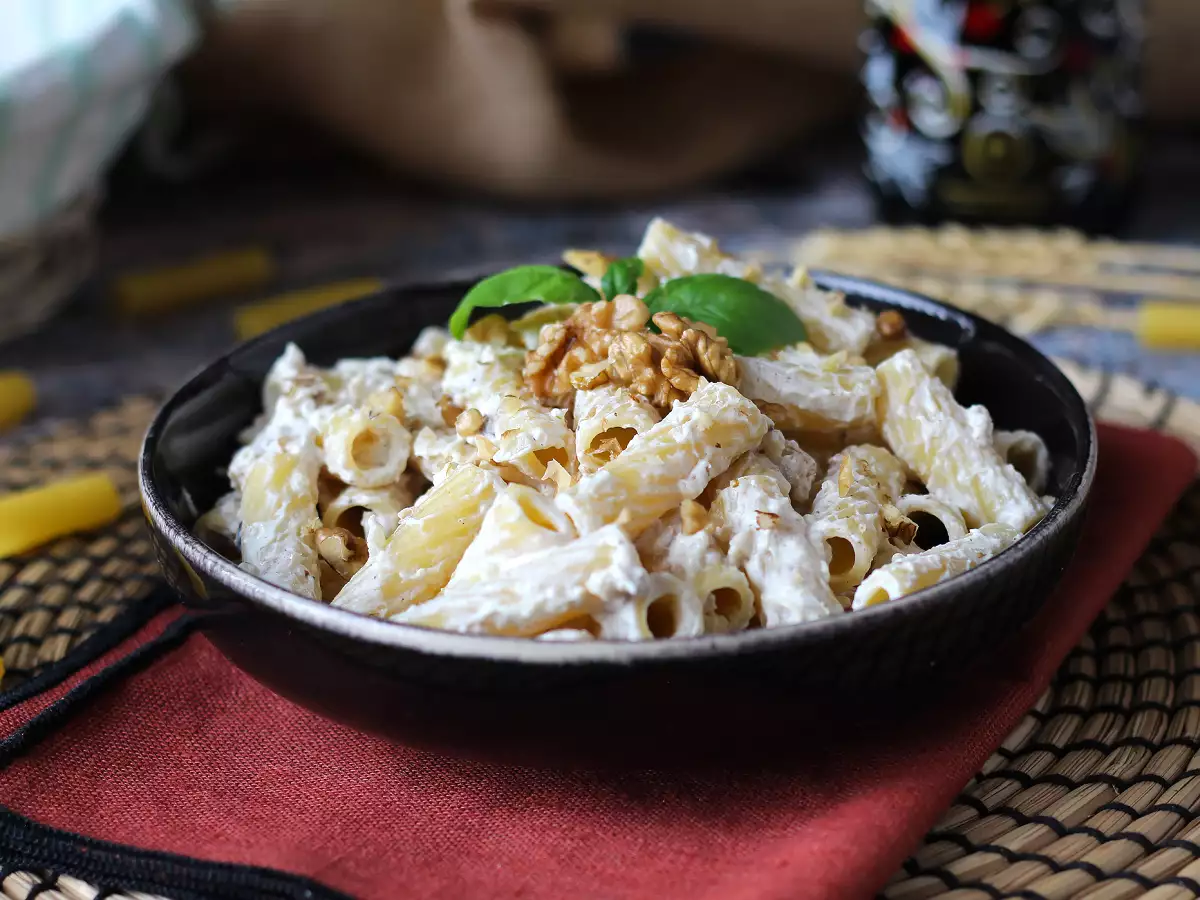
A timeless classic, pasta with ricotta and walnuts is a first course that, in its simplicity, offers surprising versatility . The creaminess of ricotta meets the crunchiness of walnuts, creating an irresistible contrast of textures . The delicate...
Out of walnuts? You can also make pesto with parsley
The next alternative solves a slightly different kitchen problem: you’re out of basil, but you still have fresh parsley. In that case, you can make a green seasoning sauce with parsley, roasted peanuts, hard cheese, olive oil, and garlic.
This combination is deliberately not a walnut pesto, but a unique, aromatic variation. The Ptitchef recipe demonstrates how interchangeable some of the key ingredients in the pesto formula are—as long as you don’t claim the result tastes exactly like the Ligurian original.
This combination is deliberately not a walnut pesto, but a unique, aromatic variation. The Ptitchef recipe demonstrates how interchangeable some of the key ingredients in the pesto formula are—as long as you don’t claim the result tastes exactly like the Ligurian original.
Parsley and peanut pesto, an explosion of flavors
Among the original sauces for pasta ... Meet parsley and peanut pesto ! You don't have to use basil to make a delicious pesto with super-fresh flavors that are a change from traditional pesto , in which crunchy peanuts replace the pine nuts! This...
For a green color without basil: arugula as an alternative
If you’re mainly missing that fresh green color, arugula is a good alternative to basil. It does, however, have a much peppier flavor and can be slightly bitter at times. This Ptitchef sauce combines arugula with pine nuts, Parmesan, garlic, and olive oil.
Important to note: This sauce is not a substitute for the walnut mixture from the main tip. Rather, it offers a second option: nutty and creamy with walnuts, or herb-infused and green with arugula. If you’d like to try both, you can compare them using two small portions of pasta.
Important to note: This sauce is not a substitute for the walnut mixture from the main tip. Rather, it offers a second option: nutty and creamy with walnuts, or herb-infused and green with arugula. If you’d like to try both, you can compare them using two small portions of pasta.
Fresh and creamy arugula pesto in 5 minutes
The first time I tasted arugula pesto was by accident. I was convinced it was the classic Genovese pesto , but from the first taste I was struck by its slightly bitter, fresh flavor —different and surprising. Since then, it has become one of my...
Walnuts with vegetables: another pasta idea without basil
Another Ptitchef variation combines red cabbage, pasta, and chopped walnuts. Some of the cooked cabbage is pureed to create a strikingly purple, creamy sauce; the walnuts are added for a crunchy contrast.
This isn’t a walnut sauce in the strict sense, but rather an example of how nuts can enhance a pasta dish without even needing basil. Especially in the fall and winter, this combination offers a nice change from classic green pesto.
This isn’t a walnut sauce in the strict sense, but rather an example of how nuts can enhance a pasta dish without even needing basil. Especially in the fall and winter, this combination offers a nice change from classic green pesto.
What kind of pasta goes well with walnut sauce and what else goes well with it?
Fusilli, rigatoni, and other ridged pasta shapes hold a thicker nut cream sauce well. But spaghetti or linguine also work if the sauce is thinned with enough pasta water and mixed in thoroughly.
Steamed broccoli, leaf spinach, or briefly sautéed mushrooms provide a fresh contrast. A little lemon zest or chopped parsley can complement the nutty flavor, but isn’t necessary. If you’re planning a simple evening meal, all you often need is a mixed salad.
When it comes to cheese and garlic, it’s best to start sparingly and adjust the seasoning to taste at the end. The walnuts’ natural flavor should remain recognizable.
Storing walnut sauce: keep it refrigerated and be aware of allergens
If possible, prepare the sauce fresh. If there are any leftovers, use clean utensils to transfer them to an airtight container and place it in the refrigerator immediately. As a precautionary measure, consume it within one to two days, especially if it contains cheese or dairy products.
When reusing the sauce with warm pasta, adding a little pasta water can help restore the cream’s smooth consistency. A film of oil does not automatically make a sauce safe to eat or extend its shelf life.
Allergies: Walnuts are among the nuts that must be labeled; the versions containing peanuts include an additional allergen. Cheese and traditional milk-and-bread varieties may also contain milk or gluten, respectively. These suggestions are not suitable alternatives for people with these allergies.
Frequently Asked Questions: pesto and pasta without basil
Can I replace basil with walnuts on a one-to-one basis?
No. Walnuts add fat, body, and a nutty flavor, but not the typical basil aroma. It’s better to make your own walnut sauce.
Is the walnut sauce ready in five minutes?
Chopping and mixing takes only a few minutes with shelled nuts and a food processor. The pasta also needs to be cooked.
Can I make this without a food processor?
Yes. Chop the walnuts very finely or crush them in a mortar, grate the garlic, and mix all the ingredients together in a bowl. The texture will usually be a bit coarser.
Can I make the sauce without cheese?
Yes, but then it will lack the saltiness and thickening properties of the cheese. Use a little more finely ground nuts and some pasta cooking water, and season carefully.
What if the walnut cream tastes too intense to me?
Thin it out with additional pasta and a little cooking water. Mildly cooked vegetables can balance out the strong flavor.
Does the sauce need to be cooked?
No. The quick nut mixture is combined with the warm pasta and cooking water; vigorous cooking isn’t necessary.
Bottom line: just because you don't have basil doesn't mean you can't make pasta
Walnuts aren’t a substitute for basil—they open up the possibility of a different, surprisingly simple sauce. With a little Parmesan, garlic, olive oil, and starchy pasta water, a handful of walnuts can be turned into a creamy accompaniment for pasta.
The key isn’t to use as much oil as possible, but to add the liquid gradually. This way, you can fix a sauce that’s too thick without accidentally watering it down. If you’re looking for more variety, you’ll also find variations with ricotta, parsley, or arugula.
Remember: If you don’t have basil, your pasta doesn’t have to be served dry. A good walnut sauce isn’t just a copy of pesto—and that’s exactly what makes it interesting.
 Christelle Gary
As a fitness enthusiast and vegetarian, I love taking on a challenge: making plant-based meals that are packed with protein—without breaking the bank! My mission at Ptitchef? To prove that legumes can be delicious, creative, and truly irresistible. Chickpeas, lentils, and beans better watch out!
Comments