Out of butter? These cake swaps actually work and no one will notice the difference
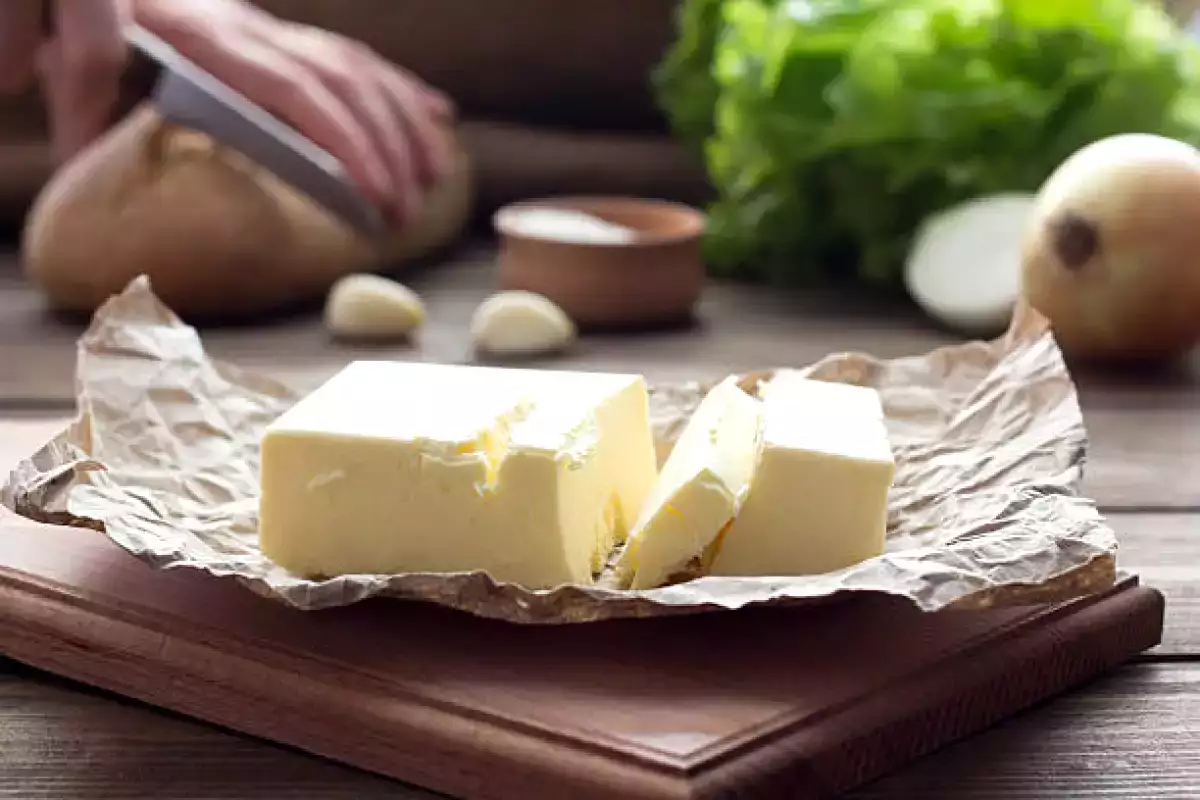
You’re about to start a cake and suddenly realize… there’s no butter in the fridge.
Take a deep breath. No need to abandon dessert. There are actually lots of easy (and sometimes healthier) ways to replace butter in baking.
You really can swap out butter in cakes, muffins, brownies and more... and often super easily. These tricks are becoming more and more popular, because they let you keep the pleasure of dessert while cutting some saturated fat, adding nutrients… or making a recipe work for someone who’s lactose-intolerant.
Sure, butter is a star ingredient: it brings richness, moisture and that soft, tender crumb we love. But surprise: other foods can do a very similar job. Some lighten the calorie load, others add protein or fiber, and several are naturally lactose-free or more allergy-friendly.
1. Dairy swaps: yogurt, Greek yogurt, ricotta & friends
Plain yogurt
Plain (unsweetened) yogurt is creamy and mild, and it works beautifully in sweet recipes.
- Great in: simple cakes, muffins, banana bread, quick breads
- Bonus: adds a bit of protein and moisture
- Tip: use whole-milk yogurt for more richness, or low-fat if you want something lighter.
Greek yogurt
Thicker and richer, Greek yogurt is perfect when you want a fudgy, moist texture.
- Great in: brownies, chocolate cakes, dense loaf cakes
- Bonus: high in protein, nice tang that works well with cocoa and spices.
Cottage cheese or ricotta
Ricotta is the classic Italian choice: soft, creamy and slightly richer. Cottage cheese (blended until smooth) can work similarly.
- Great in: cheesecakes, coffee cakes, breakfast cakes, ricotta loaf cakes
- Bonus: adds protein and a subtle dairy flavor without needing a ton of butter.
As a rough guide, you can usually replace half to all of the butter in a recipe with the same amount of yogurt/ricotta by weight (you may need to tweak texture slightly with a spoonful of extra flour if the batter seems very loose).
2. Fruit & veggie purées: moisture, sweetness… and nutrients
These are the champions if you want less fat but still want a soft, moist crumb.
Applesauce or pear sauce
Unsweetened applesauce is a classic butter substitute in American baking.
- Great in: muffins, snack cakes, spice cakes, pancakes
- Why it works: lots of water + fiber = moisture and tenderness
- Bonus: no fat, no lactose, mild flavor that disappears behind spices and cocoa.
Mashed banana or prunes
Mashed very ripe bananas or prune purée work a lot like applesauce, but with a stronger personality.
- Bananas: perfect in banana bread, chocolate cakes, muffins
- Prunes: great in chocolate desserts and brownies (they melt into the background but add richness)
- Tip: use very ripe bananas (lots of brown spots) for sweetness and smooth texture.
Bean and legume purées
Sounds weird, works great.
- Black or red beans: in brownies or very chocolatey cakes (you don’t taste “bean”, just fudginess)
- White beans or chickpeas: in vanilla cakes, bars, blondies
Blended until perfectly smooth, they bring protein, fiber and a dense, moist texture.
Avocado
Avocado is basically “butter from a tree”: rich, creamy and naturally fatty.
- Great in: brownies, chocolate cakes, fudgy cookies
- Flavor: very mild once mixed with cocoa or chocolate
- Tip: blend it well (food processor or blender) so there are no green chunks.
3. Oils: when you still want that rich, tender crumb
Vegetable oils don’t behave exactly like butter, but they’re fantastic in many cakes and often give you an even softer crumb.
Neutral oils (canola, sunflower, grapeseed, light olive oil)
- Great in: pound cakes, sheet cakes, carrot cake, spice cake, muffins
- Pros: super moist texture, easy to mix by hand, no melting needed
- Note: roughly the same calories as butter, but often with more unsaturated fats.
Olive oil
In small amounts or in the right recipe, olive oil is wonderful.
- Great in: lemon cakes, orange cakes, spice cakes, some chocolate cakes
- Adds: a subtle, fruity note and lovely moisture.
Coconut oil
Firm at room temp, liquid when warm, coconut oil can behave quite a bit like butter in some recipes.
- Great in: cookies, brownies, tropical-style cakes
- Flavor: light coconut note that many people love
- Tip: cool the batter a bit if the recipe calls for creaming; use refined coconut oil if you don’t want coconut flavor.
Beyond butter: smart swaps for better baking
Once you start swapping butter, you realize something: the “magic” of a cake is less about one specific ingredient and more about balance; enough fat, enough moisture, enough structure.
Next time you’re out of butter (or just want to lighten things up), you don’t have to cancel dessert. Pick the swap that makes sense for your recipe ( yogurt, fruit purée, avocado, oil) and test it. You might discover a version that you love even more than the original.
 Adèle Peyches
Comments