Should we stop reusing plastic bottles? What you need to know about risks, myths and safe use
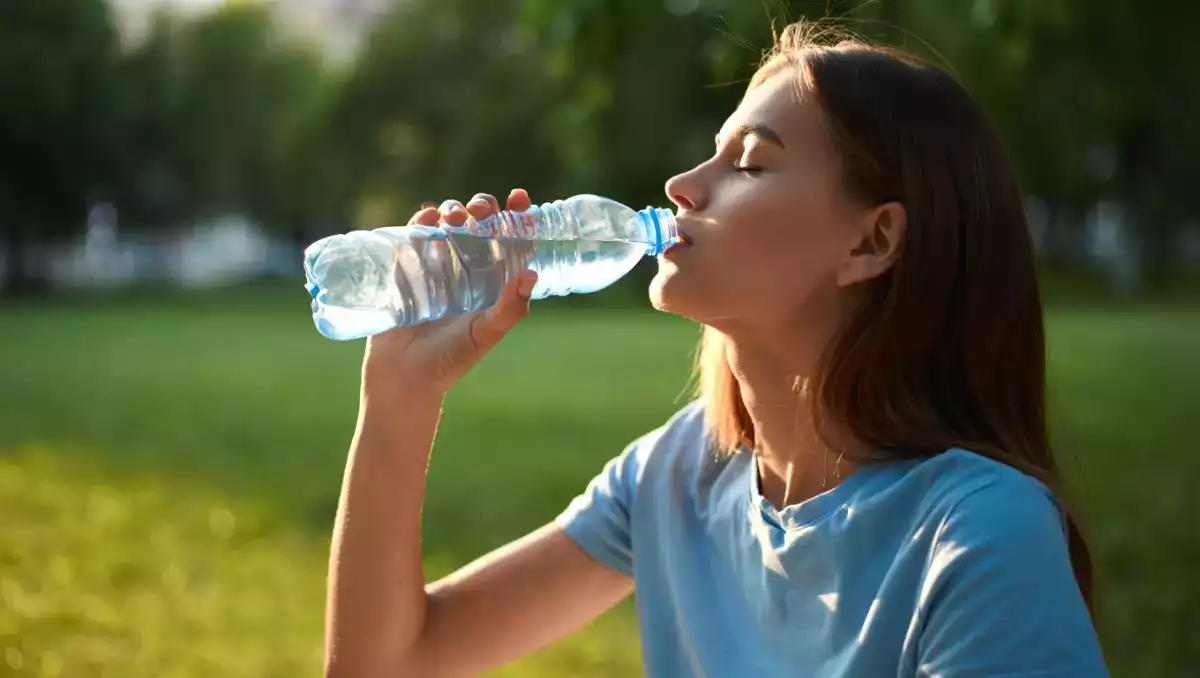
We’ve all done it at least once :)
You finish a bottle of water, refill it at the tap, toss it into your bag before heading to work, the gym, or a walk… It’s practical, economical, and it can even feel like a small gesture for the planet.
But behind this very common habit, a few questions keep coming up: is it really safe? Can plastic release substances into the water? And what about the bacteria that build up after several refills?
Why disposable water bottles aren’t designed to be reused
Most bottled water sold in stores comes in bottles made from PET 1, a plastic called polyethylene terephthalate.
That sounds very technical… but it’s simply the clear plastic used for most mineral water bottles.
It’s so common because it’s lightweight, strong, transparent, and relatively stable. In short, it’s perfect for transporting and storing water.
The problem is that this plastic isn’t made only of “pure” PET.
During manufacturing, different additives may be used to improve strength, transparency, or preservation.
And it’s precisely these substances that raise questions today.
Substances that can migrate into the water
Some food-contact plastics may contain or be associated with compounds such as bisphenols or phthalates, substances studied for their potential effects on the hormonal system.
Even though some molecules, like BPA, have been restricted or banned in certain uses in many countries, they have sometimes been replaced by similar compounds that are still being studied.
The real issue is that plastic materials can release tiny amounts of substances into water under certain conditions.
Heat and light are the main aggravating factors.
In other words: leaving a water bottle for several hours in a hot car under direct sunlight is clearly not the best idea…
The microplastics question
In recent years, more and more studies have also focused on microplastics. These tiny particles, invisible to the naked eye, can end up in water as plastic gradually breaks down. And the smaller the particles, the more questions they raise about their potential impact on the body. For now, scientists are still studying their exact effects on health, but one thing is certain: these particles do exist.bAnd contrary to what many people think, the risk doesn’t depend only on how many times the bottle is refilled. Even a new bottle left in the heat or exposed to sunlight for too long may release substances into the water.
And what about bacteria?
That’s the other big concern. Every time you drink directly from the bottle, bacteria naturally present in your mouth can end up inside it. In most cases, this isn’t dramatic: they’re your own bacteria. But when the bottle stays for several hours at room temperature, especially in warm weather, these microorganisms can multiply. The result? Water that tastes strange… and sometimes minor digestive discomfort for more sensitive people. The risk increases, of course, if the bottle is reused for several days without being properly washed.
And honestly… let’s be real: who really washes a disposable bottle carefully before refilling it?
Are reusable bottles safer?
Yes… as long as they’re cleaned properly.
Because a poorly maintained reusable bottle can also become a real bacteria trap. The difference is that reusable bottles are designed to withstand daily use, unlike disposable bottles, which are not meant to be used long term.
The best option is usually a stainless steel or glass bottle, which is more durable and better suited to repeated use.
So, can you reuse a plastic water bottle once or twice?
In reality, many people do it occasionally without any immediate consequence. But experts generally recommend avoiding making it a daily habit. Especially if the bottle is exposed to heat, spends several days in a bag, or is never cleaned properly.
If you do need to reuse one occasionally, a few simple habits can reduce the risk:
- Avoid leaving the bottle in the sun or in a hot car
- Don’t keep it for several days in a row
- Rinse it regularly
- Replace it immediately if it becomes scratched, damaged, or deformed
Because in the end, the problem isn’t necessarily refilling it once. It’s the accumulation of poor conditions: heat, time, repeated use, scratches, and lack of cleaning.
That’s when a practical little habit can become much less harmless than it seems ;)
 Adèle Peyches
Comments