Should you rinse plates before the dishwasher? Experts say this common habit may waste water for nothing
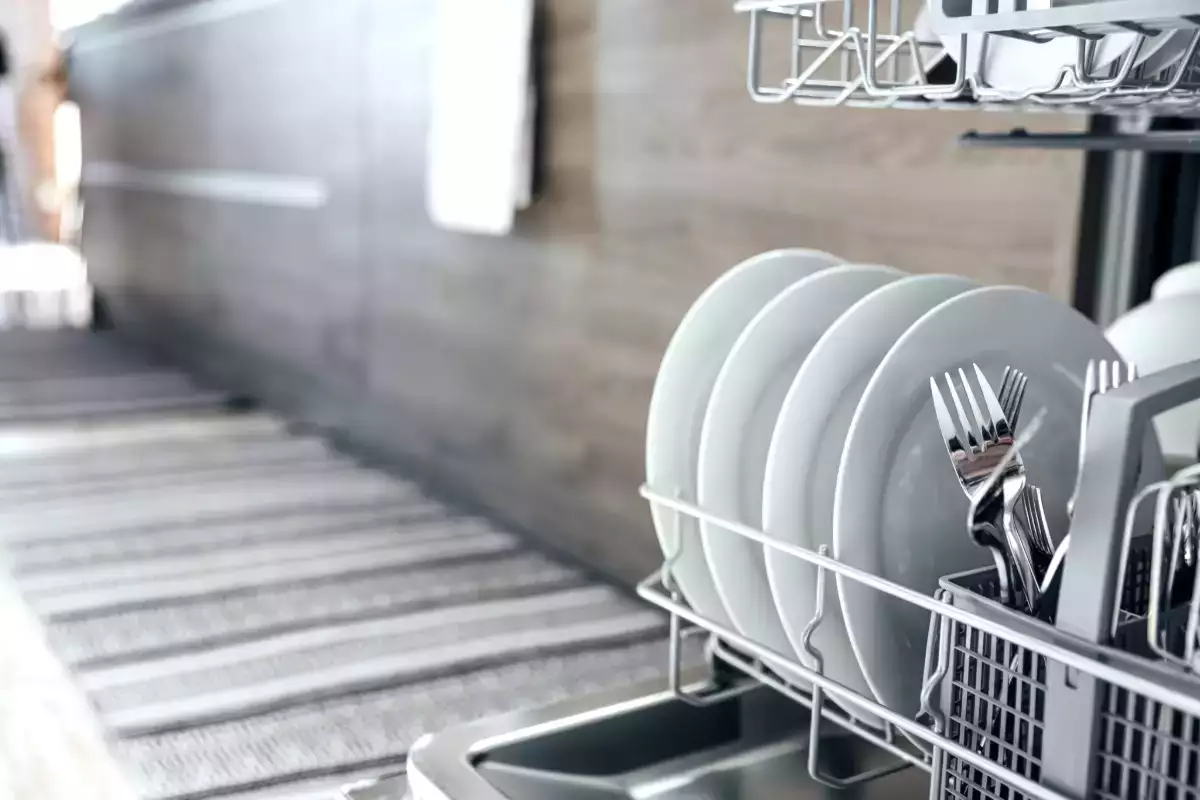
Let’s be honest: a lot of us still do it. We let a thin stream of water run over the plates before loading the dishwasher. It’s a habit inherited from older machines and from the idea that “clean” dishes shouldn’t look too dirty going in. But with today’s sensors, spray arms and targeted jets, that reflex is no longer harmless – it wastes water and can even hurt wash performance.
So: when should you skip rinsing, when are the rare exceptions… and how do you load the dishwasher so the cycle actually works the way it was designed to?
The old reflex: to pre-rinse or not to pre-rinse?
The habit of rinsing everything under the tap goes back to a time when dishwashers really did struggle with dried-on food. Many households kept the habit even as machines improved.
Modern dishwashers, though, are built differently. They rely on:
- Soil sensors that adjust time and temperature based on how dirty the water is
- More efficient spray arms and jets that target stuck-on food
- Detergents designed to work with food residue, not on squeaky-clean plates
If you remove almost all visible food under the tap, you can actually “trick” the dishwasher into thinking the load is lightly soiled. It may shorten the cycle or wash less aggressively, and the detergent has less to act on; sometimes leading to worse results, not better.
An expensive habit for the environment
Rinsing by hand uses a surprising amount of water for very little benefit.
- Rinsing plates one by one under running water can easily use several gallons.
- A modern ENERGY STAR–rated dishwasher can wash a full load using as little as 3–5 gallons total.
Over a week, all that pre-rinsing adds up to a lot of wasted water and energy, for almost no improvement in cleanliness.
So should you stop rinsing completely?
Most of the time: yes, stop pre-rinsing.
What still makes sense:
- Scrape, don’t rinse. Use a spatula or paper towel to remove large scraps into the trash or compost.
- Spot-rinse only in “extreme” cases:
- Dried-on food that’s been sitting for days
- Burnt-on sauces or cheese that are basically glued to the dish
Even then, a quick soak in a little water is often better than a full pre-wash under the tap.
How to get great results without pre-rinsing
To let your modern dishwasher do its job:
- Load it properly
- Don’t nest bowls and spoons so water can’t reach them
- Angle plates and dishes so jets hit the dirty surfaces
- Choose the right cycle
- Use Normal/Auto for everyday mixed loads
- Reserve Heavy/Intensive for very dirty pots and pans, not every wash
- Keep the machine in shape
- Clean the filter regularly
- Check spray arms for clogs
Refill rinse aid and dishwasher salt (if your machine uses it)
With current technology and a few good habits, routine pre-rinsing just isn’t necessary. You get clean dishes, you save water and energy, and you spend less time standing at the sink.
In short: scrape, load smart, pick the right program – and let the dishwasher earn its name.
Optimizing the use of modern dishwashers
For good results and controlled consumption:
- Load the dishes as recommended to avoid "shadow zones" and allow the water to circulate freely.
- Choose a customized program according to the level of dirt instead of an intensive program by default.
- Maintain the machine regularly (filters, rinse arms, salt and rinse aid) and it will keep its performance.
With these habits and today's technology, systematic pre-rinsing becomes unnecessary, keeping your dishes clean while saving water and energy.
 Vincent Sabourdy
I make the best crêpes on the street.
I love accessible recipes, practical advice, and culinary news.
My goal: to offer the best possible culinary website to make cooking a pleasant and shared experience.
Comments