That orange piece you always toss may improve digestion, reduce inflammation and help protect your heart
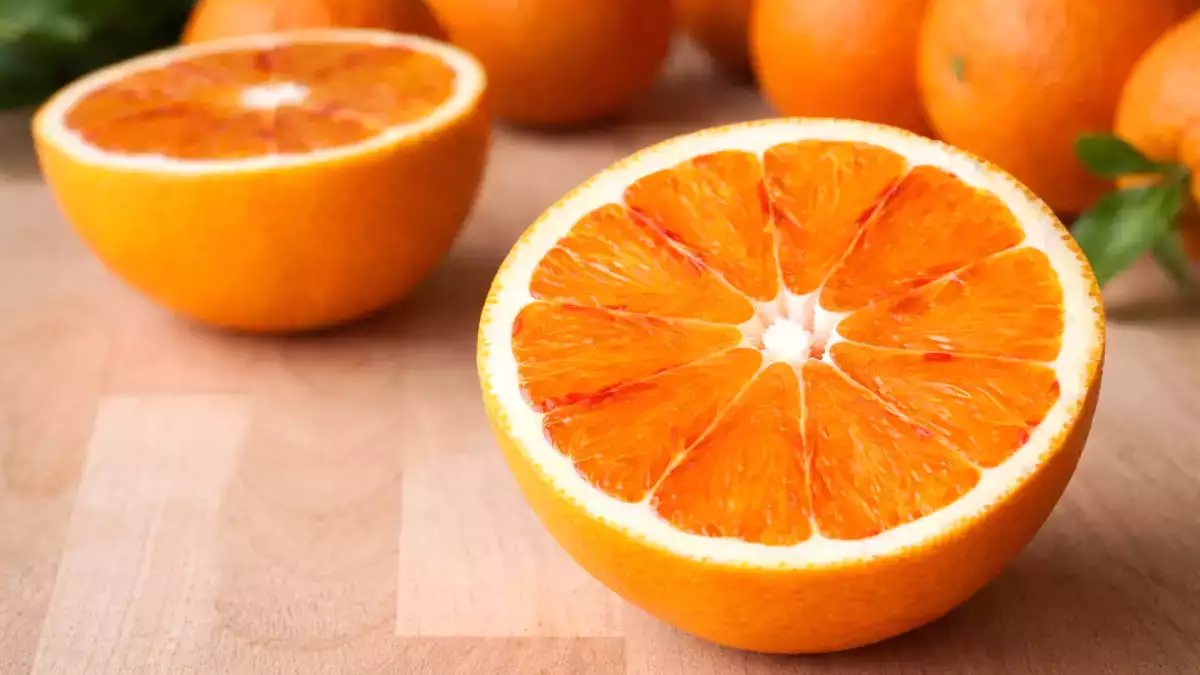
You’ve probably been eating oranges the same way your whole life. You peel them, remove those little white strands, clean each segment carefully… and only then take a bite.
It’s almost automatic. A routine you don’t even think about.
And yet, what you remove every single time isn’t there by accident. That thin white layer—often seen as useless or unpleasant—actually has more to offer than you might expect.
Once you understand what it does, you might never look at your orange the same way again ;)
The part everyone removes
Let’s be honest.
Who hasn’t taken the time to carefully strip away those white fibers clinging to the fruit?
You find them:
- between the peel and the flesh
- around each segment
- sometimes stuck directly onto the fruit
And most of the time, you remove them without a second thought. Maybe because they taste slightly bitter, maybe because the texture isn’t great… or simply out of habit.
But this part actually has a name and a real purpose.
What is that white layer called?
That white layer is called the albedo.
It sits right between the orange peel (the bright outer skin) and the juicy flesh inside.
It’s subtle, often ignored… but far from useless.
Why does it exist?
In fruit, nothing is random.
The albedo plays a protective role. Think of it as a natural barrier between the outside world and the delicate interior.
More specifically, it helps:
- protect the fragile flesh
- retain moisture
- maintain the fruit’s structure
Without it, oranges would be much more vulnerable to damage and dehydration.
What you’re throwing away without realizing it
Here’s where it gets interesting.
That white layer isn’t just useful for the fruit, it’s useful for you too ;)
The albedo is particularly rich in fiber.
And fiber plays a key role in:
- supporting digestion
- improving gut health
- helping you feel full longer
In other words, by removing it every time, you’re also removing a valuable nutritional benefit… without even noticing.
A small but powerful nutritional boost
But fiber isn’t the only thing.
The albedo also contains natural compounds like antioxidants.
These help:
- protect your cells
- fight oxidative stress
- support overall health
What’s surprising is that all of this is concentrated in a part of the fruit most people throw away.
So why do we keep removing it?
The answer is simple: taste and texture.
The albedo is:
- slightly bitter
- less juicy than the flesh
- a bit fibrous
So it’s completely understandable that many people prefer to remove it and keep only the sweet, juicy part.
It makes sense… just not necessarily from a nutritional point of view.
A different way to enjoy your oranges
If the texture really bothers you, there are easy ways around it.
You can keep some of the albedo and use the whole fruit in:
- smoothies
- fresh juices
- fruit salads
In these preparations, the bitterness is much less noticeable and you still get all the benefits.
Sometimes, it’s not about changing what you eat… just how you eat it.
 Mirella Mendonça
Comments