Stop eggplants from soaking up oil and tasting bitter: the simple prep error that ruins their flavor
Friday 21 August 2026 21:00 - Vincent Sabourdy
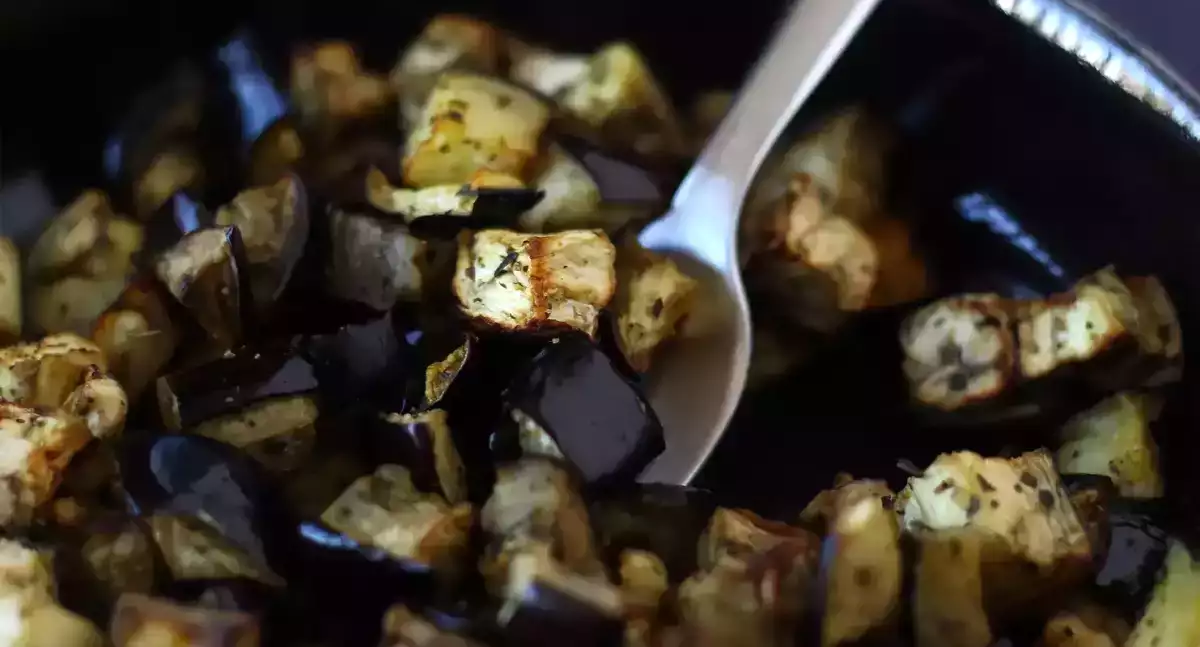
In a pan, their porous flesh can quickly absorb oil, and an overripe eggplant can have hard seeds and a slightly bitter taste. Often, the problem doesn’t start when you’re frying them, but earlier: when you buy, cut, or prepare them.
The secret isn’t to keep adding more oil, but to choose the right eggplants and control the moisture, temperature, and space in the pan.
The mistake starts with choosing the eggplants
A very large eggplant isn’t necessarily the best choice.
Look for firm, heavy ones for their size, with smooth, glossy skin and no soft spots. The stem should look fresh, not completely dry.
Very ripe eggplants may have more developed seeds, less tender flesh, and sometimes a more bitter taste. If you press the skin lightly, it should spring back to its original shape.
Look for firm, heavy ones for their size, with smooth, glossy skin and no soft spots. The stem should look fresh, not completely dry.
Very ripe eggplants may have more developed seeds, less tender flesh, and sometimes a more bitter taste. If you press the skin lightly, it should spring back to its original shape.
Why do eggplants absorb so much oil?
The flesh of eggplants has a porous, sponge-like texture. When the slices are placed in a pan that isn’t hot enough, they absorb the fat before the surface begins to brown.
One of the most common mistakes is adding eggplant to a cold or only slightly warm pan. Equally problematic is crowding the slices: the temperature drops, steam builds up, and the eggplant cooks unevenly.
One of the most common mistakes is adding eggplant to a cold or only slightly warm pan. Equally problematic is crowding the slices: the temperature drops, steam builds up, and the eggplant cooks unevenly.
Should you salt the eggplant before cooking it?
Salting isn’t necessary for every eggplant. Many modern varieties have a mild flavor and can be cooked right away, especially if they’re young and fresh.
Salting can be helpful for more mature eggplants or when you want to draw out some of the surface moisture. Slice the eggplants, sprinkle a thin layer of salt over them, let them sit for a while, then pat them very thoroughly with paper towels.
If you put them in the pan while they’re still wet, the water will cool the oil, prevent them from browning, and result in a mushy texture.
Salting can be helpful for more mature eggplants or when you want to draw out some of the surface moisture. Slice the eggplants, sprinkle a thin layer of salt over them, let them sit for a while, then pat them very thoroughly with paper towels.
If you put them in the pan while they’re still wet, the water will cool the oil, prevent them from browning, and result in a mushy texture.
How to cut them for even cooking
The thickness of the slices should be adjusted to the dish. Very thin slices brown quickly, but they can dry out or burn. Very thick slices may remain raw in the center before the outside browns.
Cut the pieces to roughly the same size so that they cook at the same rate.
Cut the pieces to roughly the same size so that they cook at the same rate.
How to fry eggplant without making it too heavy
Heat the pan before adding the eggplant and use a moderate amount of oil. Arrange the slices in a single layer and cook them in batches if necessary.
Don't immediately add more oil just because the pan looks dry. At first, the eggplant absorbs the oil, but as it cooks, some of the oil may rise to the surface.
For a nice crust, avoid stirring them constantly and don’t cover the pan.
Don't immediately add more oil just because the pan looks dry. At first, the eggplant absorbs the oil, but as it cooks, some of the oil may rise to the surface.
For a nice crust, avoid stirring them constantly and don’t cover the pan.
Air fryer: a low-oil alternative
An air fryer allows you to brown eggplant using very little oil. Toss the pieces with a little oil before cooking, making sure it’s evenly distributed.
Don’t overfill the basket. The hot air needs to circulate around the pieces, and turning them halfway through cooking helps ensure an even color.
Don’t overfill the basket. The hot air needs to circulate around the pieces, and turning them halfway through cooking helps ensure an even color.
The oven produces tender chicken thighs without frying
For salads, spreads, or side dishes, eggplants can be baked whole or cut into pieces. Baking gradually softens the flesh and reduces the need to add a lot of oil.
Prick or score the eggplants before baking and place them on a lined baking sheet. Once the flesh has softened, let them cool slightly, then peel them and drain off any excess liquid.
Prick or score the eggplants before baking and place them on a lined baking sheet. Once the flesh has softened, let them cool slightly, then peel them and drain off any excess liquid.
What do you do if the eggplants still taste bitter?
A slightly bitter taste may occur, especially in mature eggplants with many seeds. In this case, salting and draining can mitigate the taste, but they cannot completely transform a very old eggplant.
If the flesh is brownish, very soft, has an unpleasant odor, or contains an excessive number of dark-colored seeds, don’t try to mask the problem with spices.
If the flesh is brownish, very soft, has an unpleasant odor, or contains an excessive number of dark-colored seeds, don’t try to mask the problem with spices.
How to achieve a pleasant texture without excess fat
Eggplant can be quickly browned in a skillet, on the grill, in the oven, or in an air fryer. The choice of method depends on the dish, but the rule remains the same: use high enough heat and cook only a few pieces at a time.
Cooking them separately gives you more control over the texture. The eggplants retain their shape and don’t become mushy.
Cooking them separately gives you more control over the texture. The eggplants retain their shape and don’t become mushy.
The most important rules, in brief
Choose firm, glossy eggplants that aren't quite ripe.
Salting isn’t necessary, but do use it if the eggplants are more mature or very moist.
Pat the slices completely dry before cooking.
Heat the pan, don’t overcrowd it, and avoid constantly adding oil.
For lighter options, use the oven, grill, or air fryer.
Salting isn’t necessary, but do use it if the eggplants are more mature or very moist.
Pat the slices completely dry before cooking.
Heat the pan, don’t overcrowd it, and avoid constantly adding oil.
For lighter options, use the oven, grill, or air fryer.
Frequently asked questions
Do eggplants need to be peeled?
Not always. The skin of young eggplants is edible and helps the slices hold their shape. On very mature eggplants, the skin may be tougher.
How long should they be left with salt?
There’s no one-size-fits-all answer. Just wait until you see water droplets forming on the surface, then pat the slices dry thoroughly.
Why do they get soggy instead of browning?
Most often, the pan isn’t hot enough, the slices are damp, or too many pieces are being cooked at once.
Can I cook eggplant without oil?
Yes, especially in the oven or in an air fryer, but a small amount of oil spread evenly helps with flavor and browning.
Not always. The skin of young eggplants is edible and helps the slices hold their shape. On very mature eggplants, the skin may be tougher.
How long should they be left with salt?
There’s no one-size-fits-all answer. Just wait until you see water droplets forming on the surface, then pat the slices dry thoroughly.
Why do they get soggy instead of browning?
Most often, the pan isn’t hot enough, the slices are damp, or too many pieces are being cooked at once.
Can I cook eggplant without oil?
Yes, especially in the oven or in an air fryer, but a small amount of oil spread evenly helps with flavor and browning.
 Vincent Sabourdy
Co-founder and publishing director of Petitchef, I am above all passionate about cooking and the internet.
I make the best crêpes on the street.
I love accessible recipes, practical advice, and culinary news.
My goal: to offer the best possible culinary website to make cooking a pleasant and shared experience.
I make the best crêpes on the street.
I love accessible recipes, practical advice, and culinary news.
My goal: to offer the best possible culinary website to make cooking a pleasant and shared experience.
Comments