Instant or traditional polenta: which one gives the best results?
Wednesday 11 November 2026 21:00 - Adèle Peyches
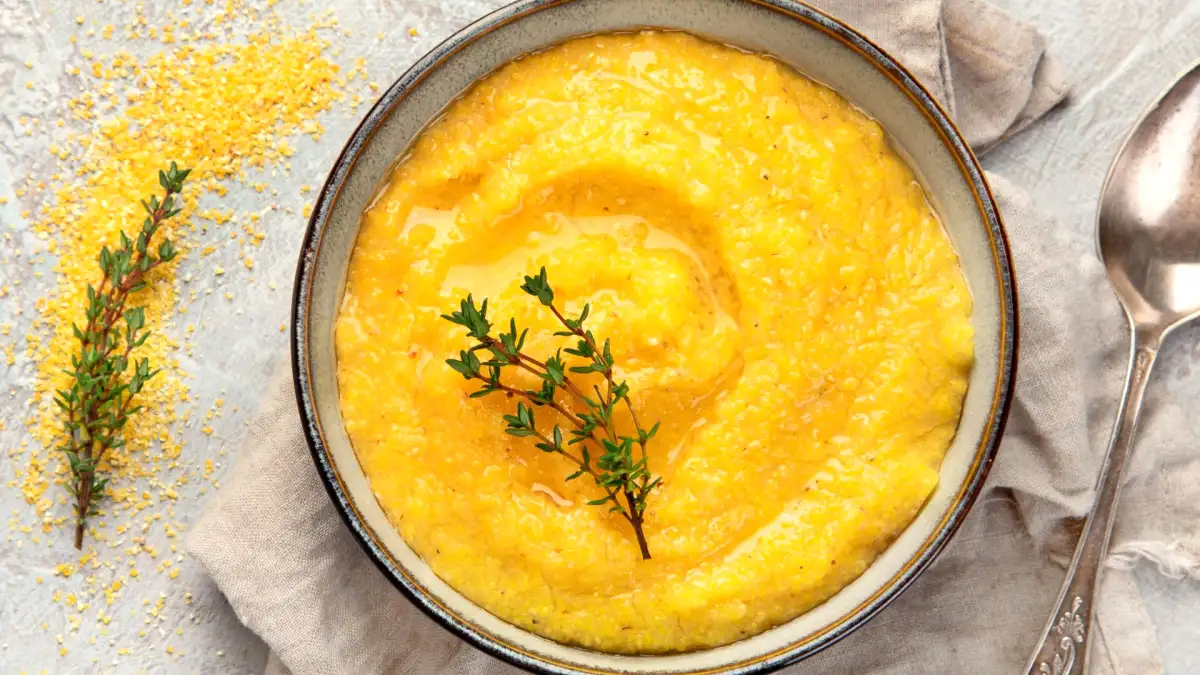
It’s easy to be torn between instant polenta and traditional polenta. One seems perfect for busy evenings, while the other brings to mind slow-cooked dishes that take their time. Before you decide, let’s take a look at what really sets them apart and how to make both successfully without ending up with a lumpy mess.
First of all, what exactly is polenta?
Polenta is a dish made from cornmeal or corn flour, commonly found in the cuisines of northern Italy and other European regional traditions. The corn is cooked in water, milk, or another suitable liquid until it reaches a tender texture.
Depending on the amount of liquid and the fineness of the grind, it can be very creamy, hold its shape better, or become firm enough to be cut into pieces and then browned in a skillet.
It’s also important to distinguish polenta from the generic term “cornmeal”: not all grinds and products require the same preparation. Be sure to read the package, especially if you’re substituting one type of polenta for another in a recipe. The proportions aren’t always interchangeable.
Why does the instant version cook so quickly?
Instant polenta is usually cornmeal that has been precooked and then dried. This means that much of the cooking work has already been done. When you pour it into hot liquid, it rehydrates quickly.
Depending on the brand, it only takes a few minutes to prepare a dish that’s ready to serve. It’s very convenient on evenings when you want to serve it with sautéed mushrooms without having to watch a pot for a long time.
But be careful: “instant” doesn’t mean you can just leave it on the stove. It thickens quickly and can form lumps if you pour the entire contents of the package in all at once without stirring. First prepare the liquid, then gradually add the polenta, following the manufacturer’s instructions.
The traditional method takes more time, but why?
Traditional polenta has not undergone the same pre-cooking process. The kernels must therefore cook long enough to absorb water and become pleasant to eat. Depending on the grind, this can take about 30 to 40 minutes, sometimes longer depending on the product.
Cooking allows the texture to evolve gradually. Coarser-ground polenta retains more bite, while finely ground polenta often yields a smoother result.
That’s not to say that the traditional version is always better—it all depends on the quality of the corn, the grind, and the recipe. A well-prepared instant polenta can be very enjoyable, especially with good seasonings.
How can you avoid lumps, no matter which version you use?
The first step is to follow the liquid-to-polenta ratio indicated on the package or in the recipe. Heat the liquid in a large enough saucepan, then gradually add the polenta while stirring with a whisk or a suitable spatula.
When the mixture thickens, lower the heat to prevent it from sticking to the bottom. Traditional polenta requires longer cooking time; the instant version thickens quickly and often needs to be worked immediately.
If the mixture becomes too firm, gradually add a little hot liquid and stir. If it’s still too runny, continue cooking for a short while, depending on the product. Taste before serving: undercooked polenta can have an unpleasant grainy texture.
Creamy, toasted, or in sticks: Which one should you choose?
For creamy polenta to serve with a dish in sauce, both versions work well. The choice depends mainly on how much time you have and the texture you’re looking for. A little butter, olive oil, or cheese can enhance the dish at the end of cooking.
If you want to shape the polenta into sticks, prepare a firmer consistency, spread it in a dish, and let it cool before cutting. You can then brown the pieces in the oven, in a skillet, or in an air fryer, depending on the recipe.
Here are two Ptitchef recipes that illustrate these uses:
Be sure to follow the instructions carefully: creamy polenta served immediately behaves differently than a mixture that has been cooled and cut into pieces.
If you want to shape the polenta into sticks, prepare a firmer consistency, spread it in a dish, and let it cool before cutting. You can then brown the pieces in the oven, in a skillet, or in an air fryer, depending on the recipe.
Here are two Ptitchef recipes that illustrate these uses:
Perfect creamy polenta: an easy recipe for a soft, flavorful dish
Creamy polenta is a beloved classic of Italian cuisine , cherished for its simplicity and authentic flavor. Traditionally made by slowly cooking yellow cornmeal in water, this version uses a mixture of water and milk for a velvety, lump-free...
Air fryer fried polenta: crispy, healthy and gluten-free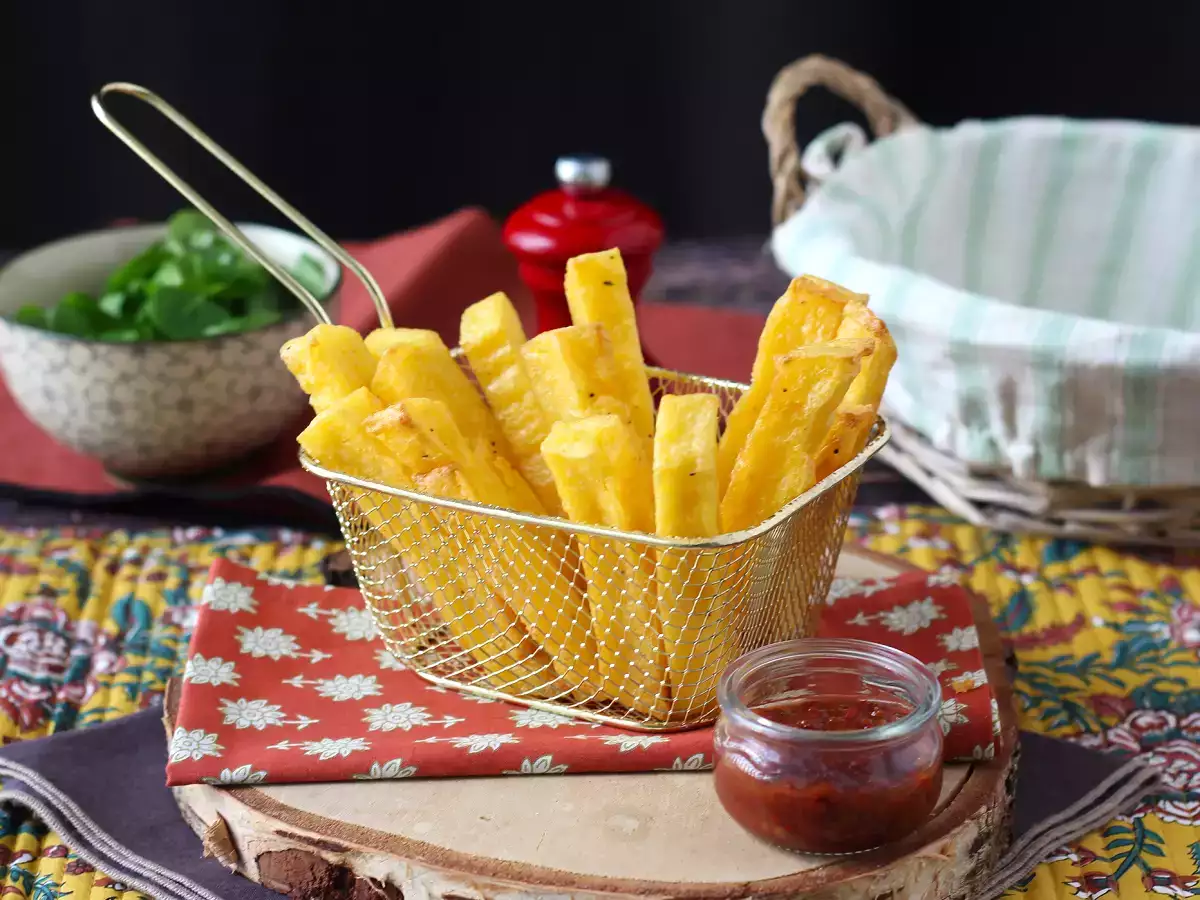
Try polenta fried in the air fryer , a healthy, crispy version of this classic! Made with cornmeal (which is naturally gluten-free), this recipe is easy and delicious, making a balanced side dish or a light, tasty snack . Golden on the...
Be sure to follow the instructions carefully: creamy polenta served immediately behaves differently than a mixture that has been cooled and cut into pieces.
Should we be concerned about nutritional differences?
The instant version is essentially precooked polenta. This process alone isn’t enough to make it a less nutritious food. When comparing two packages, be sure to check the ingredient list: some contain only corn, while others may include seasonings or other additives.
Nutritional values also vary depending on the product and serving size. The final dish will depend heavily on the amount of butter, cheese, or sauce added. Plain polenta does not have the same nutritional profile as a hearty, multi-cheese gratin.
Finally, if you need to avoid gluten, check the packaging for information regarding potential cross-contamination, even though corn does not naturally contain gluten.
So, which one should you buy?
For a weeknight dinner, the instant version is a great solution: it lets you quickly prepare a hot side dish that you can customize. If you like to take your time cooking and experiment with different variations, the traditional version is also worth a try.
You can even keep both in your cupboard: the first for impromptu meals, the second for days when you’re in the mood to create a more rustic texture.
In any case, the real secret to good polenta isn’t just the cooking time listed on the package. The right amount of liquid, careful cooking, and flavorful seasoning already make a huge difference. And with a few mushrooms or roasted vegetables on top, you’ve got a dinner that’s sure to please!
 Adèle Peyches
Editorial manager who just can't wait for winter to enjoy fondue! Passionate about gastronomy and always on the lookout for new culinary gems, I first studied law before returning to my first love: the taste of good products and the joy of sharing around the table :)
Comments