Cold water, boiling water, or a hot pan: which way to cook an egg gives the best texture and taste?
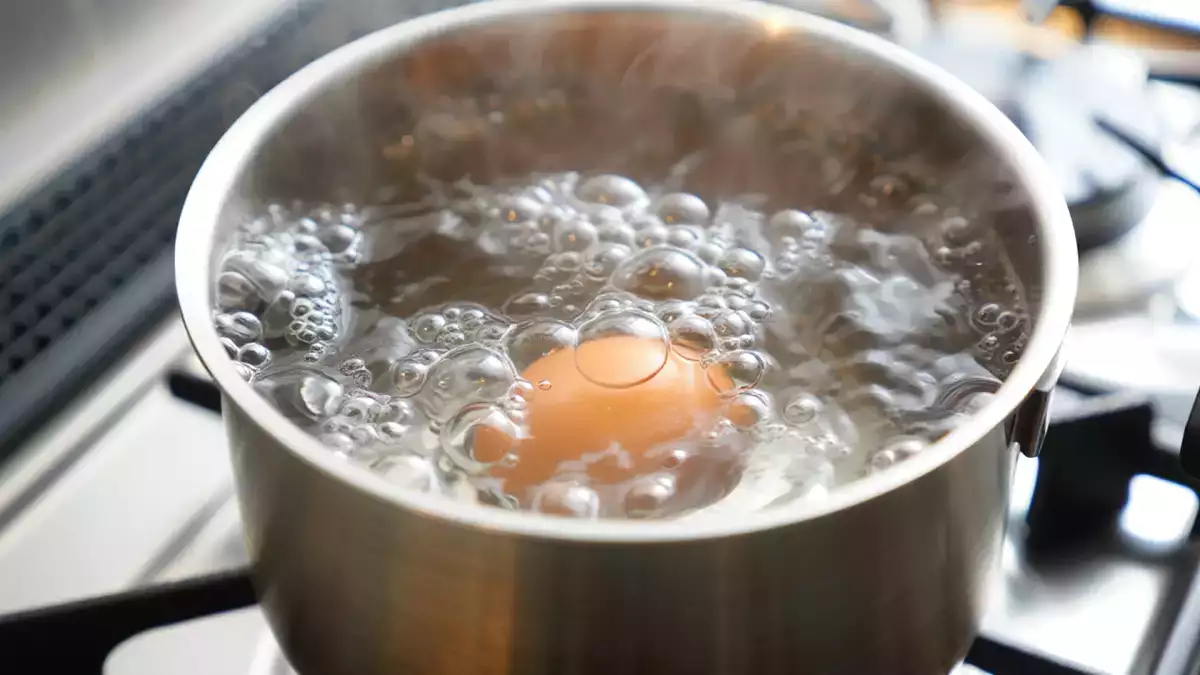
Boiling an egg seems like one of the simplest tasks in the kitchen. After all, you just put an egg in a pot of water and wait a few minutes, right? But there is one debate that has divided home cooks, chefs, and food lovers for years: what is the best way to start?
Some people place eggs in cold water and heat everything together. Others prefer to wait until the water is boiling before adding the eggs. There are even cooks who swear by specific techniques to better control the texture of the yolk.
So, is there really a right way?
The cold-water method
This is probably the most common method in home kitchens. The eggs go into the pot while the water is still cold, and everything heats up gradually.
Advantages
- There is less thermal shock, which can reduce the risk of cracking.
- The eggs cook more gently.
- It is simple and easy to repeat.
Disadvantages
- The total cooking time is longer.
- Since heating time depends on your stove and pot, the final result can vary slightly.
For anyone looking for a practical and reliable everyday method, starting with cold water is often an excellent choice.
The boiling-water method
With this method, the water is brought to a boil first. Then the eggs are carefully lowered into the pot.
Advantages
- It allows more precise control of cooking time.
- It makes it easier to get specific yolk textures, from soft and jammy to fully firm.
- It is often used by cooks who want consistent timing.
Disadvantages
- The thermal shock can cause cracking, especially if the eggs are very cold.
- You need to be more careful when adding the eggs to the hot water.
If your goal is precision, especially for soft-boiled or jammy eggs, this method is often the favorite.
What about a hot pan?
Many people confuse a hot pan with boiling water, but they are not the same thing.
Placing eggs directly into a heated pot without enough water can cause them to crack almost immediately and cook unevenly.
So when we talk about boiled eggs, the real key is not the temperature of the pot itself, but the temperature of the water and how well you control the cooking time.
What does the science say?
The secret to the perfect boiled egg comes down to temperature control.
The egg white and yolk set at different temperatures. When heat is applied too aggressively, some parts can overcook while others have not yet reached the texture you want.
That is why many people consider the cold-water method safer and more consistent for everyday cooking. Boiling water, on the other hand, is excellent when you want very precise results and already know the timing that works for your eggs, stove, and preferred texture.
So, which method is best?
The answer depends on the result you want.
- For convenience and a lower risk of cracking, start with cold water.
- For better control over the yolk texture, add the eggs to already boiling water.
- For classic hard-boiled eggs in everyday cooking, cold water is usually the safest and most reliable option.
In the end, there is no single perfect method for everyone. The best way to boil an egg is the one that gives you the result you like. The good news is that now you know a simple pot of eggs involves a lot more kitchen science than it seems.
 Mirella Mendonça
Comments