Stop ending up with puree: foolproof methods to cook dried beans that stay intact and bite-ready
Friday 2 October 2026 21:00 - Adèle Peyches
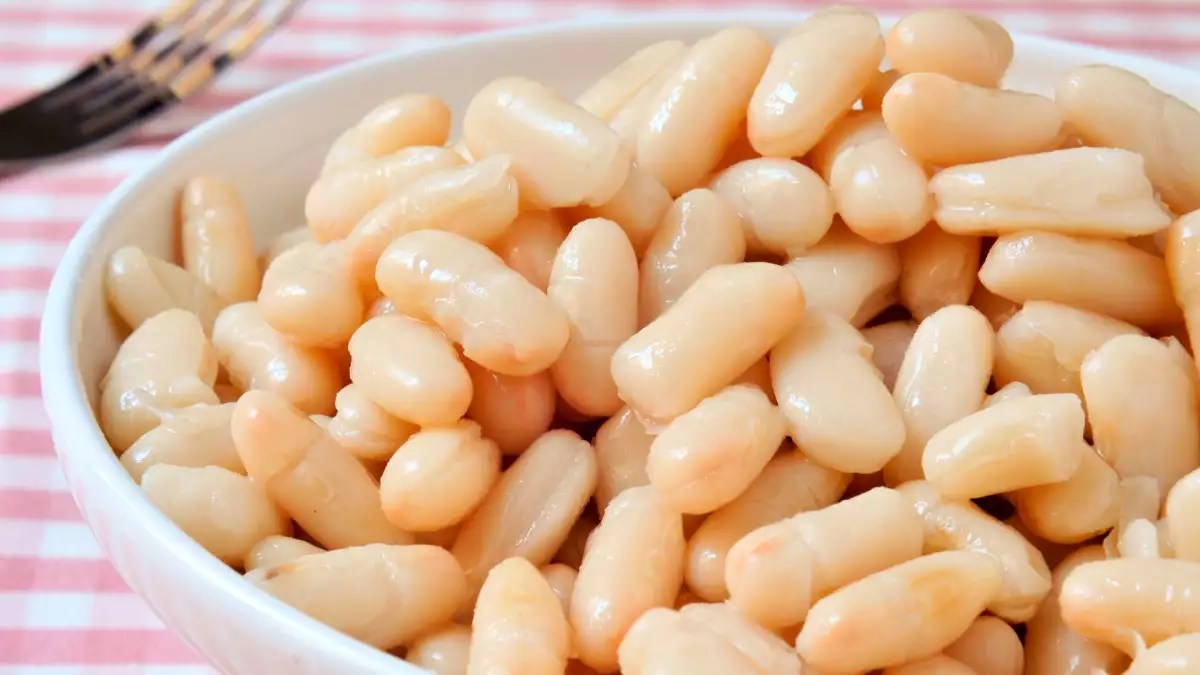
The first thing to know is that you don’t prepare fresh shelled beans and dried beans the same way. The former cook faster. The latter take time ( sometimes soaking) and need to be cooked gently.
Here’s how to cook them without complicating the recipe, with the right guidelines for each type of bean.
Fresh beans or dried beans: What you need to know
Fresh green beans are still tender. They’re available shelled or unshelled, often in season, and don’t need to be soaked before cooking.
Dried beans, on the other hand, have lost their moisture. They must be sorted, rinsed, and then rehydrated or cooked for a longer time. Their cooking time depends largely on the variety, but also on their age: the older they are, the longer it may take for them to become tender.
So, it’s best not to rely solely on a timer. You should taste a bean.
Dried beans, on the other hand, have lost their moisture. They must be sorted, rinsed, and then rehydrated or cooked for a longer time. Their cooking time depends largely on the variety, but also on their age: the older they are, the longer it may take for them to become tender.
So, it’s best not to rely solely on a timer. You should taste a bean.
Before cooking: Sort and rinse the grains
For dried beans, start by spreading them out quickly on a plate or tray. Remove any damaged beans, small pebbles, or debris.
Next,rinse the beans under cold water. This step is simple but helpful before soaking or cooking.
For fresh, shelled beans, sorting is quicker: remove any beans that are discolored or too damaged, then rinse them before adding them to the pot.
Next,rinse the beans under cold water. This step is simple but helpful before soaking or cooking.
For fresh, shelled beans, sorting is quicker: remove any beans that are discolored or too damaged, then rinse them before adding them to the pot.
Do you need to soak dried beans?
Soaking isn't just for show. It rehydrates the beans and shortens the cooking time. For most dried beans, soak them for 6 to 12 hours in a large amount of cold water.
After soaking, discard the water, rinse the beans, and start over with fresh water for cooking. Several culinary extension services recommend rinsing the beans and cooking them in fresh water.
If you didn’t plan ahead, you can do a quick soak: bring the beans to a boil for a few minutes, turn off the heat, cover them, then let them sit for about an hour before rinsing and cooking.
After soaking, discard the water, rinse the beans, and start over with fresh water for cooking. Several culinary extension services recommend rinsing the beans and cooking them in fresh water.
If you didn’t plan ahead, you can do a quick soak: bring the beans to a boil for a few minutes, turn off the heat, cover them, then let them sit for about an hour before rinsing and cooking.
Cooking Dried Beans in a Pot
Place the soaked and rinsed beans in a large pot. Cover generously with fresh water; add a bay leaf, an onion, or a clove of garlic if desired, then bring to a boil.
Next, reduce the heat to maintain a gentle simmer. Cooking time typically ranges from 45 minutes to 2 hours, depending on the variety, how long they were soaked, and the age of the beans.
The beans are done when they crush easily between two fingers or against the roof of your mouth, with no hard center.
Next, reduce the heat to maintain a gentle simmer. Cooking time typically ranges from 45 minutes to 2 hours, depending on the variety, how long they were soaked, and the age of the beans.
The beans are done when they crush easily between two fingers or against the roof of your mouth, with no hard center.
Cooking Fresh Whole Beans
Fresh, shelled beans cook faster than dried beans. Place them in a pot, cover with cold water or water that’s just beginning to simmer, then let them cook gently.
Depending on their size and freshness, they usually take 20 to 40 minutes. Small fresh beans may cook faster, while larger ones take a little longer.
Start tasting them after 20 minutes. The beans should be tender but still hold their shape.
Depending on their size and freshness, they usually take 20 to 40 minutes. Small fresh beans may cook faster, while larger ones take a little longer.
Start tasting them after 20 minutes. The beans should be tender but still hold their shape.
What about a pressure cooker?
A pressure cooker saves time, especially when cooking dried beans that have already been soaked. The exact cooking time depends on the variety of beans and the model of the pressure cooker, so be sure to follow the instructions if they include a cooking chart.
In practice, soaked dried beans can often be cooked in 20 to 35 minutes under pressure. Red beans or large beans may take longer.
Don’t overfill the pressure cooker, as the beans will foam and expand. Leave plenty of room.
In practice, soaked dried beans can often be cooked in 20 to 35 minutes under pressure. Red beans or large beans may take longer.
Don’t overfill the pressure cooker, as the beans will foam and expand. Leave plenty of room.
The Case of the Red Beans
Red beans deserve special attention. The EFSA notes that dried beans that have not been soaked or cooked sufficiently may pose a risk related to lectins.
To minimize this risk, the EFSA states that soaking the beans in water for 6 to 12 hours, then changing the water and boiling them for at least 30 minutes at 100 °C, reduces the majority of lectins.
In short: for dried red beans, do not cook them slowly at a low temperature without bringing the water to a full boil first.
To minimize this risk, the EFSA states that soaking the beans in water for 6 to 12 hours, then changing the water and boiling them for at least 30 minutes at 100 °C, reduces the majority of lectins.
In short: for dried red beans, do not cook them slowly at a low temperature without bringing the water to a full boil first.
When should you add salt to the beans?
We often hear that you should never add salt to beans until the very end. When cooking at home, the safest approach is to add salt sparingly during cooking or toward the end, especially if your beans are older and take a long time to soften.
Above all, avoid adding highly acidic ingredients—such as tomatoes, vinegar, or lemon—too early. The acidity can slow down the process of softening the skins.
For a tomato sauce with beans, it’s best to cook the beans until they’re almost tender, then add the tomatoes afterward.
Above all, avoid adding highly acidic ingredients—such as tomatoes, vinegar, or lemon—too early. The acidity can slow down the process of softening the skins.
For a tomato sauce with beans, it’s best to cook the beans until they’re almost tender, then add the tomatoes afterward.
How to Prevent Beans from Becoming Tough After Cooking
Beans that remain hard can be caused by several factors: beans that are too old, not soaking them long enough, cooking them for too short a time, water that’s too acidic, or adding tomatoes too early.
The simplest solution is to continue cooking them gently, with enough water in the pot. If the beans are really very old, they may remain uneven in texture even after a long cooking time.
For future use, store dried beans in a dry place, away from heat, and don’t keep an opened package for years.
The simplest solution is to continue cooking them gently, with enough water in the pot. If the beans are really very old, they may remain uneven in texture even after a long cooking time.
For future use, store dried beans in a dry place, away from heat, and don’t keep an opened package for years.
How to Use Them Once They're Cooked
Once cooked, whole beans can be added to a salad, soup, stew, chili, stir-fry, purée, hummus, or croquettes.
Save a little of the cooking liquid—it can help thicken a soup or loosen up a purée. Cooked beans also freeze very well in portions, with a little cooking liquid to keep them from drying out.
Save a little of the cooking liquid—it can help thicken a soup or loosen up a purée. Cooked beans also freeze very well in portions, with a little cooking liquid to keep them from drying out.
A simple plan based on what you have
For fresh, shelled beans, rinse them, cook gently, and taste after 20 minutes. For dried beans, sort them, rinse them, soak them if possible, change the water, then simmer until tender.
When using dried red beans, always follow safety precautions: soak them, change the water, and bring to a rolling boil at the start of cooking.
Prepare the herbs separately and add acidic ingredients only when the beans are almost tender.
When using dried red beans, always follow safety precautions: soak them, change the water, and bring to a rolling boil at the start of cooking.
Prepare the herbs separately and add acidic ingredients only when the beans are almost tender.
 Adèle Peyches
Editorial manager who just can't wait for winter to enjoy fondue! Passionate about gastronomy and always on the lookout for new culinary gems, I first studied law before returning to my first love: the taste of good products and the joy of sharing around the table :)
Comments