The 7 worst gluten-free breads you still buy thinking you're doing it right
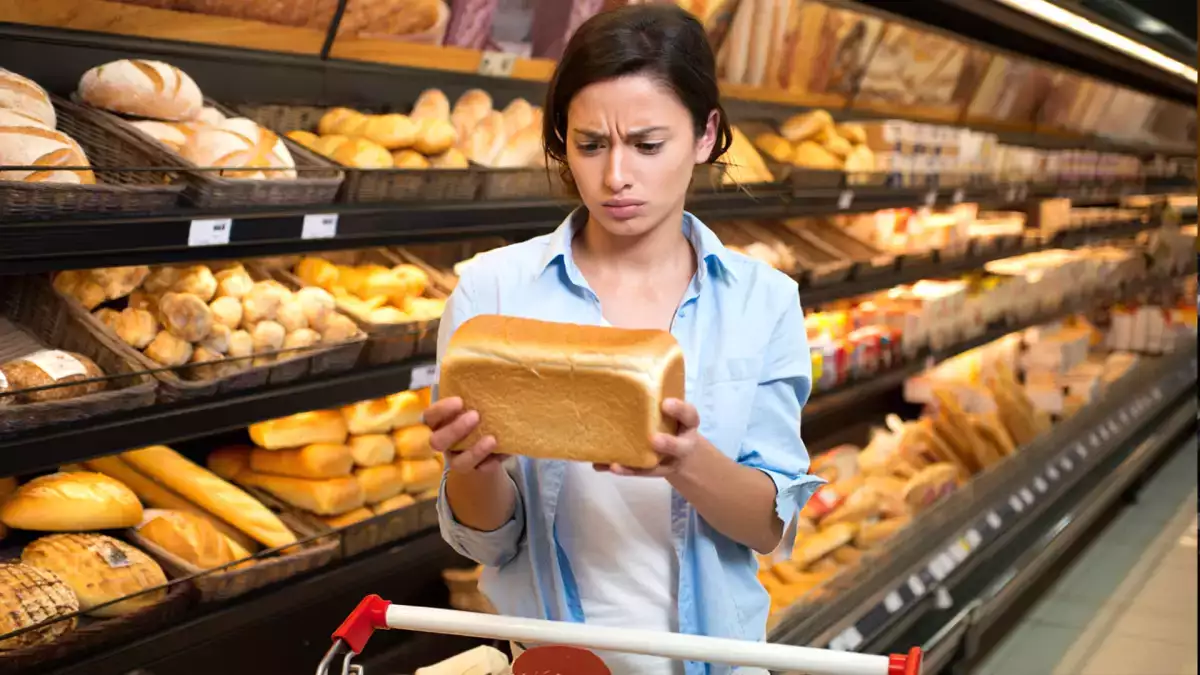
You've probably seen "gluten-free" bread on the shelves with packaging that screams fit, natural and made with selected ingredients. And, of course, you thought: "if it's gluten-free, it must be healthier, right?".
But the truth is that many of these products take advantage of this reputation - and hide ingredients and tricks that can be anything but healthy.
Discover the 7 worst types of gluten-free bread that many people still buy, thinking they're doing the right thing. Number 4 will surprise you!
1. Gluten-free bread full of starch
When gluten is removed from a recipe, you need to find something to give it texture and volume. The most common substitute is cornstarch, potato starch or cassava starch - in other words, pure refined carbohydrates.
These ingredients may make the bread soft, but they raise the glycemic index and cause your body to release spikes of insulin.
The result: earlier hunger and the accumulation of fat, especially in the abdominal region.
Tip: prefer versions that use naturally gluten-free wholemeal flour, such as brown rice, sorghum, chickpea or amaranth flour.
2. Fit bread with sugar in disguise
Sugar? In gluten-free bread? Yes, and more than you might think.
Many manufacturers add sugar, maltodextrin, glucose syrup or cane molasses to compensate for the neutral taste of gluten-free flours.
The result is a product that looks "light" but has practically the same sugar load as a regular cake.
Look at the label: if sugar (or any name that sounds like sugar) is among the first three ingredients, run away.
3. The "fiber-rich" bread that deceives
Some brands advertise "fiber source" in big letters, but when you look at the label... there's only 1 or 2 grams per slice.
The trick? They add small amounts of corn fiber or psyllium just to be able to use the phrase in their marketing.
The amount is so small that it makes no real difference to digestion - and it can also be accompanied by a lot of vegetable fat and preservatives.
The golden rule: Real wholemeal bread has at least 3g of fiber per slice.
4. Ultra-processed "vegan" bread
Being vegan is not synonymous with being healthy.
Some "100% vegan" gluten-free breads use too many hydrogenated oils, emulsifiers and thickeners to maintain texture and extend shelf life.
In the end, these products are more like a chemical formula than real food.
The shorter the list of ingredients, the better. If you need a dictionary to understand the label, this is not the bread for you.
5. Bread with "mixed flours" (which is just white flour)
"Gluten-free flour mix" sounds nutritious, but in many cases it's just a mixture of white rice flour + cassava starch - two sources of simple, nutrient-poor carbohydrates.
These breads provide quick energy, but no sustenance.
You eat a slice and half an hour later you're hungry again.
Give preference to those that combine different functional flours, such as linseed, chia, gluten-free oats, quinoa or amaranth.
6. Artisan bread with hidden fat
Some brands call themselves "artisan" just to appear more natural.
But the reality is that many of these breads contain refined oils (such as soy or canola) and vegetable fat in large quantities, to make them softer and look like homemade bread.
These fats are inflammatory and can affect your cardiovascular health in the long term.
Want a truly artisan bread? Go for local production, without additives and with ingredients you recognize.
7. The "gluten and lactose free" bread that became a dessert
This combination is the best seller - and also one of the most misleading.
To mask the lack of flavor and texture, manufacturers add more sugar, more fat and more additives.
Instead of a loaf of bread, you're practically buying a cake disguised as a loaf of bread.
Not all "gluten-free" is synonymous with healthy
Avoiding gluten may be necessary for those with celiac disease or a diagnosed intolerance, but for most people, the problem isn't gluten itself - it's the excess of ultra-processed products that try to pass themselves off as healthy.
Before you put that "fit" bread in the trolley, look carefully at the label.
The shorter and more comprehensible the list of ingredients, the better.
And if you want an infallible tip: nothing beats bread made at home, with simple flours, yeast, a touch of olive oil and zero gimmicks.
Your body and taste buds will thank you.
 Mirella Mendonça
Comments