These 5 foods should never go in the microwave: experts warn about the risks
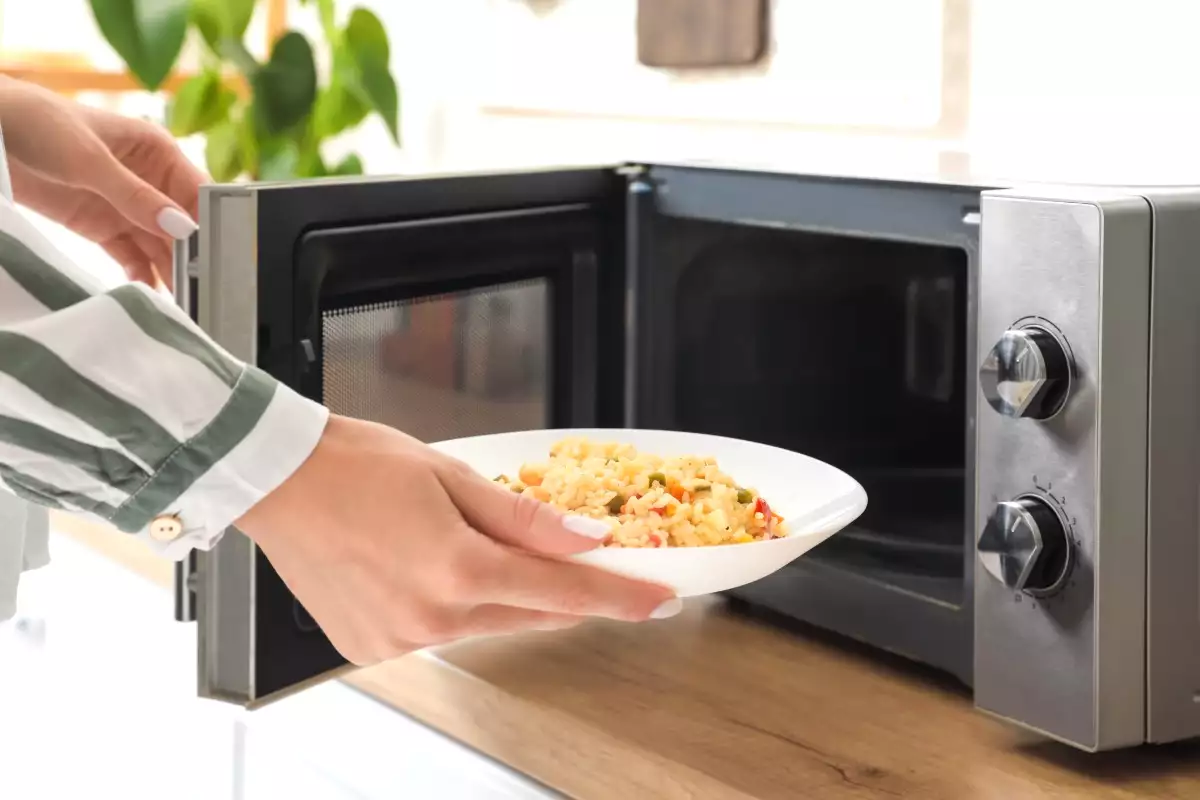
The microwave saves us minutes, but some foods lose far more in the bargain—their nutrients and sometimes even their safety. Spinach, broccoli, mushrooms, potatoes, and even honey can, once reheated this way, generate unwanted compounds or cause digestive discomfort. Specialists suggest rethinking a few habits and favoring gentler cooking methods like steaming, pan-heating, or the oven. A closer look at the risks—and how to do things differently—without giving up convenience.
A handy appliance, but not without risks
The microwave is a fixture of modern kitchens. Fast and efficient, it often comes to the rescue when we’re in a hurry. Yet some experts warn about lesser-known risks. Reheating certain foods in it can diminish their benefits—or worse, encourage the formation of compounds that aren’t great for your health. Here are five foods to avoid or handle with care.
Spinach and other greens: watch out for nitrites
Green vegetables like spinach are rich in nitrates, a naturally occurring compound that’s harmless to begin with. But with storage that goes on too long or repeated reheating, those nitrates can convert into nitrites, which pose risks when they build up. The fix? Cook small batches, cool them quickly, refrigerate, then eat right after reheating—avoiding multiple rounds in the microwave.
Broccoli and cabbage: vitamin loss every time
Broccoli and other cabbages are sensitive to heat and water: prolonged cooking or too much water in the microwave can slash their vitamin C content. To preserve their nutrients, opt for a brief steaming, use a covered dish, very little water, and the shortest heating time possible.
Mushrooms: potential digestive upset
Mushrooms, high in protein and water, don’t cope well with uneven reheating. A spin in the microwave can heat them unevenly and, if they’ve been poorly stored, promote digestive issues (bloating, discomfort). If you want them hot, gently reheat them in a skillet and make sure they’re chilled promptly after the first cooking.
Potatoes: neither in the microwave nor left out
Potatoes can produce acrylamide during very hot, dry cooking (fries, hash browns, chips), something to avoid—especially after an initial cook. Another point to watch: don’t let them cool and then sit at room temperature, as that encourages unwanted bacteria. Solanine is concentrated mainly in potatoes that have turned green or sprouted; cut away the green parts and favor oven or skillet cooking, then eat without delay.
Honey: its sweetness doesn’t tolerate heat
Heating crystallized honey in the microwave depletes its enzymes and antioxidants and promotes the formation of HMF (hydroxymethylfurfural), an unwanted compound at high levels. To liquefy it, simply set the jar in lukewarm water for a few hours, keeping the temperature moderate.
Rethink your habits for healthier cooking
The microwave is still useful, but it calls for smart use: modest portions, quick cooling, just one reheat, minimal water, microwave-safe containers, and short heating times. By tweaking these habits and favoring gentle, appropriate cooking—in the oven or in a pan—you better preserve foods’ nutritional quality and reduce unwelcome effects on your health.
 Vincent Sabourdy
I make the best crêpes on the street.
I love accessible recipes, practical advice, and culinary news.
My goal: to offer the best possible culinary website to make cooking a pleasant and shared experience.
Comments