These pastas have exactly the same ingredients... but one raises blood sugar, the other doesn't.
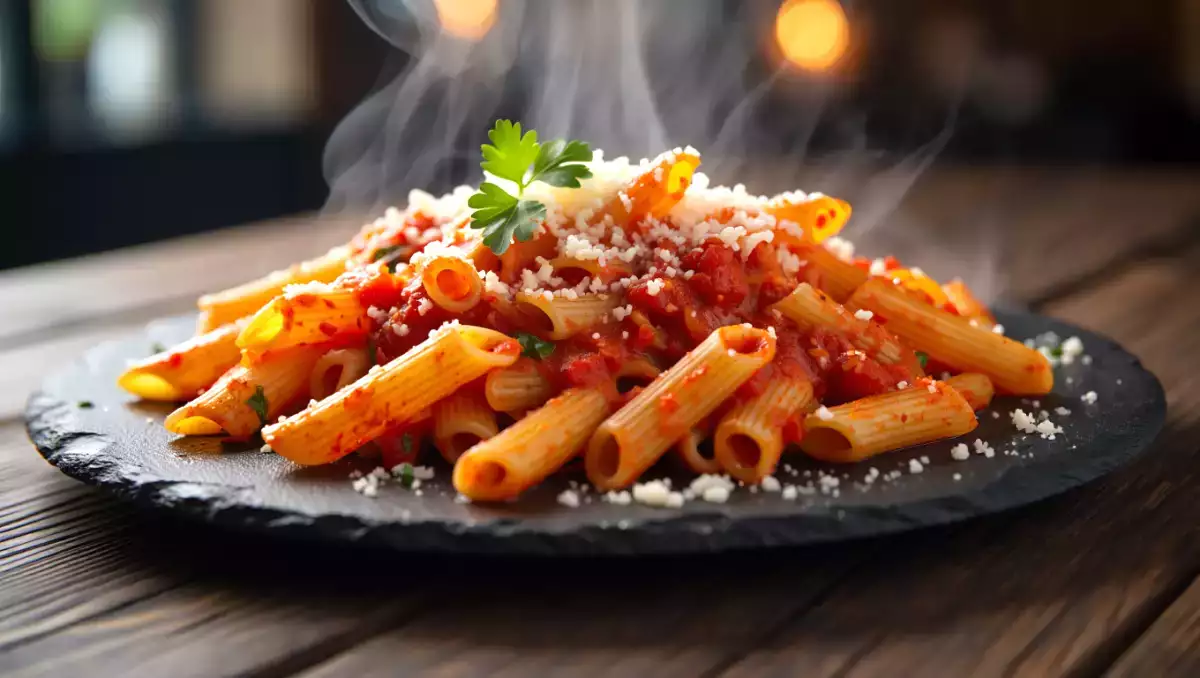
For a long time, they were looked down upon. Too rich, too high in calories, too "fast". And yet, pasta has never been the real problem. What changes everything is the way we cook it... and eat it.
Hot, cold, microwaved or gently pan-fried: these seemingly insignificant details have a profound impact on our blood sugar levels.
The real culprit: starch
Pasta is mainly composed of starch, a complex carbohydrate. When freshly cooked and eaten hot, this starch is easily digested. As a result, it is rapidly converted into glucose, which quickly passes into the bloodstream.
Blood sugar levels soar, then fall just as sharply. Fatigue, cravings, sugar cravings: the famous energy crash is never far away.
This phenomenon is all the more pronounced with white pasta, which is low in fiber and eaten on its own, without protein or fat to slow digestion.
Why warming can make things worse
You'd think that letting your pasta cool would solve the problem. But it all depends on how you reheat it.
Putting white pasta in the microwave makes it even more digestible. The rapid heat further modifies the structure of the starch, which becomes almost "pre-chewed" for the body.
Glucose then enters the bloodstream even more quickly, resulting in a glycemic peak that is sometimes higher than when consumed immediately after cooking.
This mechanism explains why leftover pasta reheated in a hurry can, in the long term, promote metabolic imbalances, particularly in people with sensitive blood sugar levels.
Cooling, an unexpected ally
The good news is that cold changes everything.
When pasta is left to cool in the fridge, the starch undergoes a transformation called retrogradation. Some of the starch becomes resistant starch.
What does this mean?
- It is less well digested in the small intestine
- It releases glucose more slowly
- It behaves more like a fiber
As a result, blood sugar levels rise less, and more gradually.
A 2014 study by the University of Surrey (UK) showed that cooled pasta produced a significantly lower glycemic response than the same pasta eaten hot. This effect was also observed with rice, potatoes and even bread.
Cold... but not just any way
To take advantage of this effect, here are a few simple rules:
- cook pasta al dente (overcooked, it will already have a higher GI),
- leave to cool in the fridge, ideally without sauce,
- eat cold as a salad, or reheat gently in a frying pan or over low heat.
Microwaves should be used sparingly. It doesn't totally "ruin" the resistant starch, but it does cancel out some of its benefits.
Storage: two days in the fridge, three days maximum, in an airtight tin.
And what about on the plate?
A well-thought-out pasta salad ticks all the boxes:
- wholegrain pasta (richer in fiber),
- crunchy vegetables,
- good fats (olive oil),
- proteins (eggs, fish, legumes).
The result : a satiating dish, more stable energy levels... and far fewer mid-afternoon cravings.
The bottom line?
Rather than throwing away your leftover pasta or mechanically reheating it between meetings, give it a second life. As a salad, it's not only practical... it's also much better for your blood sugar levels!
 Adèle Peyches
Comments