This kitchen hack replaces weed killer in 2025: eco-friendly, free and surprisingly effective
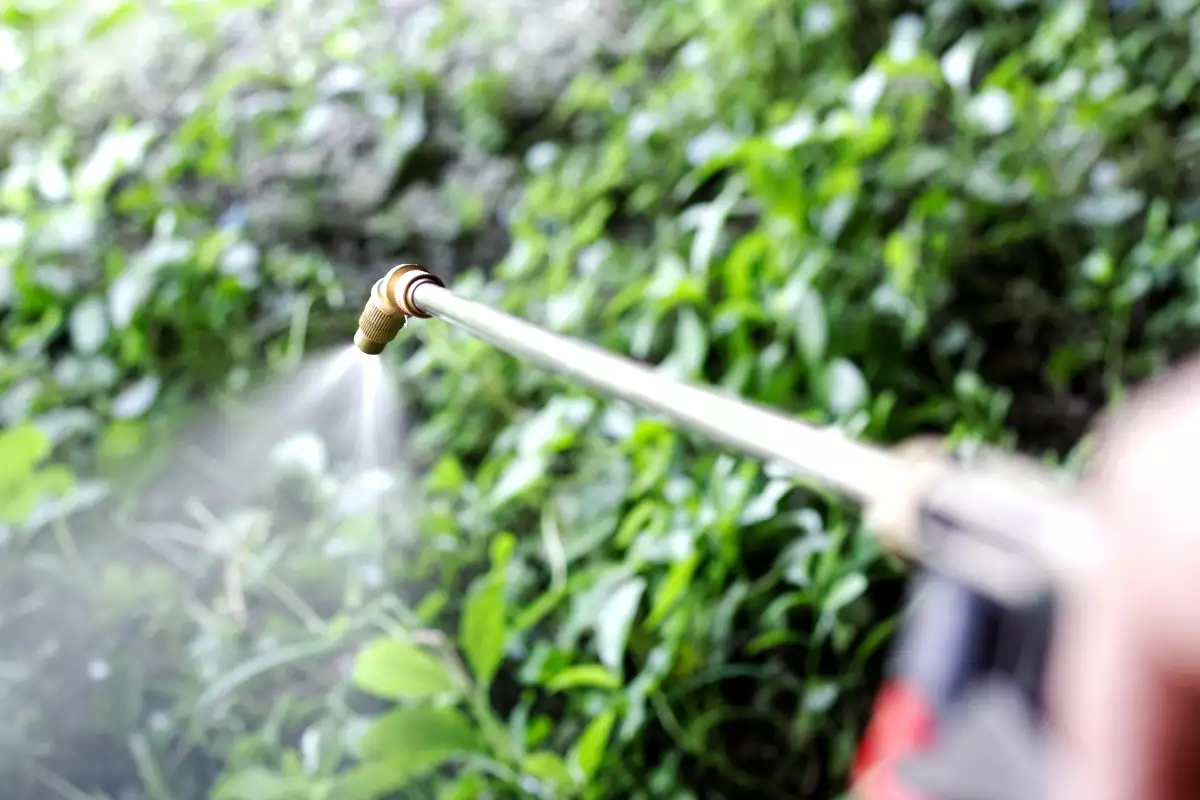
Every season, they reappear between the paving stones and at the base of the beds, despite all efforts. Instead of pricey products with debated effects, an ultra-simple routine based on white vinegar and boiling water is catching on in 2025, straight from the kitchen. With the right timing and technique, you can target the unwanted without touching the plants you want to keep. The payoff: substantial savings and a real boost to biodiversity, with fewer plastic bottles headed for the trash.
Weeds return, a remedy from the kitchen
Each spring, paths and lawns fill with unwanted shoots that upset the balance of painstakingly maintained spaces. In 2025, a shift is underway with an approach that’s both simple and surprising: there’s no need to resort to expensive, controversial weed killers; a mix of white vinegar and water brought to a boil does the job. An eco-friendly trick winning over gardeners looking for practices that are sustainable and gentle on the environment.
The natural solution: white vinegar and boiling water
Pantry staples are emerging as credible rivals to herbicides. Thanks to its acidity, white vinegar acts as a weed killer when sprayed directly onto the leaves. Boiling water, meanwhile, delivers a thermal shock that quickly destroys the tissues of unwanted plants.
Used together or separately, these two options are simple to apply and also help cut down on plastic waste from chemical containers.
How to weed successfully
To get the best results, follow these simple steps:
- Spray white vinegar directly onto weeds on a hot, sunny day, when evaporation is limited and the effect is stronger.
- Pour boiling water gently over the toughest plants, taking care to avoid the ones you want to keep.
- Repeat after a few days if deep roots persist.
Stay precise on the target areas: even though they’re natural, these methods are non-selective and can affect useful plants if the application spills over.
Remarkable environmental and financial impact
Adopting these techniques reduces exposure to controversial compounds while lightening expenses. The modest price of vinegar and the easy availability of hot water make this an option for every household, delivering a noticeable drop in garden maintenance costs.
The environmental upside is clear: less chemical pressure on ecosystems, healthier soils, and better protection for beneficial wildlife. A simple way to garden in harmony with nature, without sacrificing effectiveness.
 Vincent Sabourdy
I make the best crêpes on the street.
I love accessible recipes, practical advice, and culinary news.
My goal: to offer the best possible culinary website to make cooking a pleasant and shared experience.
Comments