Tired of last-minute dinners? The golden rules of batch cooking that make the week easier
Sunday 27 September 2026 17:00 - Juliette Hess
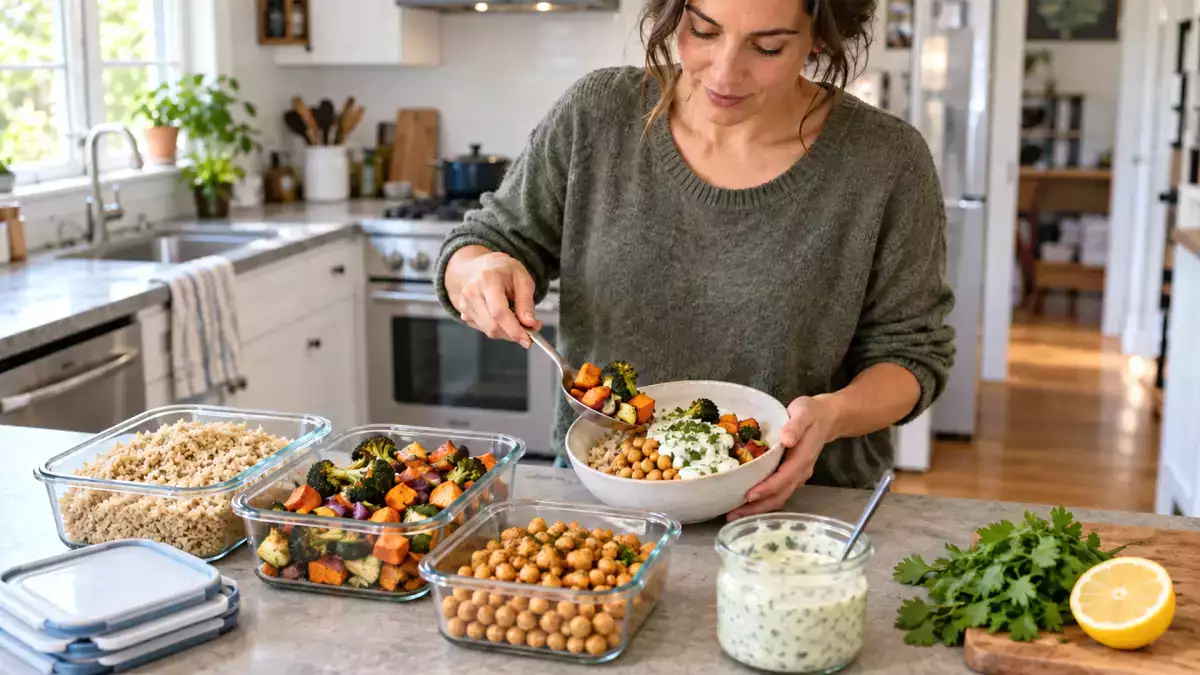
The idea is simple: instead of wondering what to cook every evening, you prepare a handful of functional ingredients, sauces, grains, vegetables or proteins in advance. Then, during the week, you mix and match them into lunches, dinners or quick family meals.
The best part? Good batch cooking does not mean eating the same dish five times in a row. With the right method, it helps you create variety, avoid waste and keep your fridge full of useful options. Here are the golden rules of batch cooking to make your meal prep realistic, tasty and genuinely helpful.
Start with a realistic weekly plan
The first golden rule of batch cooking is to keep your plan realistic. A beautiful menu with ten different dishes may look inspiring, but it can quickly become exhausting. Instead, choose three or four meal ideas that share ingredients and cooking methods.
For example, roasted vegetables can become a salad topping, a pasta sauce base, a grain bowl element or a side dish. Cooked rice can be used for fried rice, burrito bowls or quick lunches. The goal is to create a flexible plan, not a rigid schedule.
Before shopping, check what you already have in the pantry, fridge and freezer. This helps you avoid duplicates, reduce food waste and build meals around ingredients that need to be used first.
For example, roasted vegetables can become a salad topping, a pasta sauce base, a grain bowl element or a side dish. Cooked rice can be used for fried rice, burrito bowls or quick lunches. The goal is to create a flexible plan, not a rigid schedule.
Before shopping, check what you already have in the pantry, fridge and freezer. This helps you avoid duplicates, reduce food waste and build meals around ingredients that need to be used first.
Think in building blocks, not full meals
One of the most useful meal prep tricks is to prepare components rather than complete plates. This keeps your meals fresh and prevents boredom.
Useful building blocks include cooked grains, washed salad leaves, roasted vegetables, hard-boiled eggs, cooked legumes, grilled chicken, baked tofu, sauces, dips and chopped raw vegetables. Once these are ready, you can assemble meals in minutes.
This approach is especially helpful for families or households with different tastes. Everyone can build their own bowl, wrap, lunch box or dinner plate using the same base ingredients.
Useful building blocks include cooked grains, washed salad leaves, roasted vegetables, hard-boiled eggs, cooked legumes, grilled chicken, baked tofu, sauces, dips and chopped raw vegetables. Once these are ready, you can assemble meals in minutes.
This approach is especially helpful for families or households with different tastes. Everyone can build their own bowl, wrap, lunch box or dinner plate using the same base ingredients.
Cook once, season twice
The best batch cooking is clever with flavour. If you season everything the same way, the week can feel repetitive. A smarter method is to cook ingredients simply, then change the taste at serving time.
For example, plain roasted sweet potatoes can become spicy with paprika, fresh with yogurt and herbs, or comforting with cheese and beans. A pot of lentils can turn into soup, salad, curry or a warm side dish depending on the sauce and spices you add later.
Keep a few flavour boosters ready: lemon juice, fresh herbs, pesto, mustard dressing, soy sauce, chili oil, tahini sauce or a quick tomato sauce. These small additions make a big difference.
For example, plain roasted sweet potatoes can become spicy with paprika, fresh with yogurt and herbs, or comforting with cheese and beans. A pot of lentils can turn into soup, salad, curry or a warm side dish depending on the sauce and spices you add later.
Keep a few flavour boosters ready: lemon juice, fresh herbs, pesto, mustard dressing, soy sauce, chili oil, tahini sauce or a quick tomato sauce. These small additions make a big difference.
Choose recipes that store well
Not every dish is made for batch cooking. Some foods lose their texture quickly, while others become even better after a day in the fridge. For successful prep, choose recipes that reheat well or can be eaten cold.
Soups, stews, curries, baked pasta, roasted vegetables, cooked grains, beans, lentils and sauces are excellent options. Crispy foods, delicate salads and freshly fried items are usually better prepared at the last minute.
If you love crunchy toppings, store them separately. Nuts, seeds, croutons, fresh herbs and raw vegetables should be added just before serving so your meals stay lively and appetising.
Soups, stews, curries, baked pasta, roasted vegetables, cooked grains, beans, lentils and sauces are excellent options. Crispy foods, delicate salads and freshly fried items are usually better prepared at the last minute.
If you love crunchy toppings, store them separately. Nuts, seeds, croutons, fresh herbs and raw vegetables should be added just before serving so your meals stay lively and appetising.
Store everything clearly and safely
Good storage is the quiet hero of batch cooking. Use clean airtight containers, let hot food cool before refrigerating, and label items with the name and date when needed.
Place the foods you need to eat first at the front of the fridge. Keep sauces in small jars, cooked grains in larger containers and washed vegetables in boxes lined with paper towel to help manage moisture.
For longer weeks, use the freezer. Soups, sauces, cooked beans, stews and some casseroles freeze very well. Freezing part of your prep gives you a backup meal for busy evenings when cooking from scratch is not possible.
Place the foods you need to eat first at the front of the fridge. Keep sauces in small jars, cooked grains in larger containers and washed vegetables in boxes lined with paper towel to help manage moisture.
For longer weeks, use the freezer. Soups, sauces, cooked beans, stews and some casseroles freeze very well. Freezing part of your prep gives you a backup meal for busy evenings when cooking from scratch is not possible.
Do not prep everything on one day
A common mistake is trying to prepare an entire week of meals in one intense session. That can make batch cooking feel like a chore. Instead, choose one main prep moment and one mini top-up later in the week.
For example, you might roast vegetables, cook grains and make a sauce on Sunday. Then, on Wednesday, you wash salad, boil eggs or prepare a quick soup. This rhythm keeps meals fresher and makes the workload easier to handle.
Batch cooking should support your life, not take over your weekend. Even 45 minutes of smart prep can make a big difference.
For example, you might roast vegetables, cook grains and make a sauce on Sunday. Then, on Wednesday, you wash salad, boil eggs or prepare a quick soup. This rhythm keeps meals fresher and makes the workload easier to handle.
Batch cooking should support your life, not take over your weekend. Even 45 minutes of smart prep can make a big difference.
Build in variety to avoid meal fatigue
The golden rule for staying motivated is variety. Repeating ingredients is practical, but repeating the exact same meal can become boring fast.
Try changing the format: turn the same vegetables into a wrap one day, a soup the next and a rice bowl later in the week. Use different sauces, toppings and textures to make each meal feel new.
It also helps to plan one very simple emergency meal: eggs on toast, pasta with sauce, a freezer soup or a quick salad bowl. This gives you flexibility when plans change, which they almost always do.
Try changing the format: turn the same vegetables into a wrap one day, a soup the next and a rice bowl later in the week. Use different sauces, toppings and textures to make each meal feel new.
It also helps to plan one very simple emergency meal: eggs on toast, pasta with sauce, a freezer soup or a quick salad bowl. This gives you flexibility when plans change, which they almost always do.
Make batch cooking pleasant, not perfect
The most important rule is to keep batch cooking enjoyable. Put on music, use recipes you actually like and avoid turning meal prep into a performance. You do not need matching containers, a perfect fridge or a complicated spreadsheet to succeed.
Start small: one soup, one grain, one tray of vegetables or one sauce. When you see how much easier your week becomes, you can build the habit naturally.
In the end, batch cooking is not about perfection. It is about giving your future self a little gift: less stress, fewer last-minute decisions and more delicious meals ready when you need them.
Start small: one soup, one grain, one tray of vegetables or one sauce. When you see how much easier your week becomes, you can build the habit naturally.
In the end, batch cooking is not about perfection. It is about giving your future self a little gift: less stress, fewer last-minute decisions and more delicious meals ready when you need them.
 Juliette Hess
I have been creating culinary content for Petitchef since 2017.
I love travelling and discovering new dishes, trying out new food trends and exploring new restaurants.
I’m a huge fan of pasta and noodles in all their forms ❤ from udon noodles to tagliatelle, I love cooking them and even making them from scratch!
I’m currently preparing, filming and photographing your next recipe, and I hope you’ll enjoy it!
I love travelling and discovering new dishes, trying out new food trends and exploring new restaurants.
I’m a huge fan of pasta and noodles in all their forms ❤ from udon noodles to tagliatelle, I love cooking them and even making them from scratch!
I’m currently preparing, filming and photographing your next recipe, and I hope you’ll enjoy it!
Comments