Torrijas and fried milk in an air fryer: the two great Spanish Easter sweets that also work well without frying pan
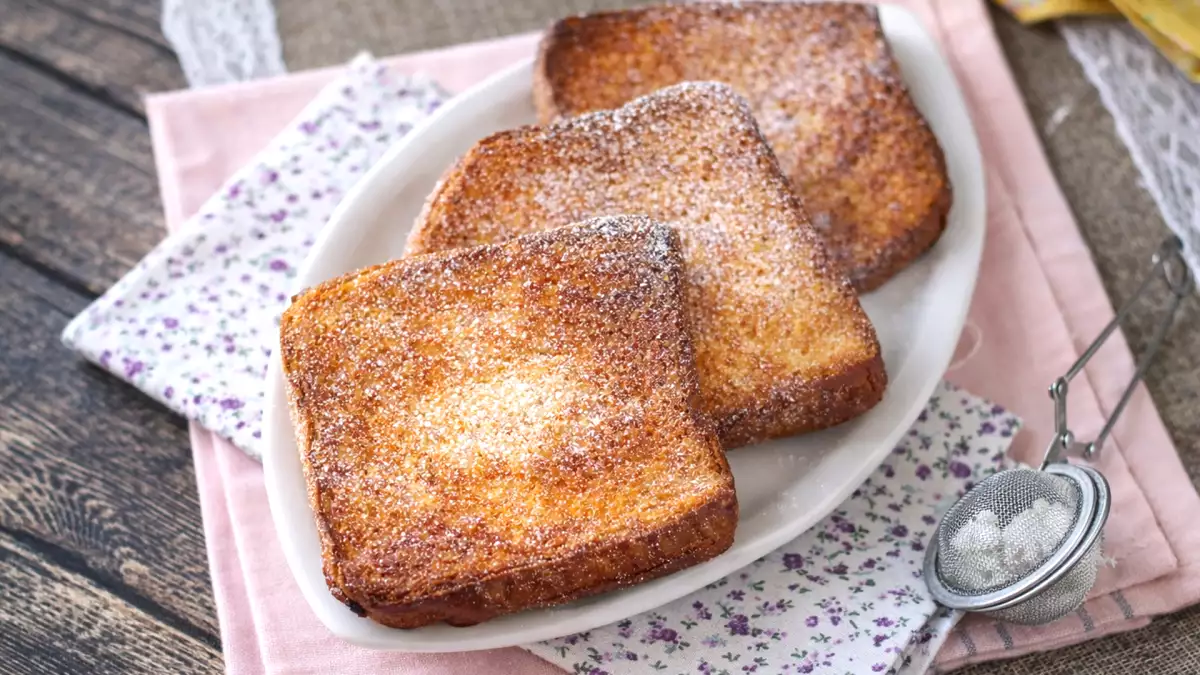
Torrijas and leche frita still hold a special place among traditional Easter desserts in Spain, but more and more home cooks are now making them in an air fryer. The reason is easy to understand: less mess, less oil, and (when done right) a result that still captures what makes these classics so recognizable.
Easter traditions… with a modern twist
In Spain, there are certain smells that announce this time of year before the calendar does: milk infused with cinnamon and citrus peel, sugar ready for coating, slices of bread waiting on the counter. For years, that ritual almost always involved a frying pan. Now, in many kitchens, the scene has changed: the air fryer has made its way into seasonal desserts too.
This isn’t just about following a trend. The air fryer has become part of everyday cooking because it uses less oil, creates less mess, and simplifies recipes that once required deep frying. And during Easter, that shift has reached two desserts that once felt untouchable: torrijas (Spanish French toasts) and leche frita.
The air fryer doesn’t replace the traditional method, it offers another way to get there. In some homes, the skillet still rules; in others, it’s the air fryer basket. But as long as torrijas stay soft and soaked inside, and leche frita comes out neatly cut, golden and fragrant, the connection to tradition remains. Sometimes traditions don’t disappear, they just change tools.
Two classics that still taste like Easter
Few things are more closely tied to this season than a tray of freshly made torrijas or a platter of leche frita dusted with sugar and cinnamon. They’re quite different, but both bring that unmistakable sense of tradition to Spanish tables.
Torrijas rely on a simple but effective idea: sturdy bread, infused milk, egg, and a finish that leaves them soft inside and golden outside. Leche frita plays a different game: here it’s all about a thick custard that sets, is cut into pieces, coated, and cooked until the outside turns golden while the inside stays creamy.
What changes in the air fryer
The first thing to say is that they’re not exact copies of the fried versions, and they don’t need to be. The air fryer doesn’t perfectly replicate what happens in a pan of hot oil, but it does offer a convincing alternative for those looking for a lighter result and a cleaner kitchen.
With torrijas, the difference is mostly in the finish: they can still be moist and tender, but they require a bit more attention to avoid drying out. Leche frita, on the other hand, adapts surprisingly well, since the air fryer can brown the coating without deep frying; something many people appreciate when aiming for a lighter version.
Torrijas in the air fryer: the most adaptable classic
Of the two, torrijas are probably the easiest to adapt. And it makes sense: all the essentials are still there: the bread, the infused milk, the cinnamon, the citrus, the final coating. What changes isn’t the heart of the recipe, but the way you get to the final result.
There’s also another advantage: torrijas are quite forgiving when it comes to small variations, as long as their character remains intact. You can change the bread, the type of milk, even the cooking method. What shouldn’t change is what you expect from them: a soft, soaked interior, a clear aroma of cinnamon and citrus, and that final touch of sugar that makes them unmistakably festive.
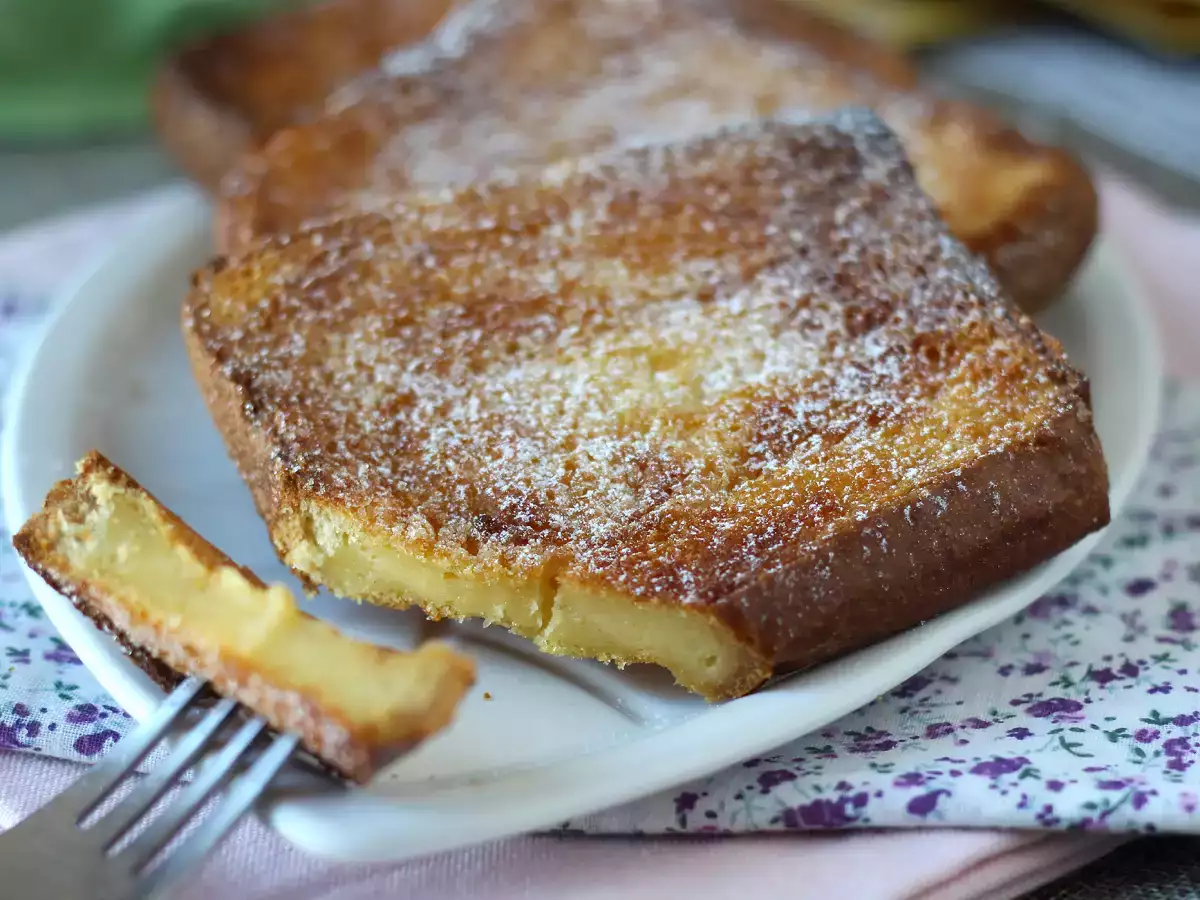
There are flavors that stay with us all our lives, and torrijas are, without a doubt, one of them. This version of air-fryer brioche torrijas brings back that sweet, golden childhood memory, with a little twist that makes everything simpler....
Air fryer leche frita: the most surprising one
If torrijas feel like the obvious candidate for the air fryer, leche frita is the one that sparks the most curiosity. Maybe because its name and its history seem to call for a pan full of oil, and yet it adapts better than expected to a more controlled way of cooking.
In this version, the main appeal stays exactly the same: that contrast between a golden exterior and a creamy interior, scented with cinnamon and citrus. The air fryer doesn’t change the essence of the dessert, but it does make the process simpler and more approachable, especially for anyone who’s never dared to make it at home. And that, in itself, is already a win.
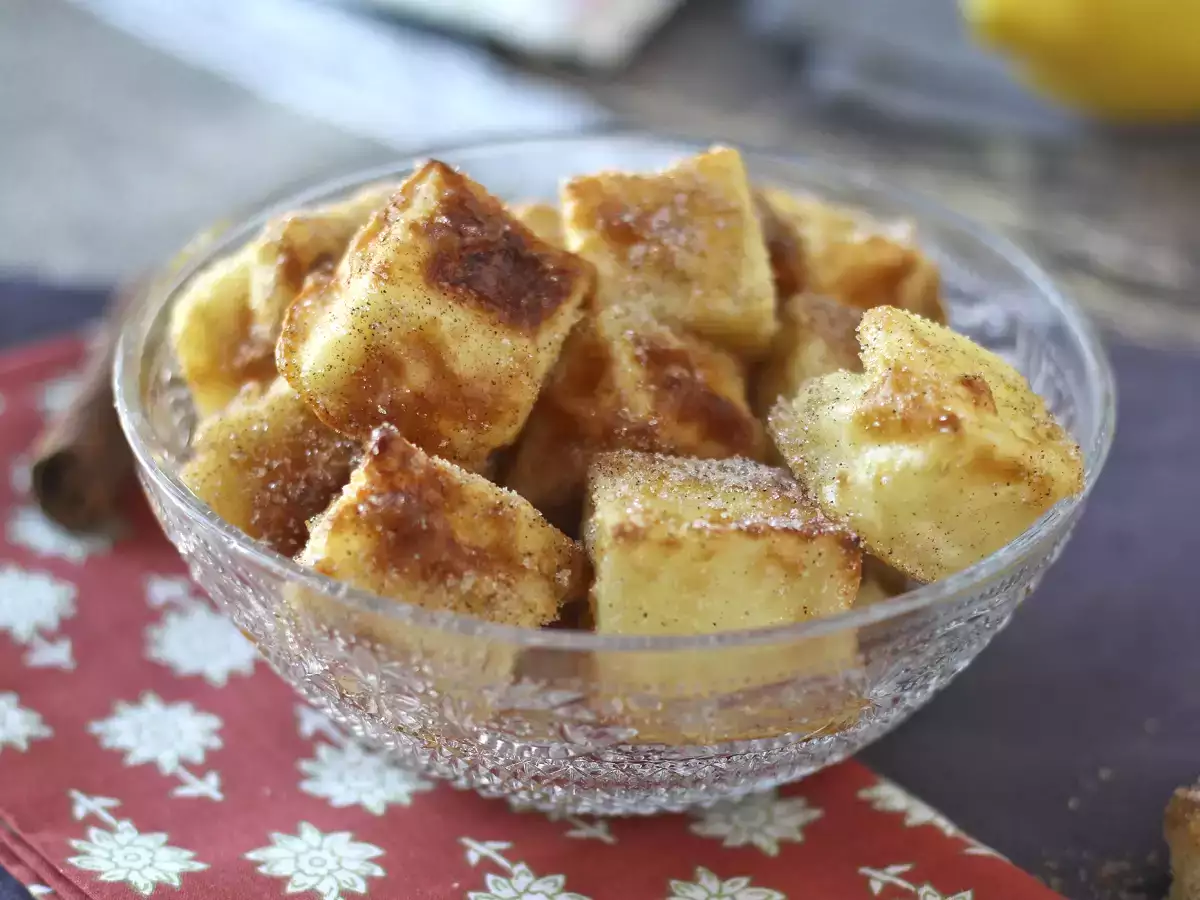
Who can resist good leche frita , with its smooth texture, unmistakable aroma of cinnamon and lemon, and classic flavor ? Although it is an Easter classic, this dessert can be enjoyed at any time of year. It takes us back to Grandma’s kitchen, to...
The interesting thing is not whether they taste the same, but why they still make sense
The question should not be whether these versions are identical to the usual ones. The more useful question is another: why does it make sense to continue cooking them this way? And the answer lies in today's cuisine, where the attachment to known flavors coexists with the search for cleaner, simpler methods that are easier to fit into a real routine.
Neither torrijas cease to be torrijas by passing through the airfryer nor leche frita loses its identity by reducing the oil. The important thing is that both are still recognizable at the first bite. They still smell of Easter, cinnamon, lemon, long after-dinner conversation and home cooking. They just change their gesture a little.
 Patricia González
Comments