Unlock juicy meatballs: discover 6 surprising tips beyond the sauce
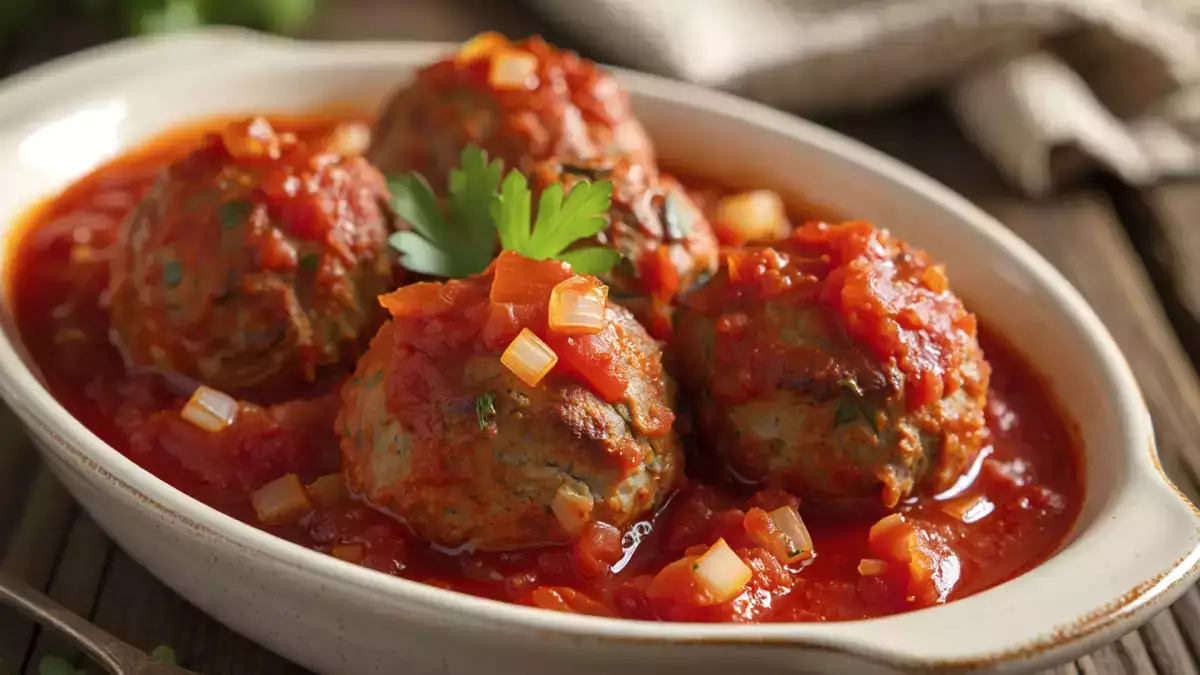
“Holy meatballs!” That’s basically the reaction a young guy had in a viral Instagram video when he realized his mom had made one of his favorite meals: homemade meatballs. Real ones. The kind that are tender, juicy, packed with flavor, and disappear from the plate way too fast.
Because let’s be honest: not all meatballs deserve that kind of excitement.
We’ve all had the disappointing version too: dry, rubbery meatballs that feel more like chewing on a golf ball than comfort food. And the funny thing is, most of the time the problem starts long before the sauce ever hits the pan. People mix ground meat, egg, and breadcrumbs “by feel,” shape them quickly, and hope the sauce will magically save everything later.
The good news? Truly juicy meatballs don’t require restaurant-level skills, expensive beef, or a secret grandmother recipe passed down for generations.
The difference usually comes down to a few simple techniques that cooks have relied on for years: choosing the right meat, adding moisture properly, mixing gently, letting the mixture rest, and cooking with patience instead of panic.
Because great meatballs aren’t just about holding together. They should be tender, flavorful, moist inside, and able to soak up sauce without turning dense or dry. These six tricks won’t turn you into a celebrity chef overnight, but they will seriously improve your meatball game.
1. Don’t use meat that’s too lean
This is probably the biggest mistake people make.
Meatballs need some fat. Not an excessive amount, but enough to keep them juicy during cooking.
That’s why so many classic recipes combine:
- ground beef
- and ground pork
The beef brings structure and deeper flavor.
The pork adds richness and tenderness.
If you use extra-lean meat only, the meatballs tend to dry out very quickly, especially after simmering.
A good balance for home cooking is:
- half beef, half pork
- or about two-thirds beef and one-third pork if you want a beefier flavor
In the U.S., many cooks prefer using ground beef around 80/20 or 85/15 rather than ultra-lean blends for this reason.
2. Add soaked bread: the real secret to tender meatballs
This changes everything.
Professional cooks often use something called a panade: bread soaked in milk, broth, or water that gets mixed into the meat.
And no, it’s not “filler.”
It’s actually a classic culinary technique that helps meatballs stay soft and moist.
Here’s why it works:
The soaked bread traps moisture and prevents the proteins in the meat from tightening too aggressively while cooking.
The result:
- softer texture
- juicier interior
- more tender bite
For about 1 pound (450 g) of meat, use roughly:
- 1 to 1½ cups soft bread pieces or fresh breadcrumbs
- plus a few tablespoons of milk or broth
The mixture should feel moist and soft, not soggy.
3. Mix gently, seriously
This part matters more than people think.
Ground meat should not be handled like bread dough.
The more you knead and compress it, the denser and tougher the meatballs become.
Instead:
- use your hands lightly
- mix just until combined
- stop as soon as everything looks evenly incorporated
That’s it.
Overmixing is one of the fastest ways to ruin texture.
4. Let the mixture rest before shaping
This small step makes a surprisingly big difference.
Resting the meat mixture for about:
20 to 30 minutes in the fridge allows:
- the bread to fully hydrate
- the seasoning to distribute evenly
- the mixture to firm up naturally
Cold meat also shapes much more easily.
And if the mixture feels too soft, chilling it is far better than dumping in extra dry breadcrumbs, which can make the final meatballs dry.
5. Brown them first, but don’t fully cook them
A proper sear adds huge flavor.
That golden crust creates depth and leaves behind flavorful browned bits in the pan that can enrich the sauce later.
But here’s the key:
The skillet is for browning, not fully cooking.
If the meatballs cook completely in the pan and then continue cooking in sauce afterward, they often end up dry.
Instead:
- brown the outside
- build color and flavor
- then finish gently in the sauce
That’s where the magic happens.
6. Finish cooking slowly in the sauce
Once browned, meatballs love a gentle simmer.
Cooking them slowly in sauce helps them:
- stay moist
- absorb flavor
- cook evenly all the way through
At the same time, the sauce becomes richer from the juices released by the meat.
The important thing is not to overdo it.
For medium-sized meatballs, about:
- 15 to 25 minutes
- over low heat
- is usually enough.
Too much cooking time can toughen them again.
The real secret to amazing meatballs
At the end of the day, there’s no magical ingredient.
The real difference comes from understanding how moisture, fat, temperature, and handling work together.
Because a good meatball shouldn’t feel dense or dry.
It should be tender, juicy, packed with flavor, and good enough to trigger the same reaction as that guy in the Instagram video:
“Holy meatballs!”
 Patricia González
Comments