Why Gen Z is rethinking chain restaurants backed by private equity
Thursday 24 September 2026 17:00 - Juliette Hess
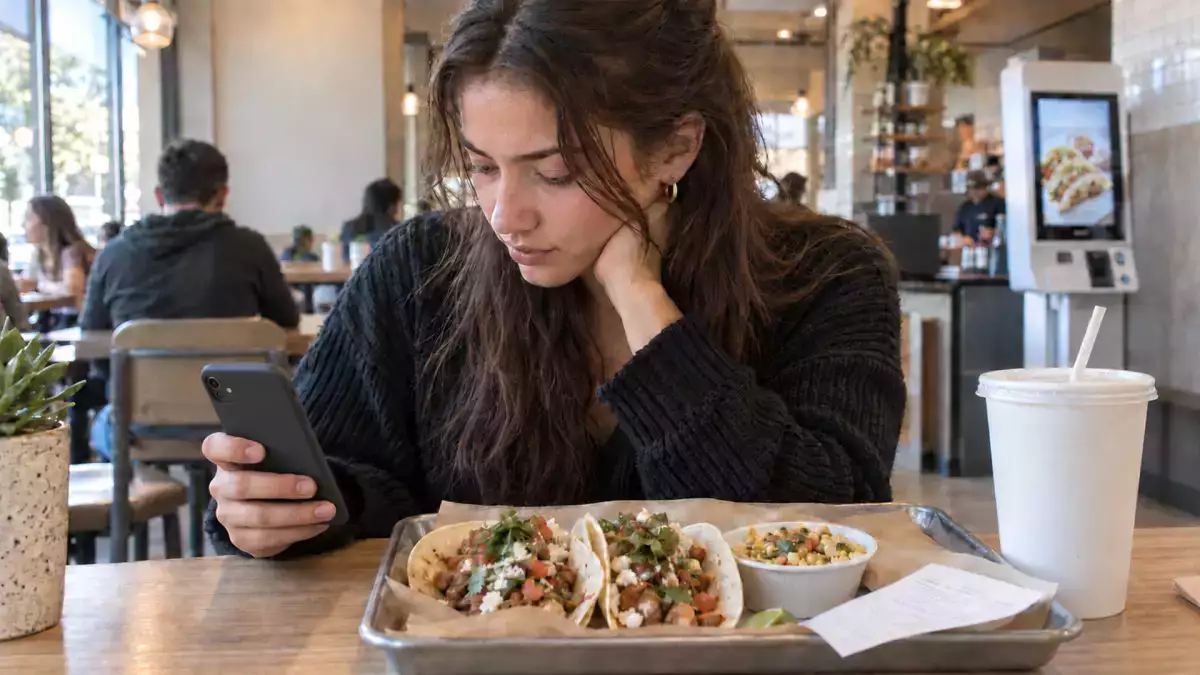
A restaurant debate that started with familiar favorites
The Guardian article focuses on a growing reaction to private-equity investment in popular food brands. One example is Los Tacos No 1, a New York taco spot that began in 2013, grew a loyal following and later expanded to several locations before receiving funding from TSG Consumer. For many fans, the announcement triggered a familiar fear: that a beloved restaurant might change once outside investment enters the picture.
The backlash was not only about one taco chain. It tapped into a broader feeling that more restaurants are becoming sleek, repeatable and corporate-looking. Diners described concerns about smaller portions, higher prices, touchscreen ordering, polished branding and interiors that could belong almost anywhere. For Gen Z, a generation used to decoding brands online, ownership has become part of the dining experience.
The backlash was not only about one taco chain. It tapped into a broader feeling that more restaurants are becoming sleek, repeatable and corporate-looking. Diners described concerns about smaller portions, higher prices, touchscreen ordering, polished branding and interiors that could belong almost anywhere. For Gen Z, a generation used to decoding brands online, ownership has become part of the dining experience.
Why private equity makes diners nervous
Private equity can sound abstract, but the concern diners express is very concrete: will the food get worse? According to the Guardian, critics argue that private equity firms invest in companies with the goal of growing and restructuring them for profit. In restaurants, that can raise fears about cost-cutting, staffing changes, ingredient choices and standardized menus.
The article quotes journalist Megan Greenwell, author of a book on private equity, who says that quality is often not the central priority when profit growth becomes the main goal. That idea has become a meme online: once a favorite place is bought or backed by private equity, people expect the charm to fade. Whether every criticism is fair or not, the perception matters because restaurants are emotional places. A taco, bagel, sandwich or cookie is not just a product; it can be part of someone’s routine, neighborhood and personal comfort.
The article quotes journalist Megan Greenwell, author of a book on private equity, who says that quality is often not the central priority when profit growth becomes the main goal. That idea has become a meme online: once a favorite place is bought or backed by private equity, people expect the charm to fade. Whether every criticism is fair or not, the perception matters because restaurants are emotional places. A taco, bagel, sandwich or cookie is not just a product; it can be part of someone’s routine, neighborhood and personal comfort.
Social media turned ownership into a menu issue
A key part of the story is how quickly the conversation spread on TikTok and other social platforms. Users began compiling lists of restaurants they believed were connected to private equity or venture capital, then recommending alternatives that felt more independent. The Guardian notes that the term “private equity” is sometimes used loosely online, even for restaurants that simply look overly polished or corporate.
This is important: Gen Z diners may not always be studying financial structures in detail, but they are highly alert to signals. A restaurant with a very curated Instagram, rapid expansion, merch before it has a clear local identity, or prices that feel inflated may be read as part of the same trend. In other words, the vibe has become evidence, even when the ownership details are more complicated.
This is important: Gen Z diners may not always be studying financial structures in detail, but they are highly alert to signals. A restaurant with a very curated Instagram, rapid expansion, merch before it has a clear local identity, or prices that feel inflated may be read as part of the same trend. In other words, the vibe has become evidence, even when the ownership details are more complicated.
The search for restaurants that feel local
One reason the debate resonates is that many young diners want food places with personality, history and neighborhood texture. The Guardian describes worries about the “same-ification” of New York: the feeling that a vibrant restaurant scene can start to resemble a suburban strip mall when the same concepts, aesthetics and investor-backed brands appear everywhere.
That does not mean every expanding restaurant is bad, or that every independent restaurant is perfect. But the desire is clear. Diners want places where the menu feels specific, the staff knows the rhythm of the neighborhood, and the food is not designed only to scale. For casual dining, authenticity is no longer just a marketing word. It is a reason people choose one lunch counter, bakery or taco shop over another.
That does not mean every expanding restaurant is bad, or that every independent restaurant is perfect. But the desire is clear. Diners want places where the menu feels specific, the staff knows the rhythm of the neighborhood, and the food is not designed only to scale. For casual dining, authenticity is no longer just a marketing word. It is a reason people choose one lunch counter, bakery or taco shop over another.
Why some restaurants still seek major backing
The article also explains why investment can look attractive to restaurant owners. Running a restaurant is difficult, especially in cities with high rent, high labor costs, expensive insurance and rising ingredient prices. For some founders, outside capital can seem like the only way to survive, grow or compete with bigger chains.
Private equity supporters argue that investment can bring capital, expertise and the ability to hire more workers or expand a promising business. That is the other side of the discussion: not every founder sees investment as selling out, and not every diner objects to growth. The tension comes from what happens after expansion begins. If growth keeps the food excellent and the restaurant culture intact, customers may accept it. If it brings higher prices, weaker quality or a generic atmosphere, the backlash can be swift.
Private equity supporters argue that investment can bring capital, expertise and the ability to hire more workers or expand a promising business. That is the other side of the discussion: not every founder sees investment as selling out, and not every diner objects to growth. The tension comes from what happens after expansion begins. If growth keeps the food excellent and the restaurant culture intact, customers may accept it. If it brings higher prices, weaker quality or a generic atmosphere, the backlash can be swift.
What this means for the future of eating out
The Gen Z reaction shows that the future of restaurants will not be judged only by flavor. Diners are also looking at ownership, transparency, values and consistency. A restaurant that expands quickly may need to work harder to prove that the original experience has not been diluted.
For food lovers, this debate is a reminder to pay attention to what makes a meal memorable: generous portions, good ingredients, friendly service, fair prices and a sense of place. For restaurant brands, the message is even clearer. Growth is not the problem by itself. The problem is growth that makes a restaurant feel less alive. In a dining culture shaped by social media, young consumers can turn that feeling into a conversation almost overnight.
For food lovers, this debate is a reminder to pay attention to what makes a meal memorable: generous portions, good ingredients, friendly service, fair prices and a sense of place. For restaurant brands, the message is even clearer. Growth is not the problem by itself. The problem is growth that makes a restaurant feel less alive. In a dining culture shaped by social media, young consumers can turn that feeling into a conversation almost overnight.
A simple takeaway for diners
Questioning restaurant ownership does not mean rejecting every chain. It means becoming more curious about where money flows, how menus change and whether the experience still feels worth the price. Gen Z diners are using the tools they know best — social media, shared lists, comments and recommendations — to protect the food experiences they value.
The next time a favorite spot announces a big investment or rapid expansion, the most useful question may be simple: does the food still taste like itself? If the answer is yes, loyalty may last. If the answer is no, today’s diners have plenty of ways to say so.
The next time a favorite spot announces a big investment or rapid expansion, the most useful question may be simple: does the food still taste like itself? If the answer is yes, loyalty may last. If the answer is no, today’s diners have plenty of ways to say so.
 Juliette Hess
I have been creating culinary content for Petitchef since 2017.
I love travelling and discovering new dishes, trying out new food trends and exploring new restaurants.
I’m a huge fan of pasta and noodles in all their forms ❤ from udon noodles to tagliatelle, I love cooking them and even making them from scratch!
I’m currently preparing, filming and photographing your next recipe, and I hope you’ll enjoy it!
I love travelling and discovering new dishes, trying out new food trends and exploring new restaurants.
I’m a huge fan of pasta and noodles in all their forms ❤ from udon noodles to tagliatelle, I love cooking them and even making them from scratch!
I’m currently preparing, filming and photographing your next recipe, and I hope you’ll enjoy it!
Comments