Why supermarket apples are so shiny? What experts say about wax, pesticides, safety and washing
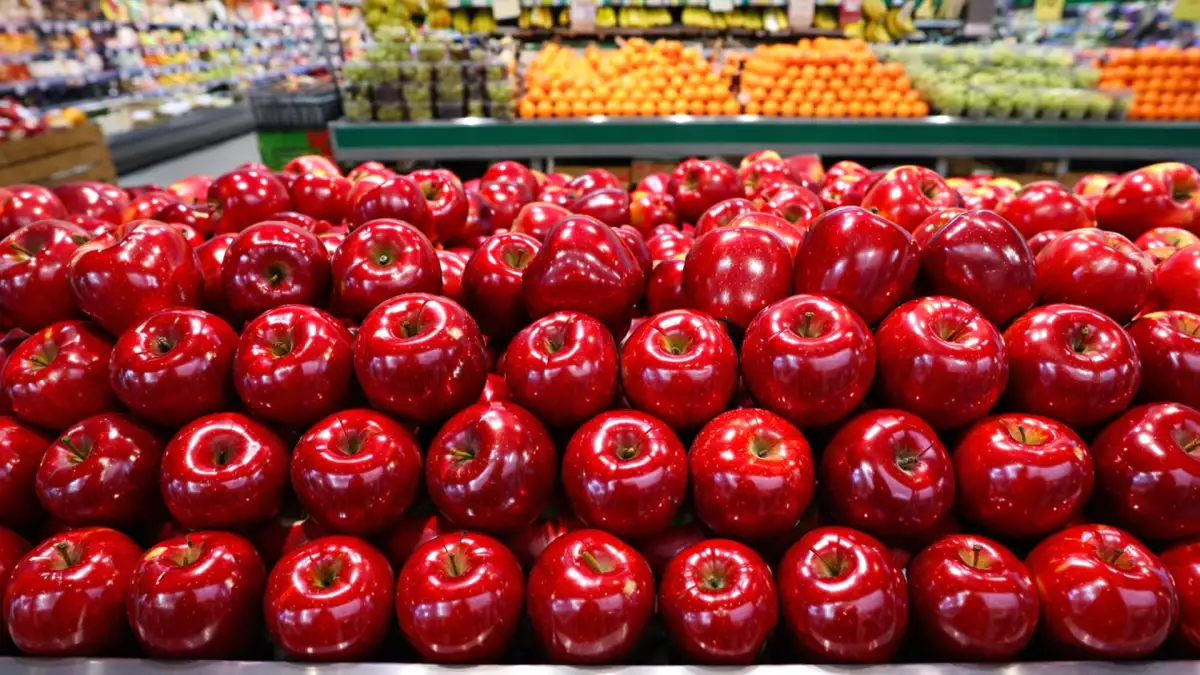
Have you ever stood in front of a supermarket shelf and been almost mesmerized by the shine of certain apples? They look too perfect, with a smooth, gleaming surface, almost as if they had been carefully polished one by one before they got there. Among so many fruits, these are the ones that attract the most attention, and it's no coincidence. This intense shine awakens an immediate feeling of freshness, quality and even taste, as if that apple were automatically better than the others.
But there is a curious detail that few people realize: this impeccable appearance may not be as natural as it seems. Behind this almost "artificial" shine, there is a specific process that raises doubts and even some suspicion. After all, are these apples really fresher or is there a less obvious explanation for this attractive look? Understanding what lies behind this appearance could completely change the way you choose your fruit at the supermarket.
Glitter isn't exactly what you think
Contrary to what many people think, this shiny appearance doesn't just come from the freshness of the fruit.
In fact, most apples sold in supermarkets go through a process called waxing.
Yes, they receive a thin layer of wax.
Why do they put wax on apples?
The explanation is less suspicious than it sounds - and it even makes sense:
Apples already have a natural wax, but it is lost during industrial washing.
To preserve the fruit better, producers apply an edible wax.
This layer helps to:
- prevent water loss
- prolong shelf life
- keep the fruit looking "fresh" for longer
And of course... leave that irresistible shine that draws attention on the shelf.
But is it safe?
Yes, in general, the waxes used are approved for consumption.
They can be made from:
- carnauba wax (vegetable origin)
- beeswax
- or other food-safe compounds
In other words: it's not toxic.
So why does this bother some people?
Because shine can give the impression of something "artificial" or manipulated.
In addition:
- the coating can trap pesticide residues
- some people prefer their food to be as natural as possible
What can you do before you eat?
If this worries you, there is a simple solution:
- wash thoroughly under running water
- scrub lightly with your hands or a brush
- or use a light mixture of water and bicarbonate
This helps a lot to remove the surface.
It's not just aesthetic
That intense shine on your apples isn't there by chance.
It's the result of a process designed to preserve, protect and sell better.
In the end, it's not exactly a problem - but understanding what's behind it completely changes the way you look at these fruits in the supermarket.
 Mirella Mendonça
Comments