5 everyday kitchen ingredients that quietly damage your knives: what to avoid to keep edges sharp
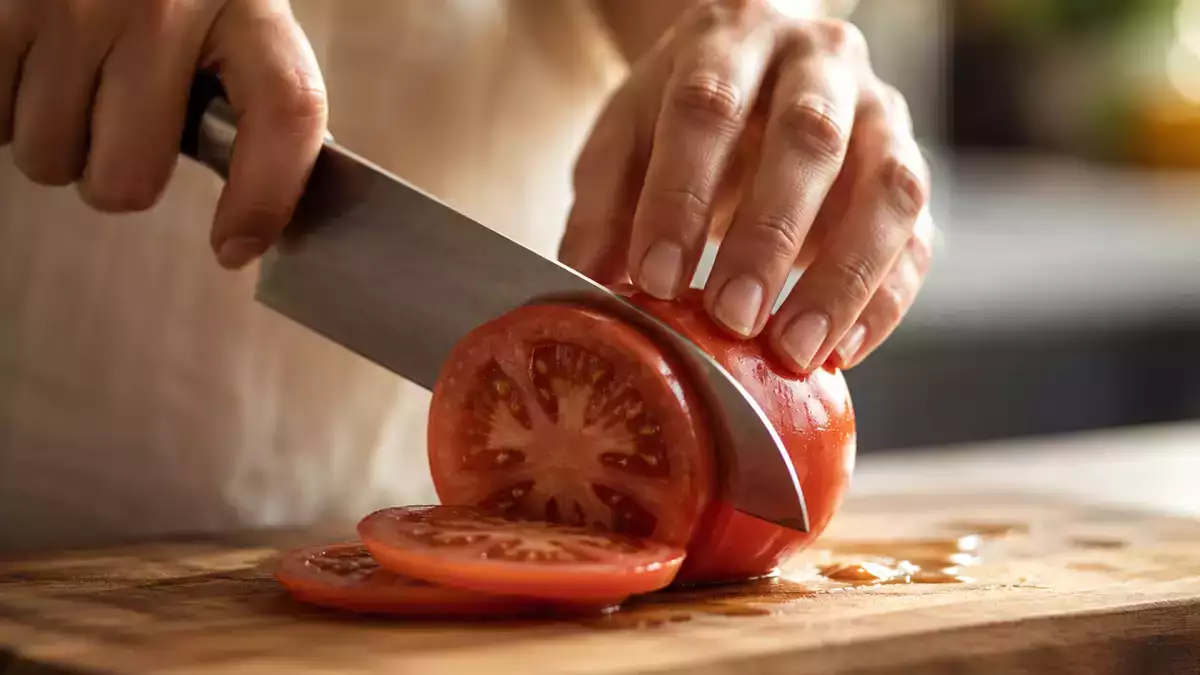
Some knives don’t get damaged all at once. They don’t snap, break, or fall on the floor every other day. They simply start cutting worse. First, it becomes harder to slice through the skin of a tomato. Then the onion gets crushed instead of sliced cleanly. And then comes that familiar, dangerous gesture: using more force.
We usually blame the sharpening, the drawer, the dishwasher, or the cutting board — and most of the time, there’s some truth to that. But there’s another, less obvious culprit: some everyday ingredients can encourage stains, oxidation, or small damage on the blade if the knife is left dirty for too long.
There’s no need to stop using these ingredients or treat your knives like museum pieces. You just need to understand what happens to the blade when acidity, salt, and moisture are involved — and why certain foods shouldn’t stay stuck to the steel any longer than necessary.
1. Lemon and other citrus fruits: small, acidic, and persistent
Lemon seems harmless because we use it everywhere: fish, dressings, sauces, mayonnaise, freshly cut fruit… But its acidity doesn’t get along equally well with every blade.
On a carbon steel knife, lemon juice can encourage staining, darkening, or an uneven patina if it stays on the metal too long. On a good-quality stainless steel knife, cutting a lemon shouldn’t cause any serious damage, but leaving juice on the blade still isn’t a great habit.
The problem isn’t cutting the lemon. The problem is letting the juice dry on the blade or near the edge. That’s when marks can appear, along with that dull, neglected look that gives away poor care.
2. Tomato: acidic, juicy, and more treacherous than it looks
Tomato is often the ultimate test of whether a knife is sharp, but it doesn’t just demand a good edge. It also leaves behind juice, seeds, pulp, and acidity.
It won’t ruin a knife in two minutes, of course. But that acidic moisture can encourage stains or surface marks, especially on carbon steel or lower-quality stainless steel.
And if the edge is already struggling, tomato exposes the problem immediately. Instead of slicing cleanly, the blade crushes the flesh and ends up covered in juice.
3. Pickles, olives, and capers: acid plus salt
Pickles, olives, capers, cocktail onions, and pickled peppers combine three things metal doesn’t love: acidity, salt, and moisture. They may be small, everyday ingredients, but the liquid they leave on a blade can be surprisingly aggressive.
Cutting a few olives won’t destroy your knife, but it’s best not to leave it sitting on the cutting board while you finish assembling the appetizer. On carbon steel, the marks show up sooner. On stainless steel, resistance is higher, but “stainless” doesn’t mean the blade can spend hours covered in brine without consequences.
4. Vinegar, pickled foods, and marinades: damage happens when you’re not looking
Vinegar doesn’t always touch the knife directly, but it appears in vinaigrettes, pickles, marinades, dressed salads, and preserved vegetables. The issue comes when you cut foods soaked in acidic and salty mixtures, or when you use the blade to drag those wet leftovers across the board.
Acid, salt, water, and time are not a good combination for metal. On a quality stainless steel knife, you might only get a mark. On carbon steel, dark spots, uneven staining, or even tiny rust marks can appear more quickly.
That’s why it’s better not to use your knife like a scraper or shovel. The longer it stays in contact with wet dressings and acidic residue, the more likely it is to leave a trace.
5. Salt and very salty foods: the quiet enemy
Salt seems less dramatic than lemon or vinegar, but when moisture is involved, it can be just as irritating for metal.
This isn’t about seasoning food normally. It’s about cutting very salty or brined ingredients: olives, anchovies, cheeses stored in liquid, cured foods, or marinated items.
Cutting anchovies won’t ruin your knife. But leaving salty residue stuck to the blade is another story. Salt on a wet metal surface can encourage small corrosion marks that don’t always appear immediately, but over time they dull the clean, well-kept look of the knife.
The habit that prevents almost all of these problems
You don’t need to be afraid of cooking. A good knife is made to work.
But if you want it to cut well for longer, keep these habits in mind:
- wash it by hand
- dry it immediately
- don’t leave it soaking
- don’t put it in the dishwasher
- use a knife-friendly cutting board, like wood or good-quality plastic
- avoid metal, marble, or glass boards
- sharpen it and hone it regularly
The edge isn’t protected only when you sharpen it. It’s protected every time you cut, clean, dry, and store the knife properly.
In the end, lemon, tomatoes, and pickles aren’t the real enemies. The real problem is what happens afterward: leaving the knife dirty, wet, and forgotten.
Everything else is just asking steel to have more patience than it actually has.
 Patricia González
Comments