Meatless barbecue made better: vegetables, fruit, cheese and legumes that truly shine on the grill
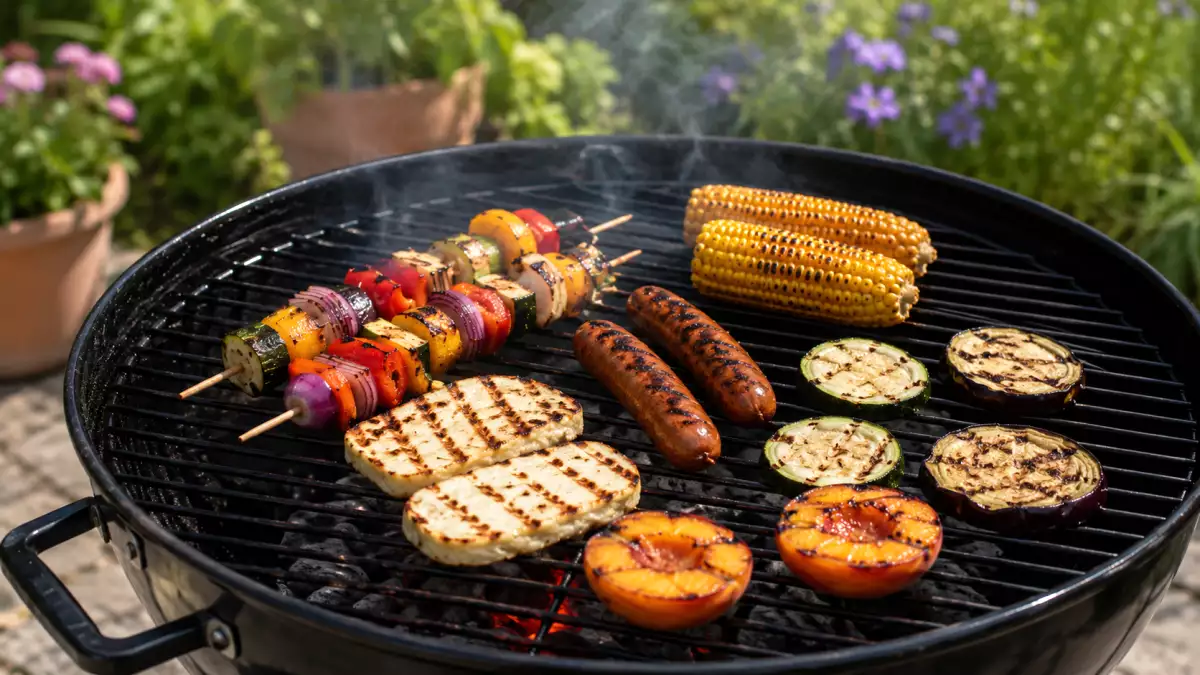
It’s not just a matter of trends. A meatless barbecue can be lighter, more economical depending on the ingredients chosen, easier to adapt to guests’ preferences, and very convenient when you want to mix up your summer meals. Zucchini, eggplant, bell peppers, potatoes, halloumi, chickpeas, watermelon, or peaches don’t replace meat in exactly the same way, but they bring something else to the table: color, contrast, melt-in-your-mouth texture, crunch, and plenty of flavor.
The most important thing is not to treat them as mere side dishes. A vegetable that’s cut just right, seasoned well, and grilled to perfection can become the centerpiece of the plate. A cheese that holds up well when heated can replace the traditional skewer. A legume salad or falafels add a more filling element. And a few pieces of fruit warmed up instantly give the meal a more original touch.
Why is plant-based grilling gaining popularity?
What’s particularly interesting is what this reveals: many people don’t necessarily want to give up meat, but they do want to eat it less often, vary their meals, or offer several options at the table. This is exactly the spirit of flexitarianism: maintaining a convivial atmosphere while opening up the grill to other ingredients.
This trend is also evident in food news. For example, on June 29, 2026, HappyVore organized an event in Paris billed as the world’s largest plant-based barbecue, with over 2,000 participants and more than 30,000 plant-based products distributed. Once again, the key takeaway isn’t that we should turn every barbecue into a 100% plant-based meal, but that meatless barbecues are no longer a fringe idea.
Grilled vegetables: the simplest base
The rule is simple: avoid pieces that are too small, as they’ll fall through the grill grates or burn too quickly. Zucchini can be cut into long strips or chunks for skewers. Eggplant does best when cooked a bit more gently, with enough oil to keep it from drying out. Bell peppers develop more flavor when they blacken slightly before being peeled or served as is.
To add some character, consider using marinades: olive oil, garlic, lemon, herbes de Provence, paprika, soy sauce, honey, vinegar, or mild chili pepper. The goal isn’t to mask the vegetable’s natural flavor, but to help it become a full-fledged dish.
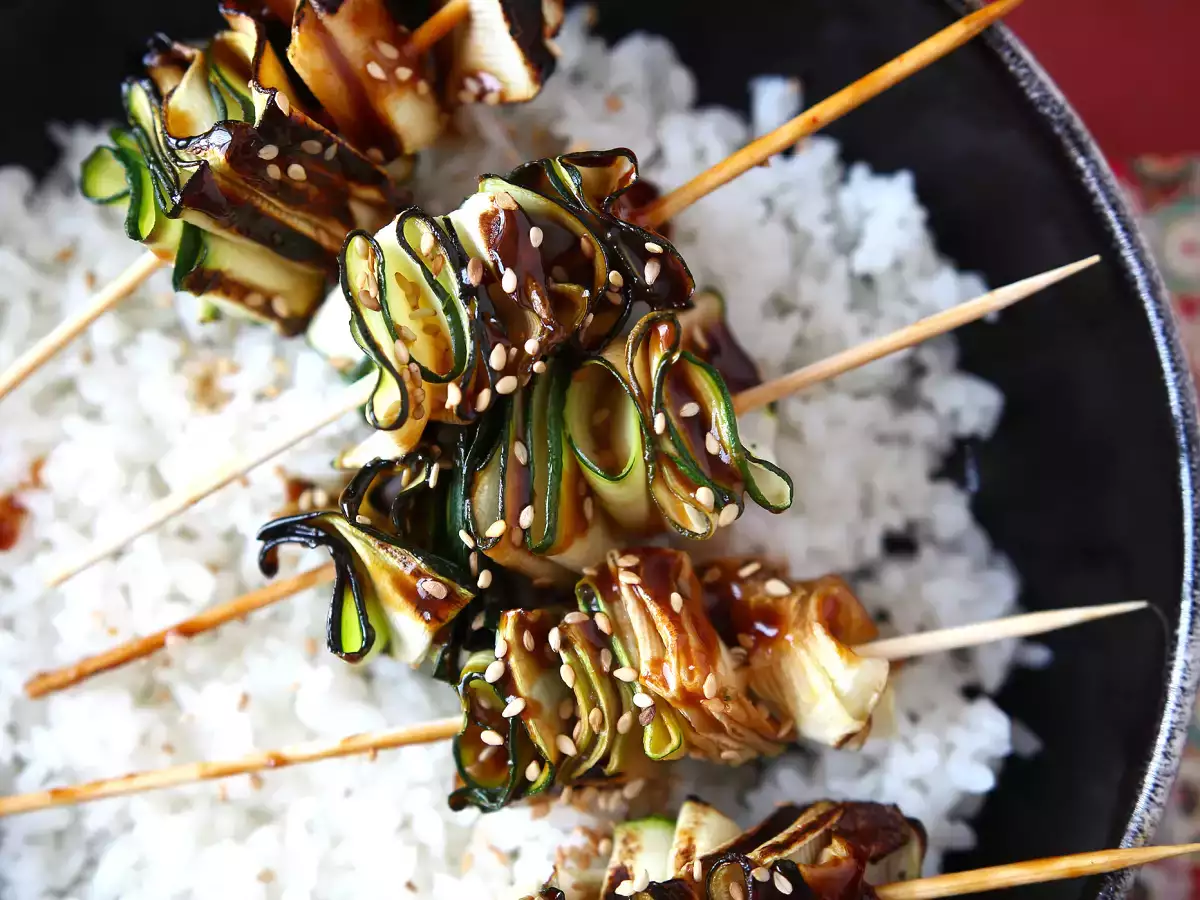
Here's a vegetarian recipe idea that's perfect for summer barbecues or an original appetizer: Asian-style zucchini skewers ! This sauce adds a spicy, sweet-and-savory touch that enhances the taste of the zucchini , making every bite irresistible...
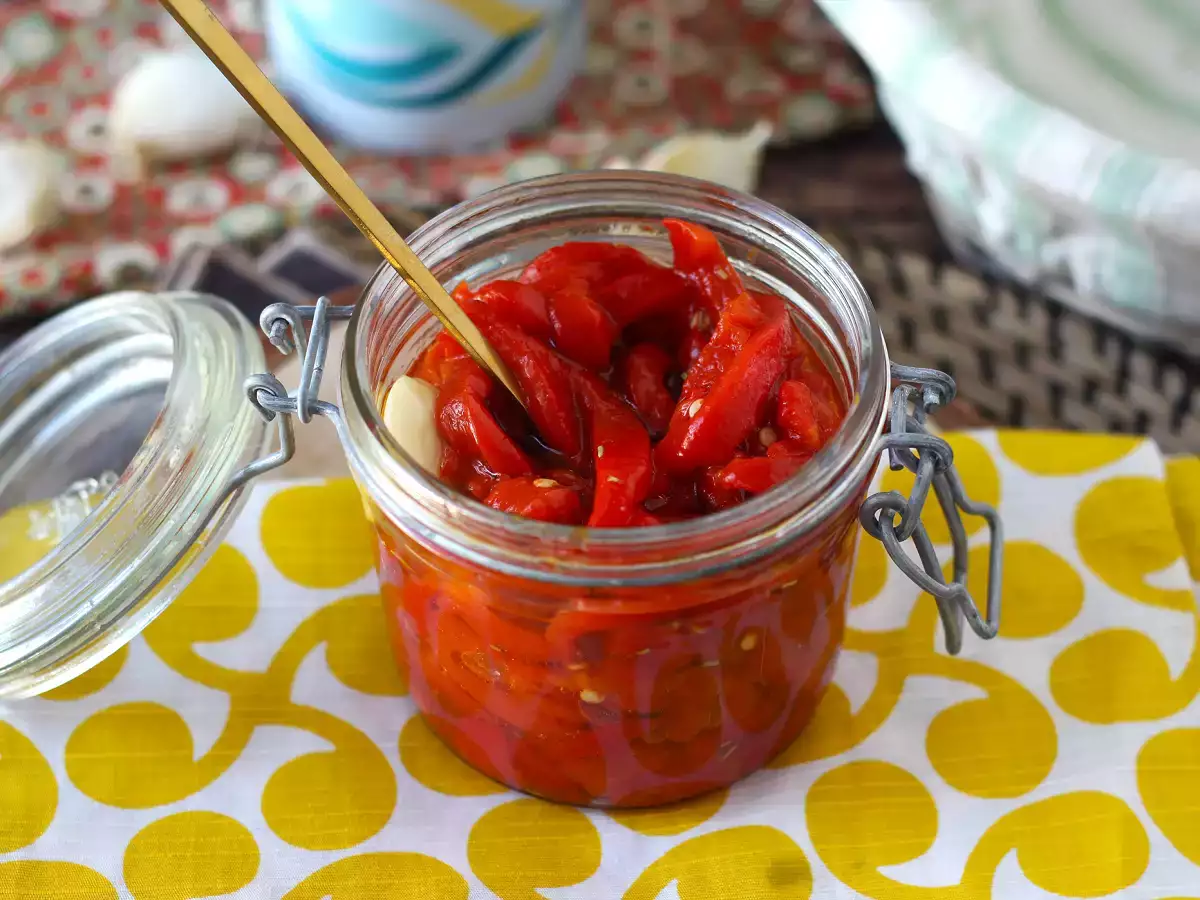
Very easy to prepare , quick and inexpensive, this air-fryer-roasted pepper salad is sure to become one of your favorite summer dishes. The great thing about this recipe is that you can serve it in several ways: as a side dish with meat, as a...
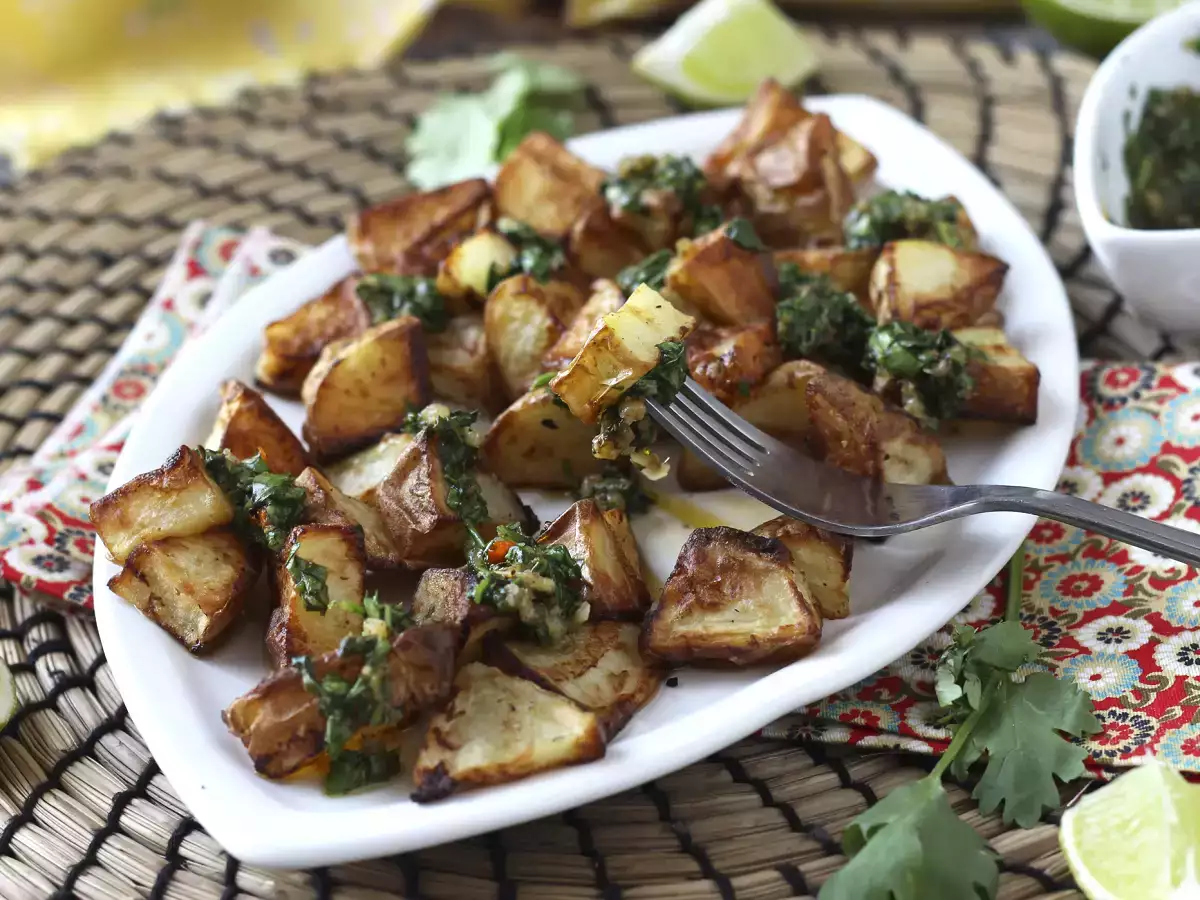
Tired of the same old potatoes ? We have a flavorful option you won't be able to resist! Oven-roasted potatoes, crispy and juicy, wrapped in a fresh and aromatic chimichurri sauce . We promise that with every bite, your taste buds will explode with...
Grilled cheese: an option that never fails to impress
Halloumi works very well in thick slices, on skewers, or in a pita with raw vegetables. It offers a heartier texture than a simple grilled vegetable, making it a great option for a vegetarian barbecue. With a little honey, rosemary, lemon, or a yogurt sauce, it quickly becomes the star of the table.
You can also try feta in foil packets, a roasted Camembert to share, or fresh cheeses added after cooking to vegetables that are still warm. A good tip: choose your cheese based on the desired result. For direct grilling, you’ll need a cheese that holds its shape well. To top a dish or make it more indulgent, you can add it afterward.
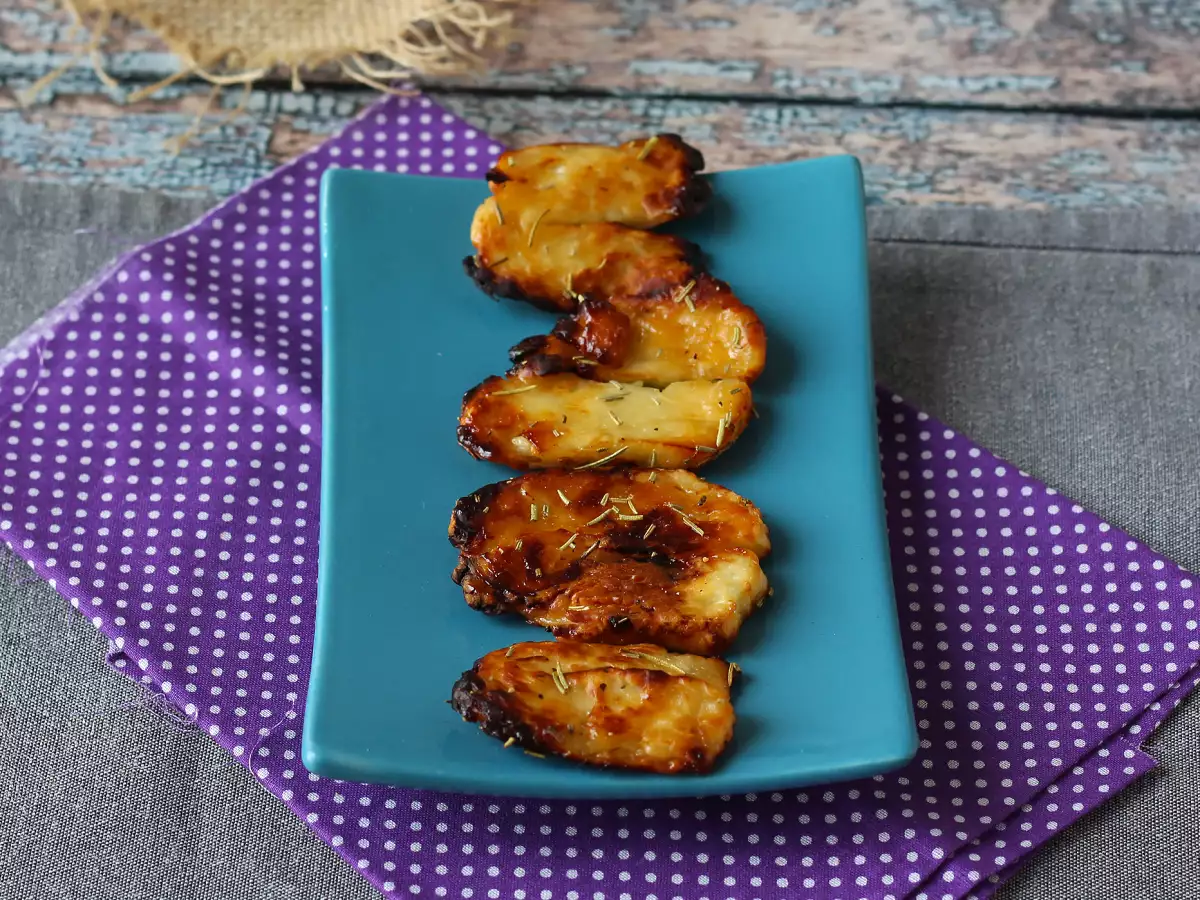
Do you know what halloumi is? That firm-textured Cypriot cheese ? Well, if you haven't, don't miss out! We've decided to grill it in the Air Fryer with a little honey and herbes de Provence, perfect for adding to a salad or putting on toast :-)
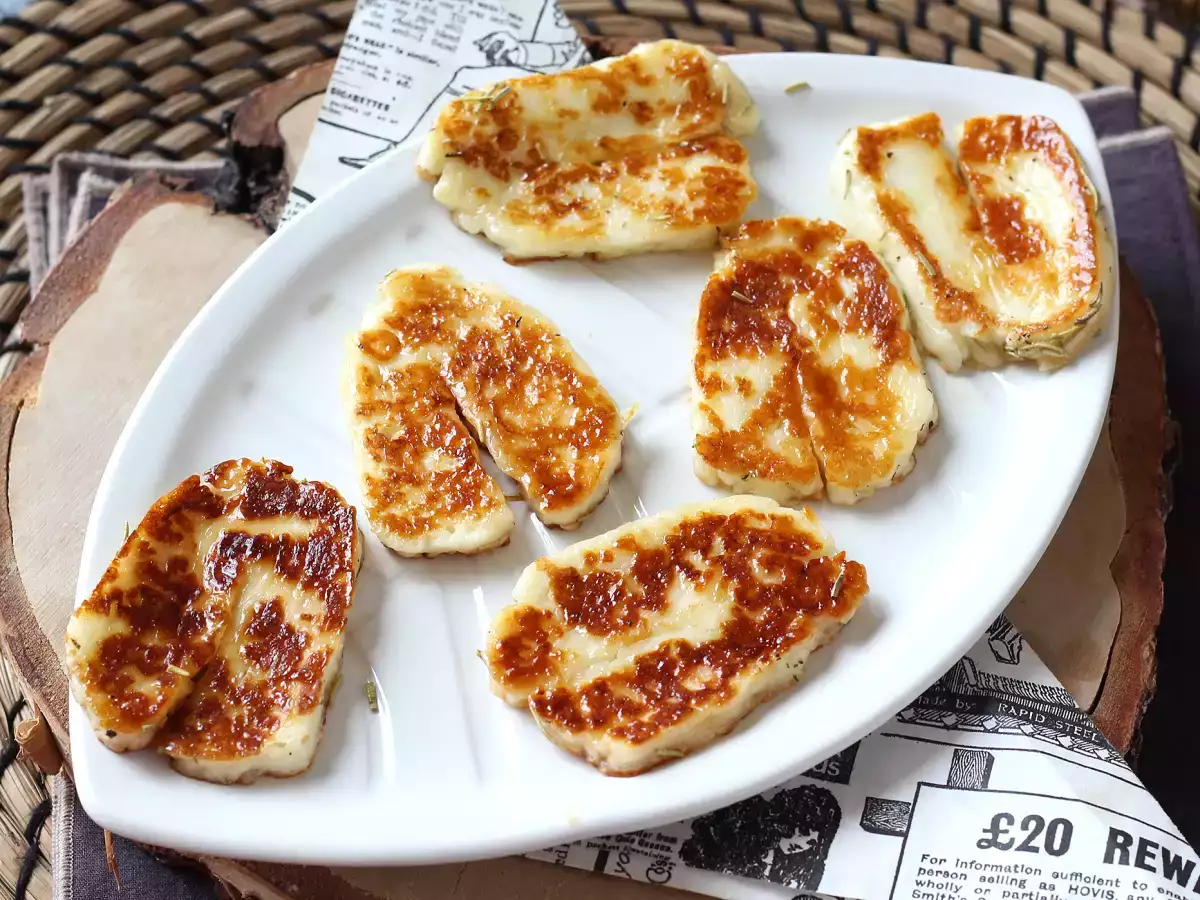
Have you ever tried halloumi in a sweet-and-savory version? If not, it's time to discover this delicious combination with honey ! This cheese, widely used in Mediterranean cuisine , goes wonderfully with a drizzle of honey and rosemary. Whether...
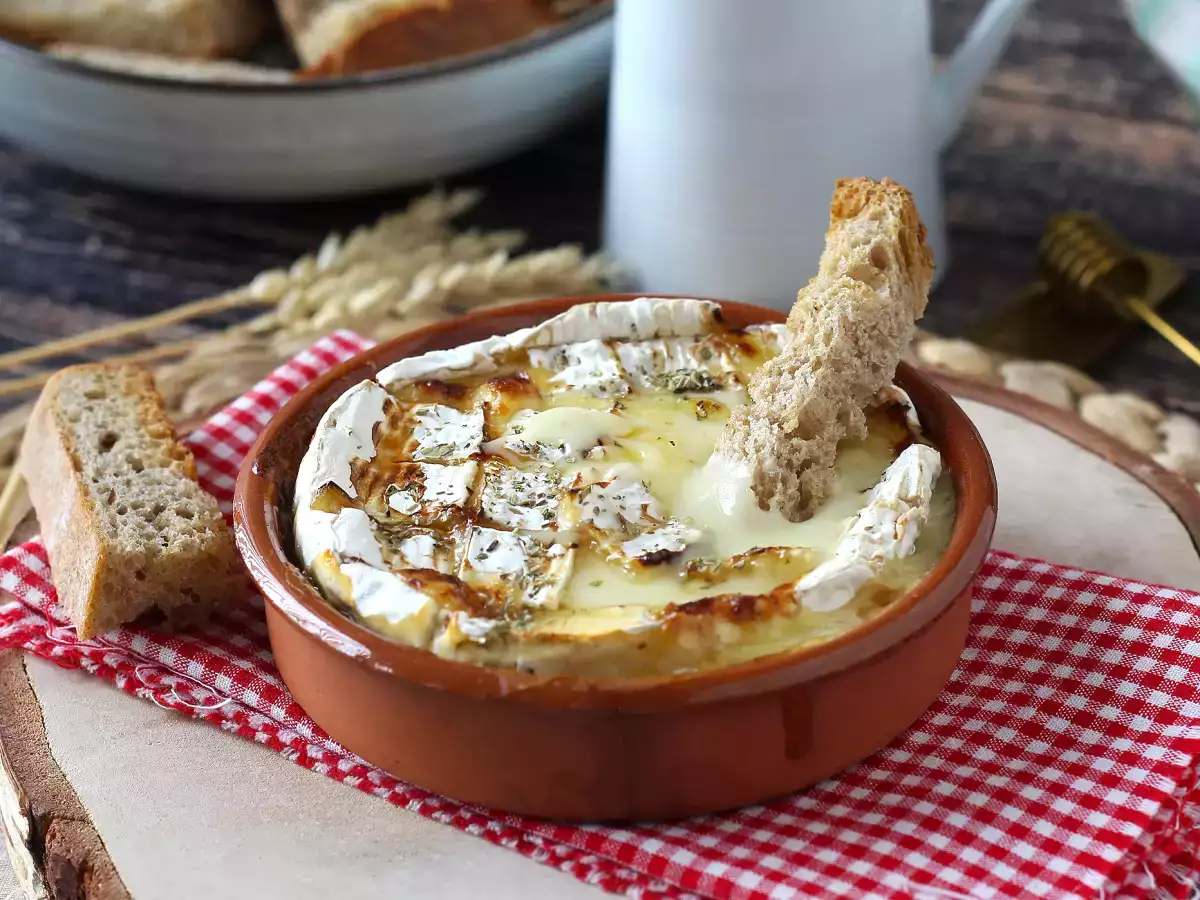
Imagine a perfectly roasted, wonderfully gooey Camembert made in an Air Fryer... Served with slices of toasted country bread flavored with olive oil :-) This simple, delicious dish is ideal for fans of gooey cheese. With a touch of honey and a...
Grilled fruit: a surprising idea that actually works
The easiest way is to cut them into large wedges, brush them very lightly with oil or honey, and then grill them quickly. They can then be served with cheese, a salad, burrata, fresh herbs, or a few dried fruits. It doesn’t have to be a dessert: a grilled peach with arugula and burrata can easily become a savory appetizer or a dish to share.
For a meatless barbecue, fruit also helps prevent the meal from feeling too monotonous. It adds freshness, acidity, and a sweet-and-salty touch that brings the whole meal to life.
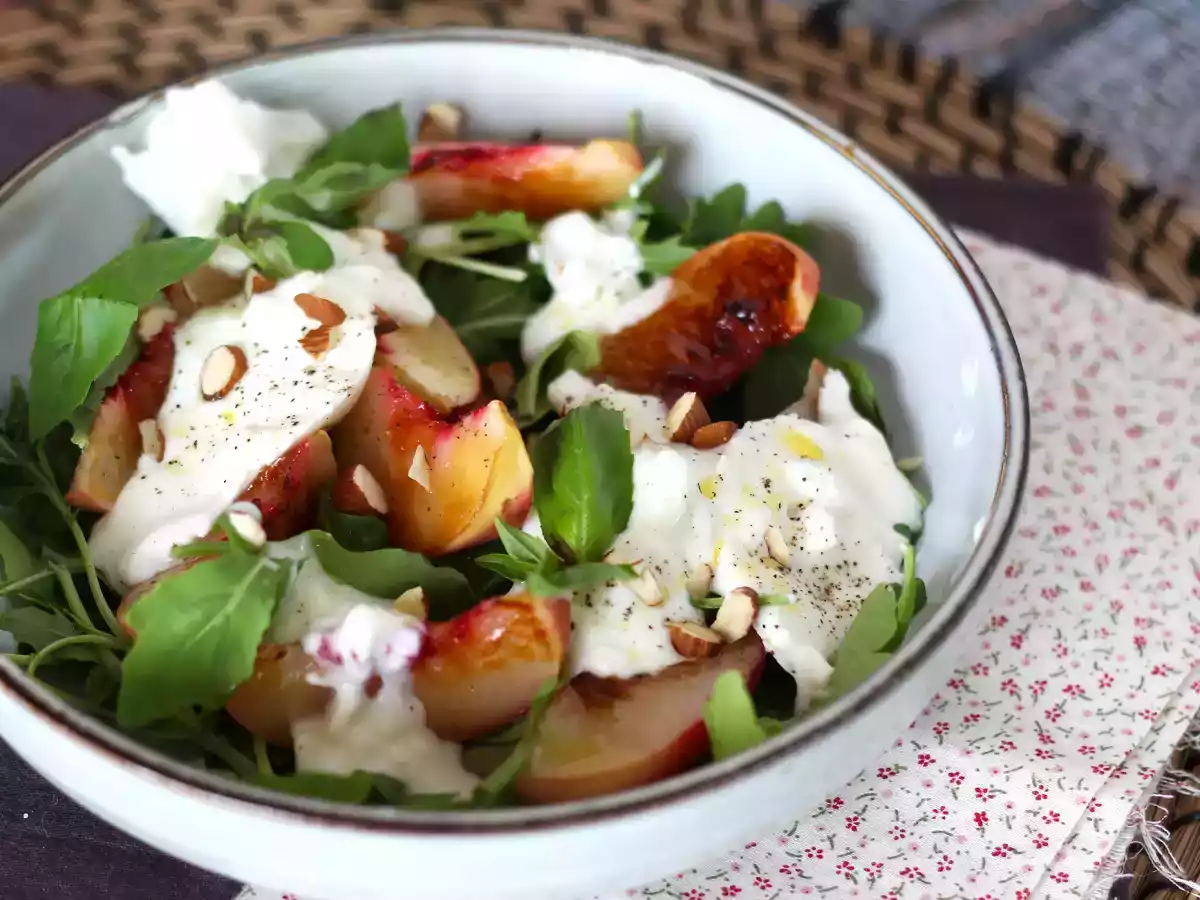
Fruit in a savory salad ? Yes, really! We can assure you that this combination of flavors will win you over ♥ At first, we were just as unsure as you might be about adding roasted peaches to our salad. Then came the tasting—and what a revelation!...
Legumes and plant-based alternatives: for a meal that really fills you up
Roasted chickpeas can be served as an appetizer, falafels can be enjoyed with pita bread and raw vegetables, and a lentil salad can accompany grilled vegetables. These dishes are easy to prepare in advance, which means you don’t have to rush to get everything ready at the last minute by the grill.
Ready-to-grill plant-based alternatives can also come in handy, especially when hosting guests with different dietary preferences. They aren’t essential, but they can help maintain the classic barbecue experience: sausages, burgers, skewers, sides, and sauces. The key tip remains the same: read the cooking instructions and don’t treat them exactly like meat, since the cooking time may be shorter.
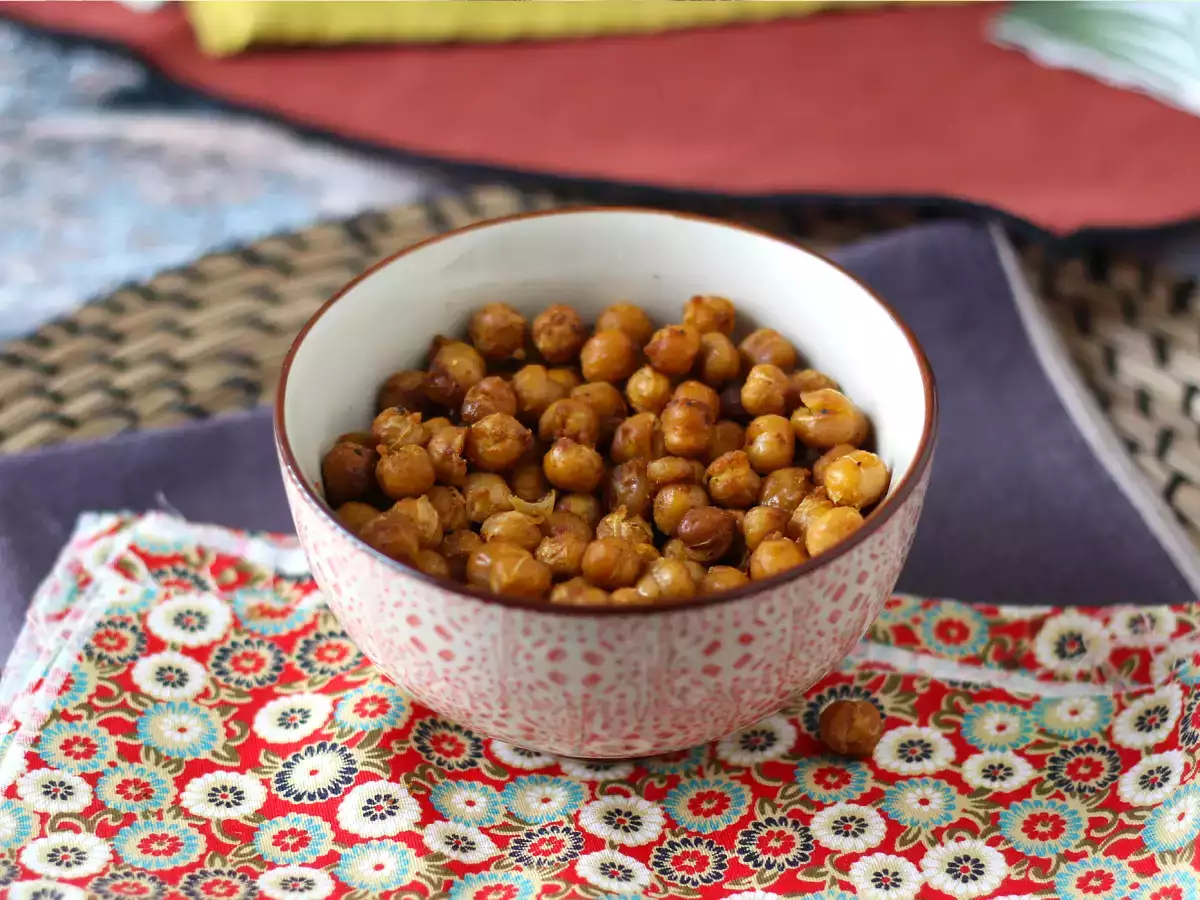
How about replacing chips and sausage for the aperitif with delicious chickpeas roasted in the Air Fryer ? Not only is this recipe super-easy to make, all you need is a can of already-cooked chickpeas and your favorite spices . The result?...
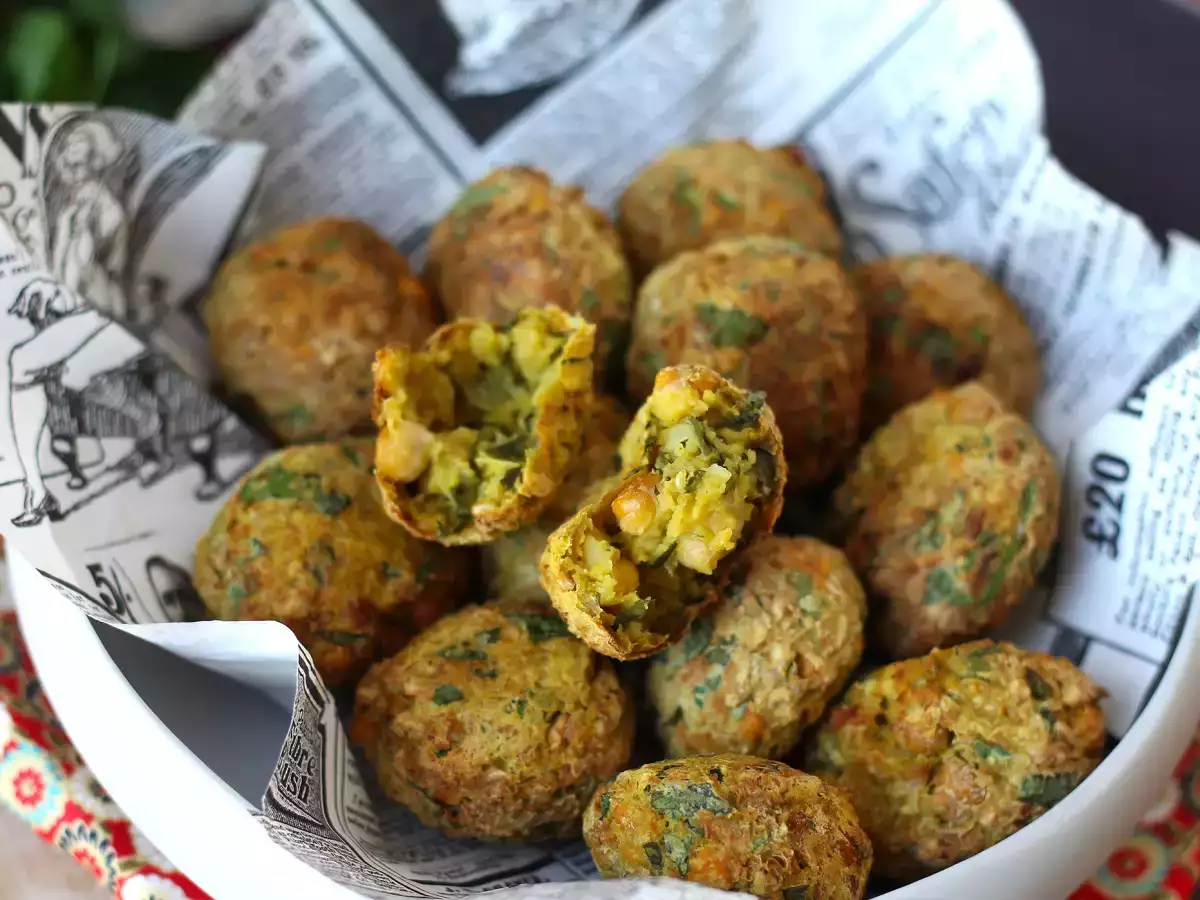
Lovers of Middle Eastern cuisine are bound to know falafel . These little vegetarian balls, made from chickpeas , are packed with flavor and are usually deep-fried. But today, we’ve decided to make a healthier version that’s just as delicious,...
How can you put together a meatless barbecue that doesn't just feel like a "side dish"?
The sauce makes all the difference. Chimichurri, tzatziki, hummus, yogurt sauce, or a lemony vinaigrette can transform grilled vegetables into a truly satisfying meal. Add some bread, grains, potatoes, or a legume salad, and no one will feel like they’re eating “just vegetables.”
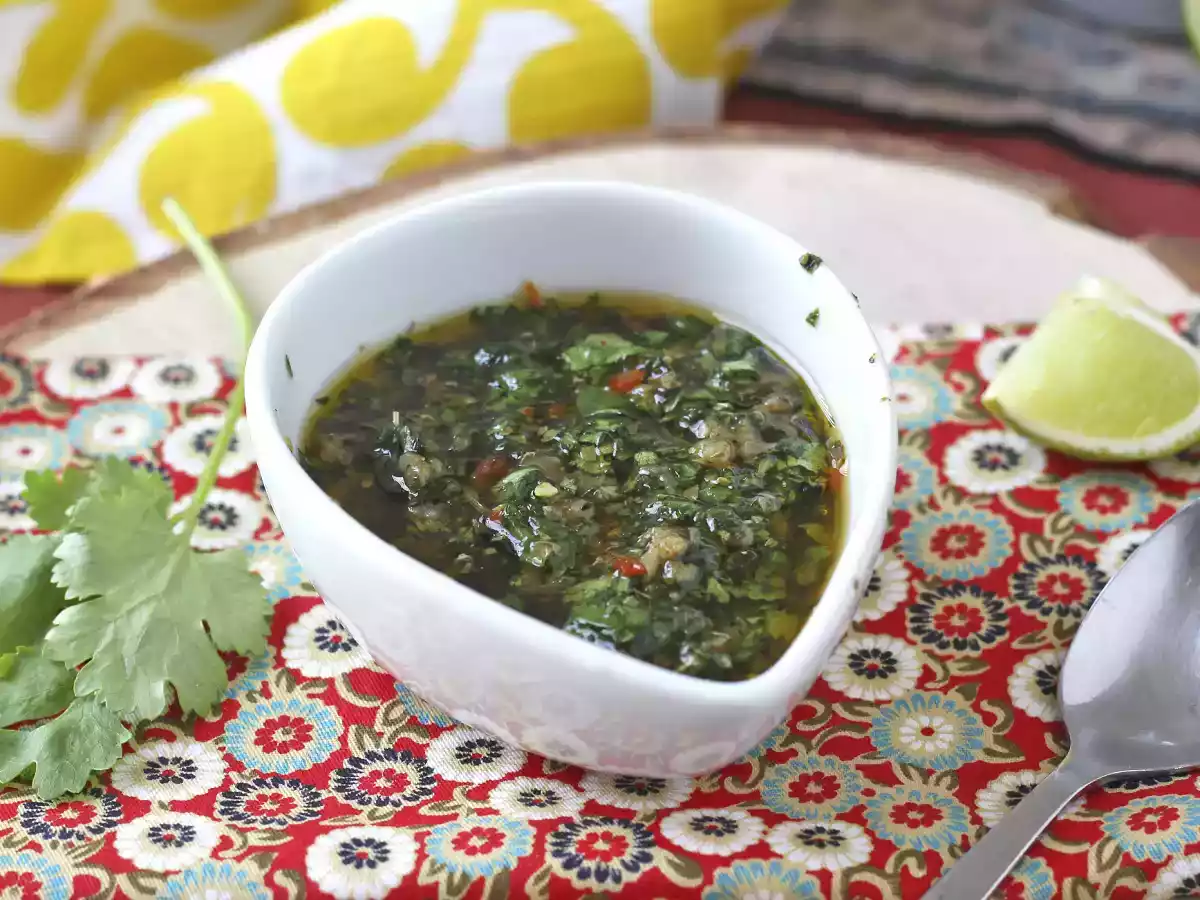
In Argentina, there is no asado without chimichurri —and rightly so! This delicious and versatile sauce not only enhances the flavor of meats, fish and vegetables, but also adds a touch of freshness and spiciness that makes it irresistible. Renowned...
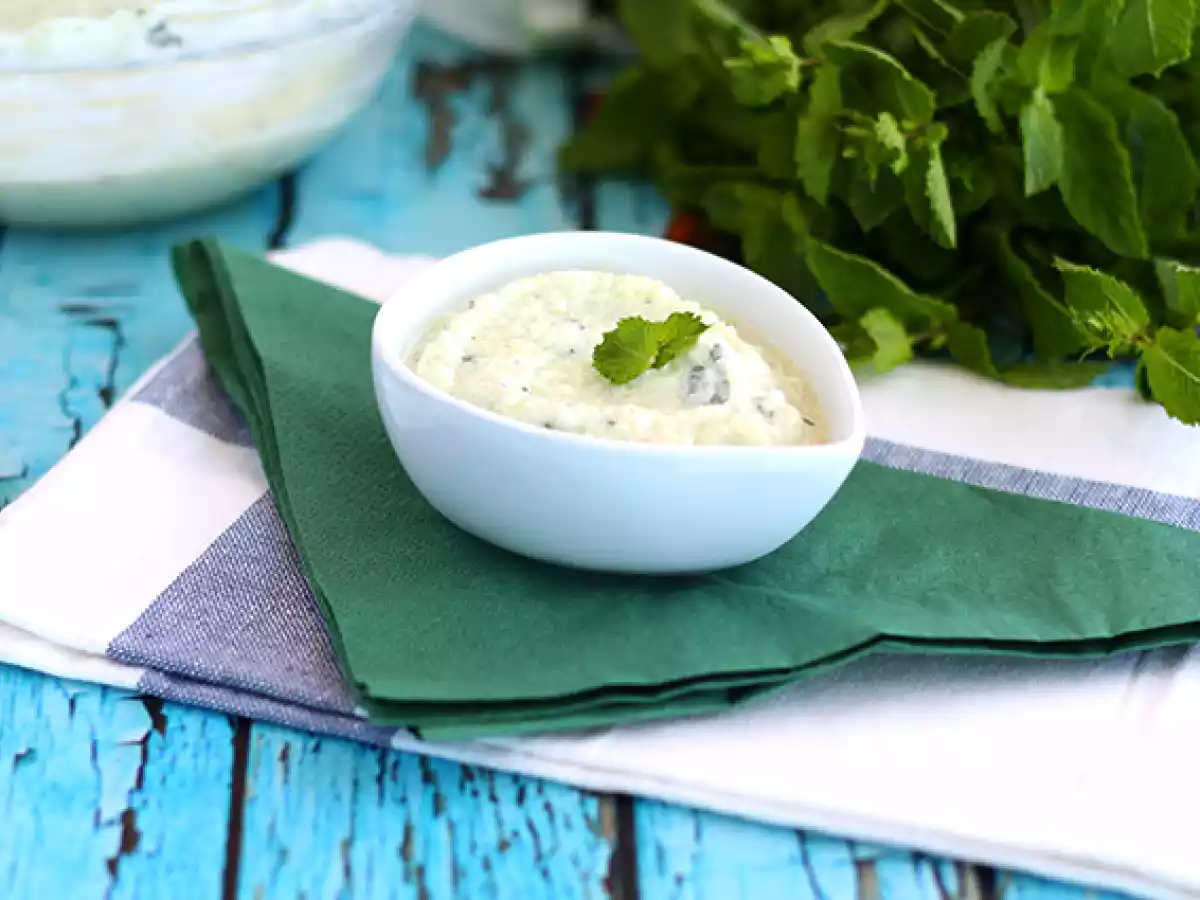
A trip to Greece on the horizon? You can't miss out on the famous tzatziki, or Greek cucumber dip :-) Today, we're sharing a homemade version with a recipe so simple it's foolproof! A great opportunity to serve your guests a dip with their appetizers,...
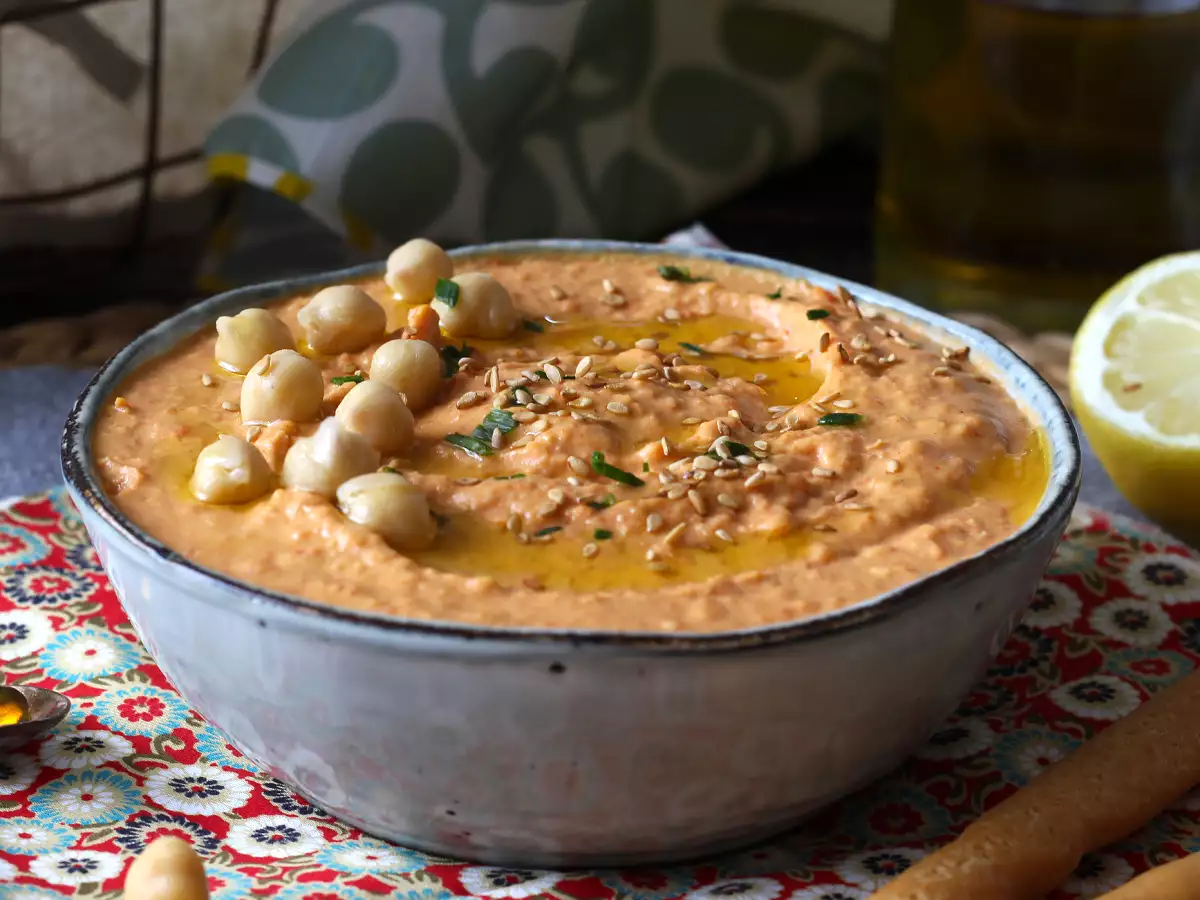
Hummus is a delicious, creamy chickpea paste originating in the Middle East, and it is full of flavor. In the original recipe , there is no red bell pepper , but here we decided to give it a special touch, and it turned out simply irresistible and...
What to avoid when grilling vegetables
Another important point: don’t put all the ingredients on the grill at the same time. A zucchini, a potato, halloumi, and a peach don’t all require the same cooking time. It’s best to start with what takes the longest, then add the more delicate ingredients toward the end.
Finally, be careful with very juicy fruits and cheeses that melt quickly. Use a baking sheet, a griddle, a fine-mesh grill, or foil packets if necessary. Meatless grilling is simple, but it requires a bit of organization to avoid ingredients that are charred on one side and barely warm on the other.
Why this way of cooking is also about the environment
This doesn’t mean we have to do away with all traditional grilled dishes. But adding more vegetables, legumes, and plant-based options already adds variety to your meals. And above all, it shows that a barbecue can still be a fun gathering even when meat is no longer the sole focus of the table.
 Adèle Peyches
Comments