5 health benefits of squash (and why it's a bad idea to go without)
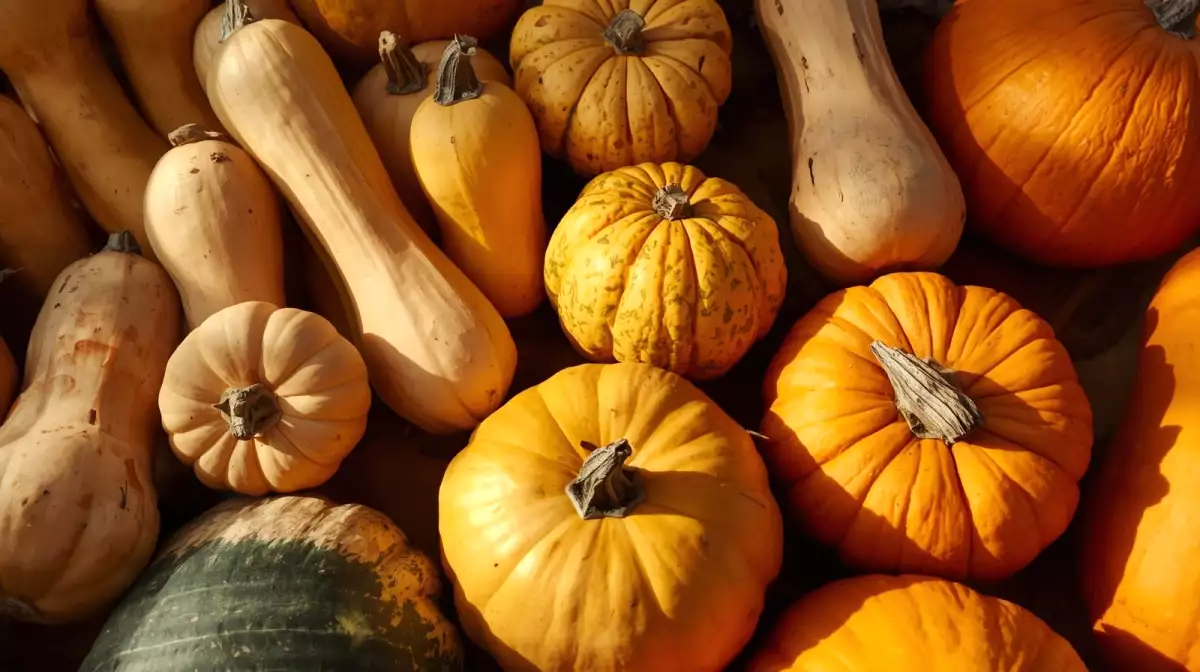
It's the queen of autumn/winter: sweet, melting, colorful... and incredibly good for us! Butternut, pumpkin, spaghetti or butternut squash, they all hide real nutritional treasures behind their orange flesh. Zoom in on 5 health benefits that make you want to make them your favorite vegetable (and roast a piece tonight).
1. It's light, but super-nourishing
With barely 20 to 40 kcal per 3.5 oz/100 g cooked, depending on the variety, squash is one of the lightest vegetables available. Yet they stall for a long time!
And why is that? Thanks to its soft fibers, present at a rate of around 2 g per 3.5 oz/100 g. It slows digestion, stimulates transit and provides a real feeling of satiety. The result: a comforting dish that doesn't weigh too much on the plate or the scales.
Tip: the more oil (olive or rapeseed) you drizzle over your purée or soup, the better the fat-soluble nutrients are absorbed.
2. It's packed with carotenoids, the antioxidants that protect our cells.
What gives it its pretty orange color? Carotenoids! These natural pigments (including the famous beta-carotene) are powerful antioxidants. In the body, they transform into vitamin A, essential for vision, skin and cell growth (source: EFSA).
Studies show that these compounds help protect cells against oxidative stress and maintain good eye health. And the good news is that, unlike supplements, there's no risk of overdosing via the diet. So the more orange, the better!
Tip: a pumpkin velouté or butternut purée with a little milk or vegetable cream = a dose of sweetness and a real antioxidant boost.
3. It's good for the heart (thanks to potassium!)
Squash is rich in potassium, an essential mineral for heart function and blood pressure regulation. According to the WHO and EFSA, a sufficient intake of potassium helps maintain normal blood pressure and limit the risk of hypertension.
A 7 oz/200g portion of cooked squash already provides almost 500mg of potassium, a good boost to balance your daily intake (WHO, 2021).
Try a warm salad of roasted butternut, chickpeas and arugula - a concentrate of fiber and minerals!
4. It pampers our microbiota
Squash fiber doesn't just aid digestion: it also feeds our good intestinal bacteria. These bacteria produce fatty acids that are beneficial to the digestive mucosa and immune system (EFSA, 2022).
By regularly including squash in your meals (soups, gratins, risottos...), you're helping to balance the intestinal microbiota, that much-vaunted "second brain".
Added bonus: squash fibers are soft and well-tolerated, perfect for sensitive stomachs.
5. Its seeds are a concentrate of energy and minerals
Don't throw seeds away! Oven-roasted or pan-fried, they become a crunchy, nutritious snack. Magnesium, zinc, phosphorus, iron, not to mention good fatty acids and vegetable proteins: they've got it all.
According to USDA data, 3.5 oz/100 g of pumpkin seeds provide around 550 kcal, as well as excellent nutritional density. No need to eat handfuls: just one tablespoon a day is enough to boost your intake.
Sprinkle on soups, salads or bowls to add crunch and a little extra "health".
A few useful reminders
- Some people experience slight hand irritation when cutting butternut: don't worry, it's only temporary!
- If you are taking beta-carotene supplements, avoid combining them if you are a smoker (EFSA recommendation).
- Seeds, though healthy, are still calorific: a handful, not the whole packet ;)
In a nutshell
Squash is low in calories, high in fiber, high in potassium and packed with antioxidants. They support digestion, heart health and cell vitality. What's more, they can be cooked in a variety of ways: as a velouté, au gratin, savoury tart, purée or even dessert (hello, pumpkin pie!).
So, let's fill up! With their sweetness and sunny colors, pumpkins bring comfort to the plate while looking after our health. A good reason to enjoy them all autumn long... and even a little afterwards.
 Adèle Peyches
Comments