Cold butter, softened or melted: the detail that decides your dessert
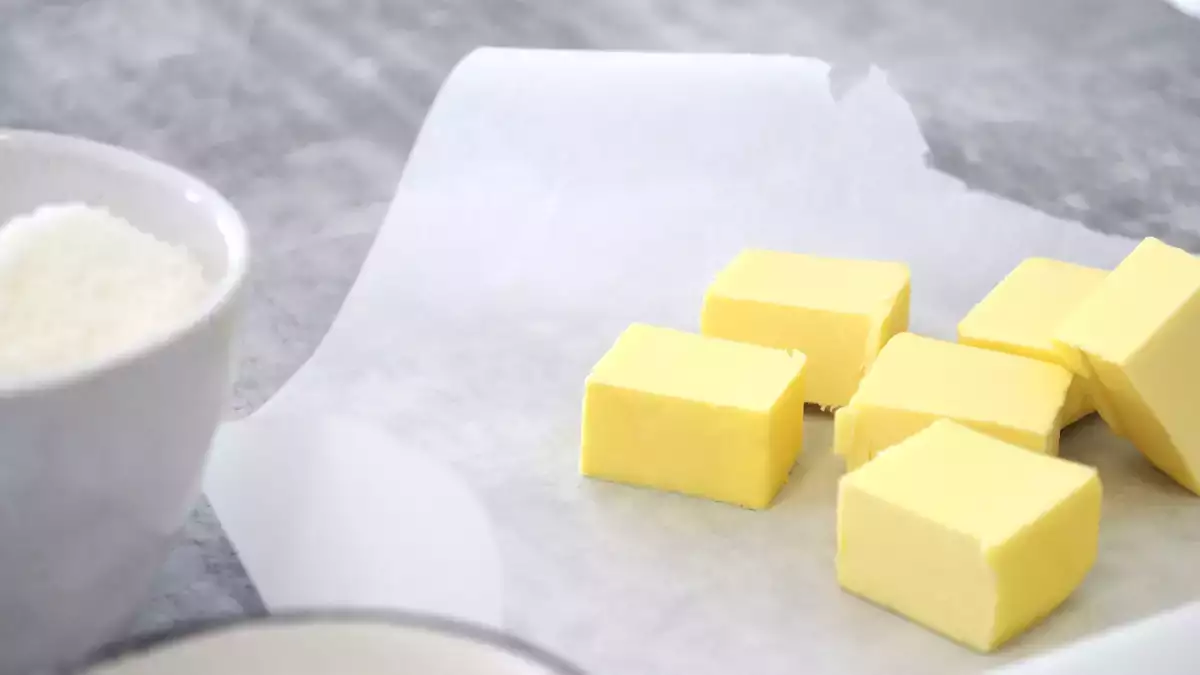
In baking, butter is not "an ingredient": it is a tool. Sometimes you want it to act as a structure (capable of trapping air), sometimes as a barrier (to stop gluten) and sometimes as a liquid that mixes without resistance and completely changes the final texture. It all depends on a simple idea: butter is an emulsion with fat, water and milk solids; when the temperature changes, its behavior changes.
Cold butter
Cold butter straight from the fridge is firm and stubborn: it doesn’t fully blend in, it stays as chunks or thin “sheets” in the dough. And that’s exactly what we want in doughs that should be crumbly, flaky or full of little layers.
- What happens: Those pieces of fat act like tiny barriers between the flour and the water, so gluten can’t develop too much. Then, in the oven, the water in both the butter and the dough turns to steam and pushes the layers apart. That’s where the flakiness comes from.
- Where it works: Shortcrust and pie doughs, scones, American biscuits, crumbles and streusels.
- Classic mistake: If the butter warms up while you’re working, it smears into the flour instead of staying in pieces. You lose those pockets of fat… and with them, the beautiful layers.
In these recipes it is better to use cold butter:
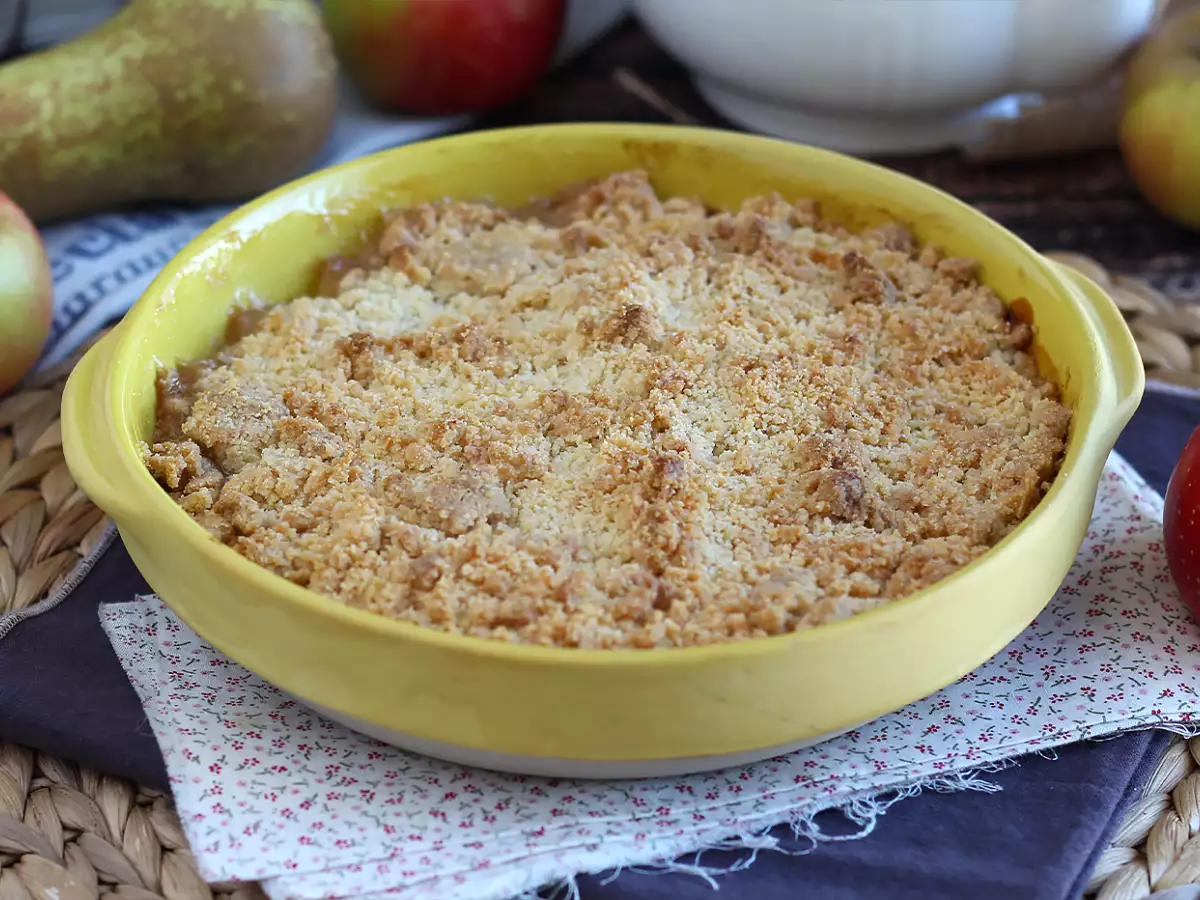
One of the classics that we will never get tired of for dessert: crumble! Here, in addition to apples, we've added pears to double the joy in your mouth. Super easy to make, this is definitely the recipe to do with your kids. Fruity, melting, and...
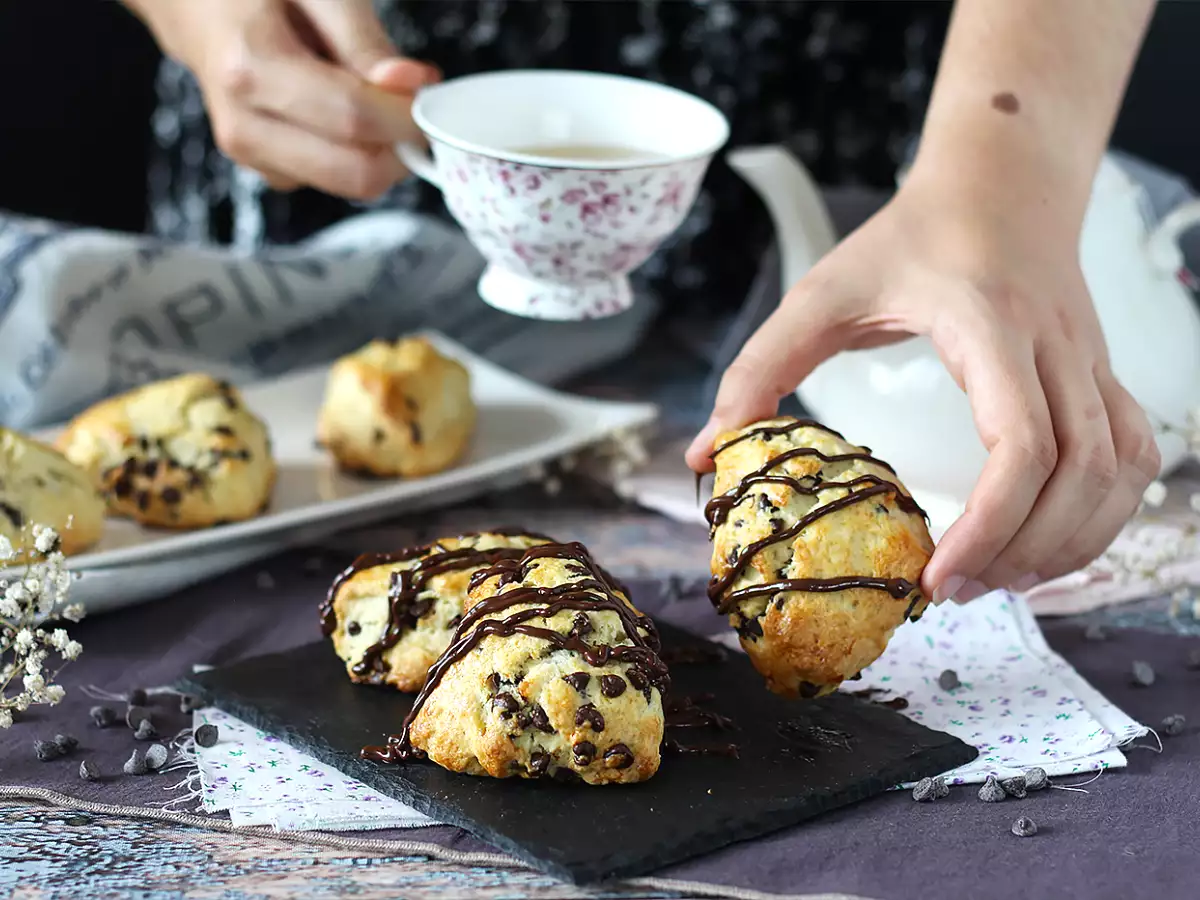
We love classic scones straight from the UK, and we melt with delight for this chocolate chip version! Easy and fluffy, we can assure you that you won't be able to resist it either ;-) We reveal all the steps to achieve this foolproof result ↓
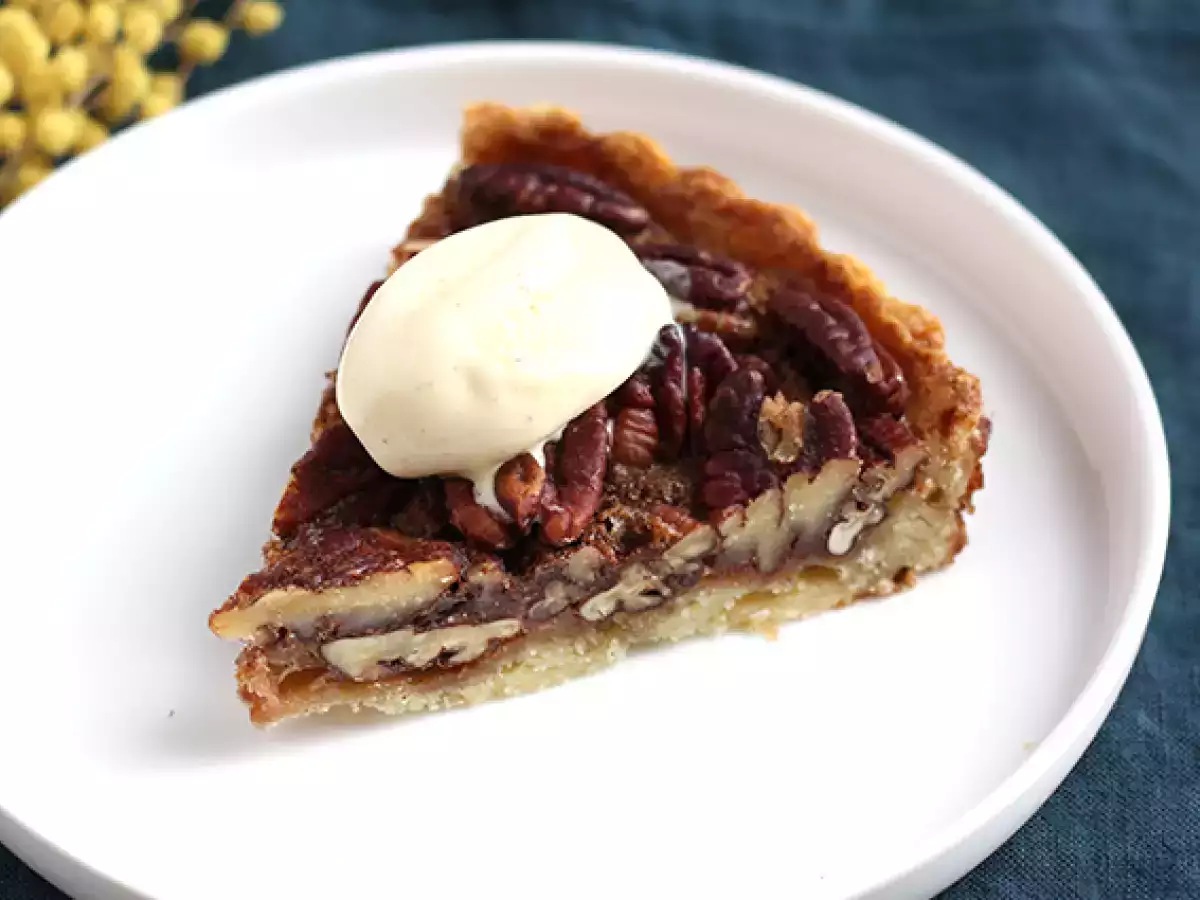
Enjoy this delicious pecan pie, a classic dessert for Thanksgiving in the United States. Pair it with a scoop of vanilla ice cream or whipped cream for the perfect treat!
Softened butter
Butter at “ointment” stage (soft, room temperature, malleable but still cool to the touch) is the queen of the creaming method: beating butter with sugar to incorporate air.
- What happens: The sugar “cuts through” the butter, creating tiny pockets where air gets trapped. In the oven, that air expands and helps the batter rise. If the butter is too cold, it won’t let the sugar pierce it; if it’s too warm, it loses structure and can’t hold onto the air.
- Where it works: Pound cakes, layer cakes, “whipped” style cupcakes, cookies that should bake up taller and lighter, and many sweet tart doughs made by creaming.
- In practice: The butter should yield to gentle pressure and take a clean fingerprint, without looking oily or glossy. If it’s shiny or almost melted, you’ve gone too far: instead of trapping air, it will spread, and the extra free fat is exactly what gives you flat cookies.
In these recipes it is convenient to use ointment butter:
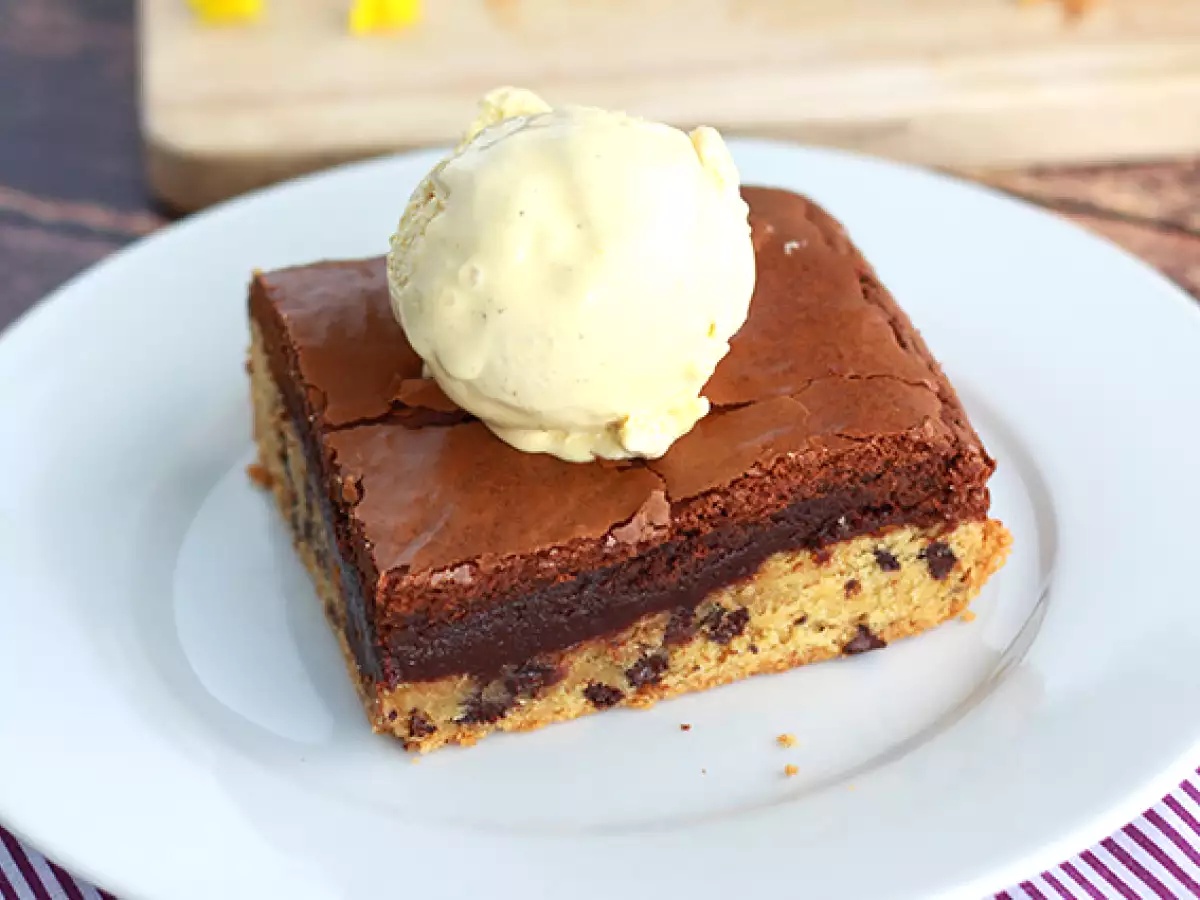
Can't decide between brownies and cookies for dessert? Opt for homemade brookies! An easy recipe explained step by step, perfect for making with kids. Straight from the United States, you won't resist its blend of softness and crunch. Serve with a...
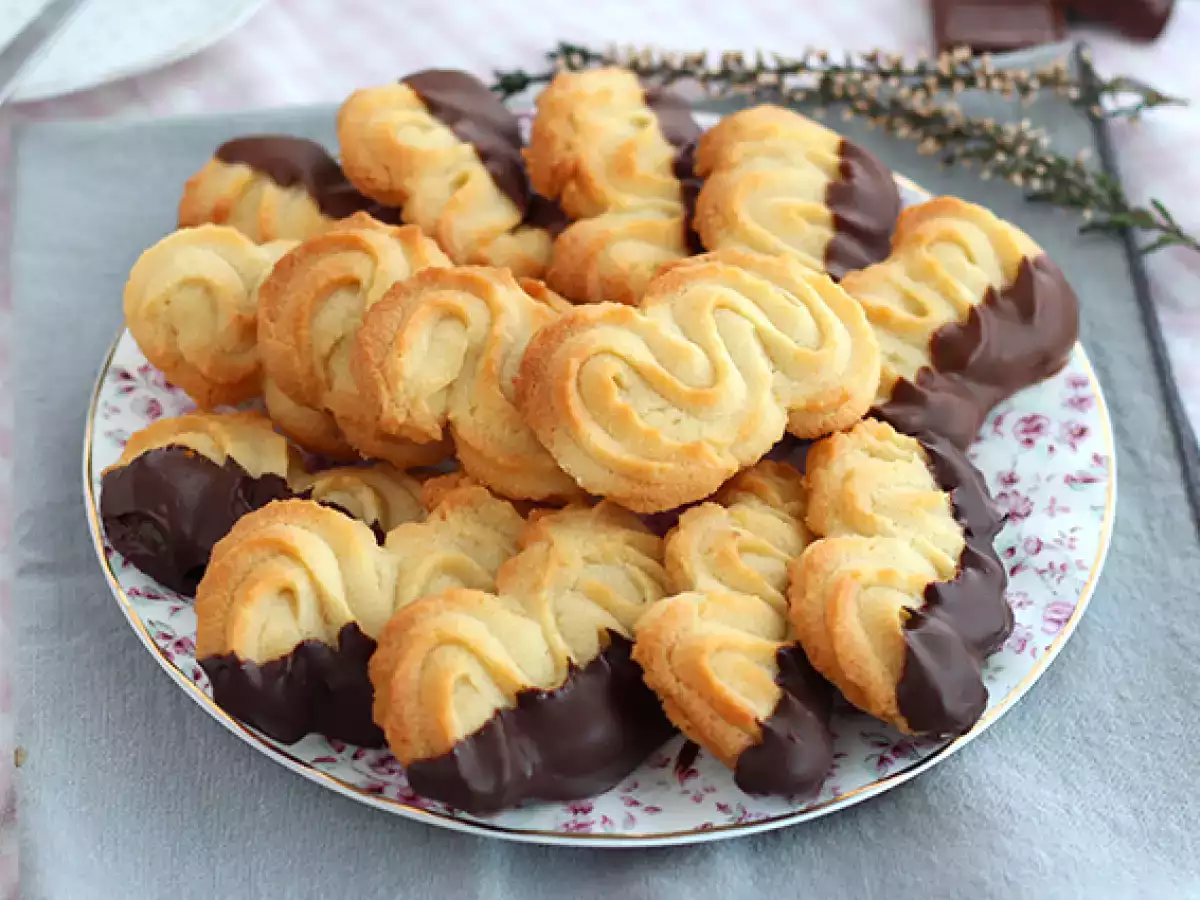
Would you like some extra-melt-in-your-mouth shortbread cookies for a snack? Try our homemade Spritz! A recipe that will take you straight back to childhood. And as we couldn't make up our mind, we decided to make them in plain, milk chocolate, and...
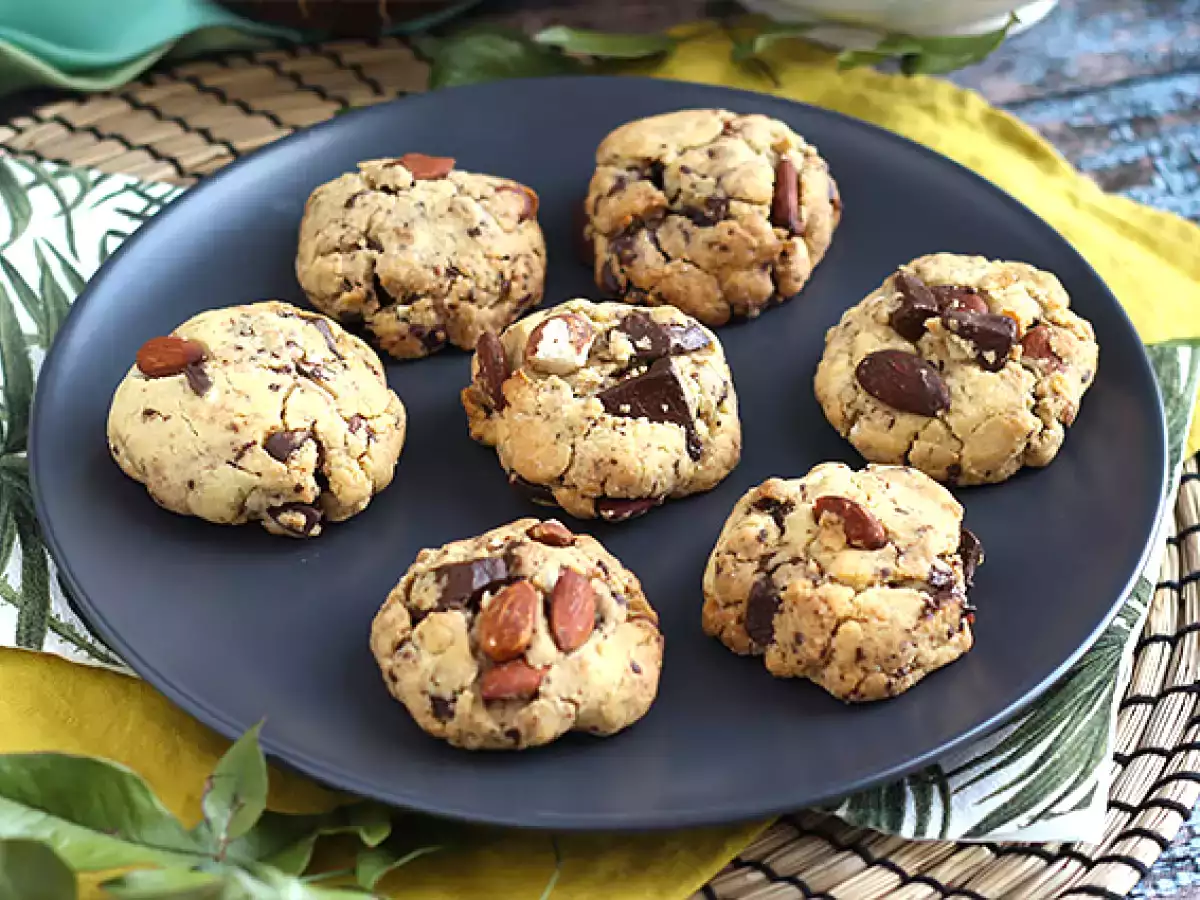
Get ready for a delightful snack! For a successful treat break, nothing beats these extra thick cookies. Crunchy on the outside, soft on the inside, filled with chocolate and almonds. With these cookies, smiles and indulgence are guaranteed. Let's dive...
Melted butter
Melted butter does the exact opposite of creamed butter: it doesn’t trap air. It blends in easily, yes, but it builds a completely different kind of texture.
- What happens: Because it’s liquid, melted butter mixes in right away and encourages doughs that are denser, more compact or chewy. That’s why so many brownies start with melted butter: you’re aiming for a fudgy, moist interior, not a light, airy crumb.
- Where it works: Brownies, blondies, some chewy cookies, banana bread and quick breads or cakes where the goal isn’t fluffiness, but a moist, tight crumb.
- In practice: in cookies, using melted butter generally makes them spread more and pushes the texture toward something more brownie-like and chewy, rather than the lift and lightness you get from creaming butter with sugar.
In these recipes it is best to use melted butter:
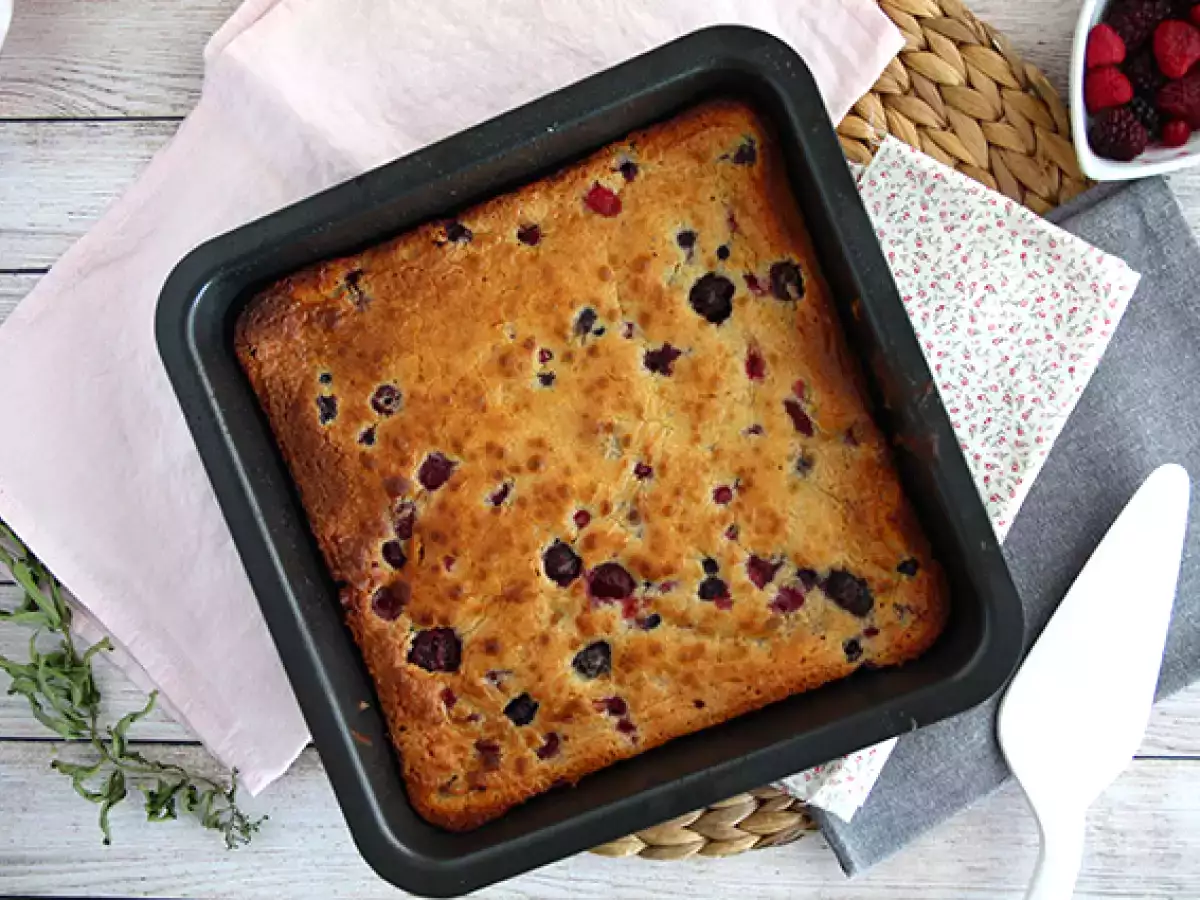
Usually, you add dark chocolate to your brownie, right? How about trying our recipe with white chocolate and red berries! Also known as "Blondie", this version will surely please the whole family! Easy to make, you'll get a wonderfully gooey treat,...
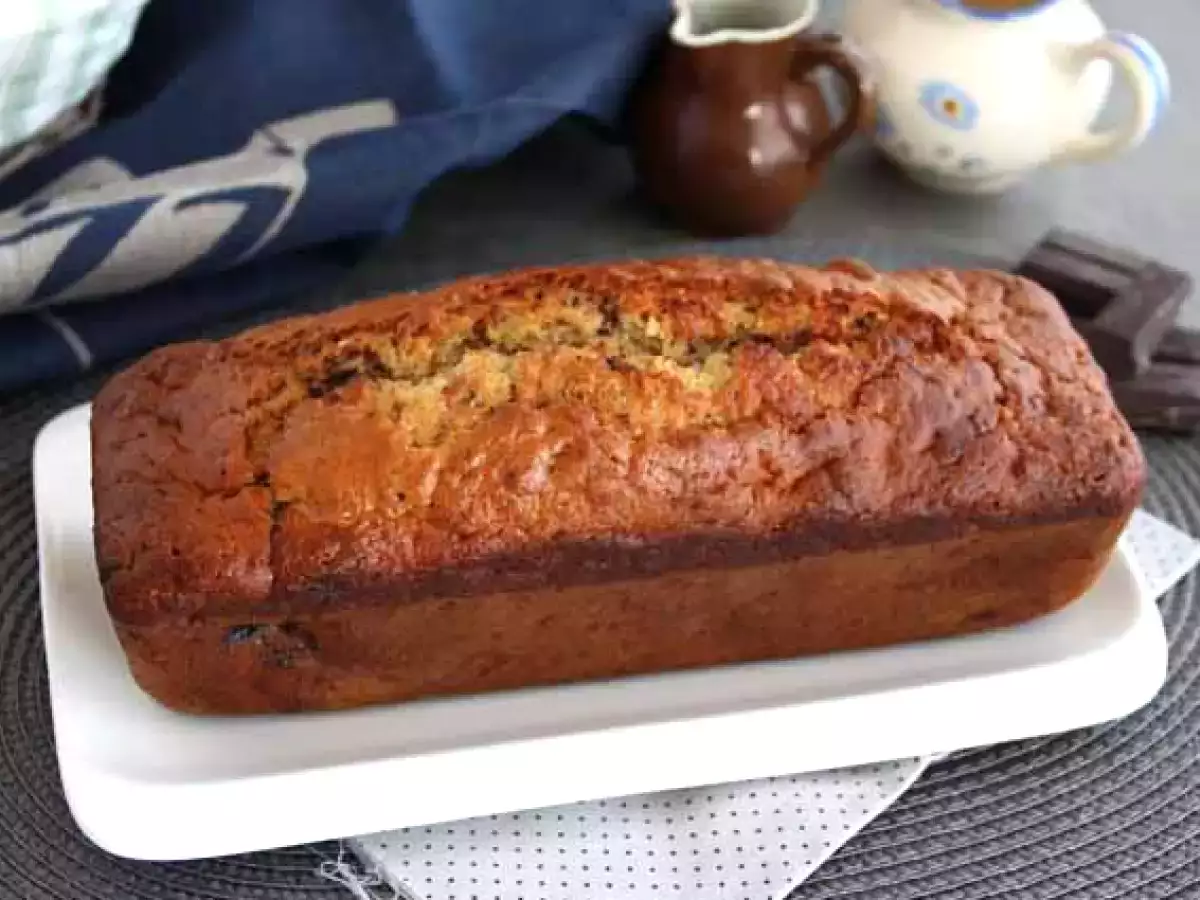
Are overripe bananas about to go bad in your fruit bowl? Use them to make this deliciously moist cake. And for even more indulgence, nothing beats chocolate chips :-) An incredibly easy recipe that, thanks to the ripe bananas, will allow you to reduce...
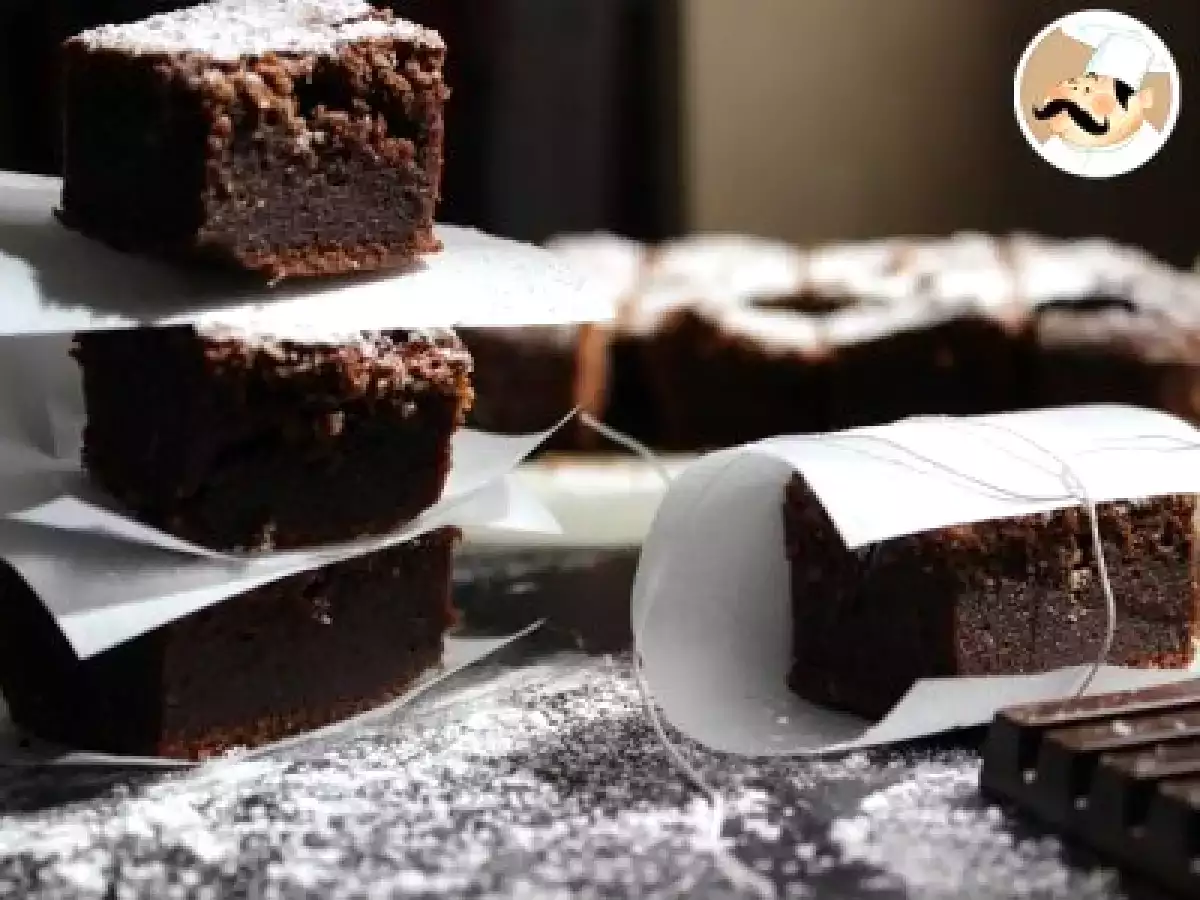
Who can resist a delicious chocolate brownies ? With its soft center, slightly crunchy exterior, and intense chocolate flavor, this dessert from the United States has won the hearts of all chocolate lovers . Easy to prepare, this recipe is ideal...
Butter temperature is key
The temperature decides whether the butter behaves as an air sponge, as a separating film or as a liquid fat that is distributed throughout the dough. And, as butter also provides water, the moment when this water turns into steam can be the detail that decides the final result of your dessert.
 Patricia González
Comments