All European hake has anisakis: How to avoid risks at Christmas without changing the menu
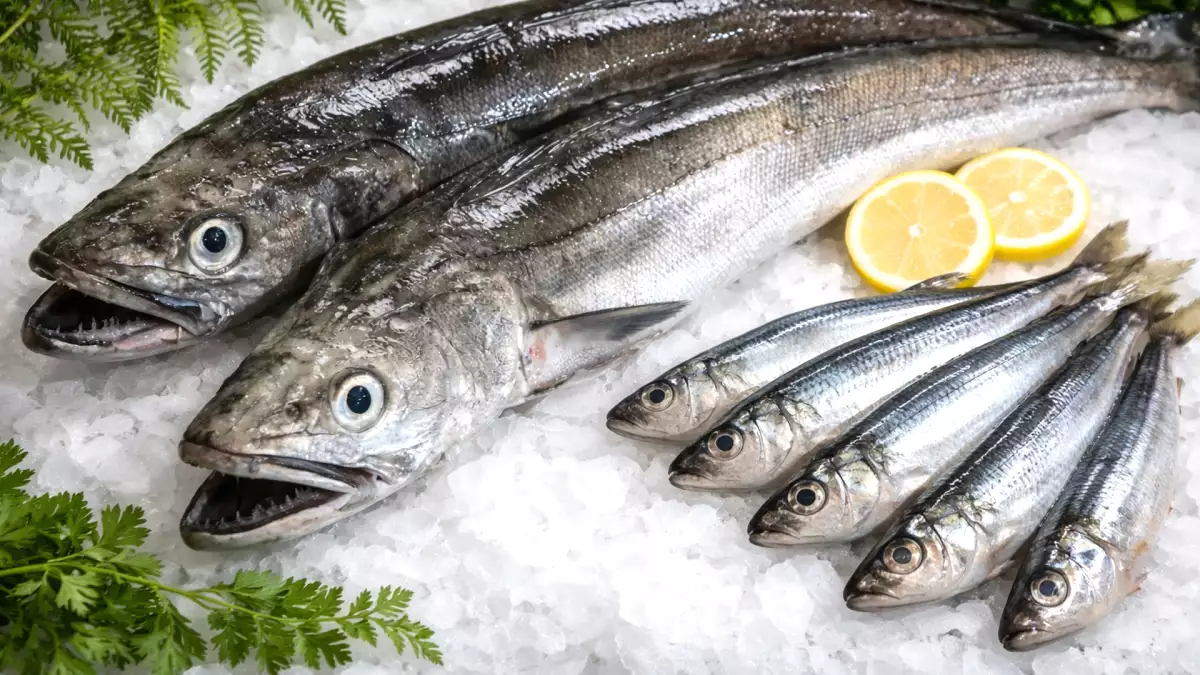
There’s a kind of family panic that shows up right before Christmas Eve or New Year’s: the menu is almost closed… and then somebody drops a link in the family WhatsApp group.
The scary news: 100% of European hake have anisakis
A Spanish study by marine research center AZTI found that 100% of the European hake they analyzed carried anisakis; in anchovies/boquerones, around 20% tested positive. The work used a very sensitive PCR-based method that can detect traces of the parasite in just 25 g of fish.
The numbers are striking, but they don’t mean “every bite will make you sick.” They mean something more useful: when you buy certain wild marine fish, you should assume the parasite might be present and handle it accordingly.
In the U.S., anisakiasis (infection by this parasite) is still relatively rare, but cases have been reported as raw and undercooked fish have become more popular. The risk is real but also very easy to control if you follow time-and-temperature rules.
The key nuance: “it’s there” ≠ “it will affect you”
Anisakis is a roundworm that lives in marine fish and squid. The danger isn’t that it exists in the fish; it’s how you eat that fish:
- If you eat the larvae alive (raw or poorly treated fish), they can cause anisakiasis: digestive symptoms like pain, nausea, vomiting, sometimes mimicking appendicitis.
- In sensitized people, they can also trigger allergic reactions, sometimes severe.
The CDC is blunt about prevention: don’t eat raw or undercooked fish or squid unless it’s been frozen or treated properly for parasite destruction.
And there’s something important to underline for the December table: Lemon, vinegar, and salt are not safety switches. They give flavor, they “cook” the texture on the surface… but they do not reliably kill anisakis larvae.
The only things that deactivate them in a predictable way are:
- Real cooking (enough heat), or
- Real freezing (enough cold for long enough).
Everything else is decoration.
Two rules that actually work
1. If you cook it properly, the problem is over
For home cooks, U.S. guidance is clear:
- Cook fish to an internal temperature of at least 145°F (63°C).
Once the center hits that temperature, the larvae are dead. Grilling, baking, pan-searing, deep-frying: all of these work as long as the interior really gets hot enough.
This matters because festive cooking often becomes “aesthetic”:
- “Just seared, almost raw in the middle…”
- “Only a quick pass on the grill so it stays super juicy…”
That can be delicious, but if you haven’t frozen the fish beforehand, it can also be exactly what anisakis wants.
So: this Christmas, if the fish hasn’t been properly frozen for parasites, “juicy” needs to be compatible with fully cooked.
2. If it’s raw or almost raw, safety = freezing (done right)
For raw or undercooked fish, U.S. rules line up with FDA and Food Code recommendations. In plain language:
If you’re going to eat marine fish raw or undercooked (ceviche, tartare, carpaccio, sushi, boquerones in vinegar, cold-smoked fish, etc.), it should have been frozen under parasite-destruction conditions first.
Standard options include:
- At or below −4°F (−20°C) for at least 7 days (168 hours), or
- At or below −31°F (−35°C) until solid and held at that temperature for at least 15 hours, or
- At or below −31°F (−35°C) until solid, then held at −4°F (−20°C) for at least 24 hours.
That’s what commercial “sushi-grade” fish has been through: the label doesn’t mean the fish was born safe; it means it’s been frozen for parasite control.
A crucial detail for home kitchens:
- Many domestic freezers hover around 0°F (−18°C) and don’t always reach or hold −4°F (−20°C) reliably in the core of a thick fillet.
- If you’re not sure your freezer can actually meet those conditions, the safest option for raw uses is to buy fish that’s already been frozen for sushi/ceviche by a trusted supplier.
“Anchovies or boquerones?” the clarification that avoids confusion
Language doesn’t help here:
- When we say “anchovies” in the U.S., we usually picture the little salty fillets in a can or jar. Those are a semi-preserved product that’s already gone through heavy salting and processing. For those, parasite control is managed by the producer.
- When we say “boquerones” or fresh anchovies in vinegar, we’re talking about fresh fish you marinate at home, which is exactly where freezing rules matter.
So, what needs freezing when you are the one preparing it?
You should freeze first if you’re making at home:
- Boquerones in vinegar or other lightly pickled fish.
- Sushi/sashimi, crudos, carpaccios, poke.
- Ceviche and other marinated raw-fish dishes.
- Raw or nearly raw fish roe.
- Lightly salted or brined fish that won’t be cooked.
- Marine fish that will be cold-smoked.
When you buy these products already made from reputable brands or restaurants, the freezing step for parasite control should have been done by the producer, as required by regulations.
What doesn’t usually need freezing first?
According to U.S. guidance and risk assessments, you generally do not need parasite-destruction freezing for:
- Raw oysters, clams, mussels, and other bivalves (they have their own risks, just a different set of pathogens).
- Freshwater fish from controlled aquaculture systems (trout, tilapia, etc.) when they’re going to be cooked normally.
- Canned or heavily salted products like classic anchovy fillets in oil.
- Traditional dried salt fish (bacalao, mojama-type products) that you’ll cook.
As always, this is about parasites specifically; you still need to handle and cook these foods correctly for other food-safety reasons.
Raw, without panic (as long as you follow the rules)
Anisakis doesn’t call for panic; it calls for criteria. In December, when the kitchen fills with people, noise, and hurry, that criteria boils down to a simple recipe:
- If it’s going to be raw or almost raw → use fish that has been frozen under proper parasite-destruction conditions.
- If it hasn’t been frozen that way → cook it all the way through to at least 145°F (63°C) in the center.
- Lemon, vinegar, soy sauce, salt, wasabi, or “it’s very fresh” do not replace those steps.
One last nuance:
Freezing and cooking eliminate the risk of infection, but in people who are allergic to Anisakis, the risk of a reaction may persist, because the proteins that trigger allergy can remain even after the parasite is dead. If you or someone at the table has a known anisakis allergy, follow medical advice and be extra strict.
For everyone else, the headline doesn’t have to wreck Christmas dinner. The ocean hasn’t suddenly turned hostile; we just understand it better. With good freezing or proper cooking, your ceviche, tartare, and baked fish can stay on the menu; safe, delicious, and served without that little knot of worry in your stomach.
To learn more:
ESAN (consumer recommendations on anisakis and freezing/cooking): Anisakis (AESAN) - Recommendations to the consumer
 Patricia González
Comments