Why choose a fan-forced oven? Real everyday benefits
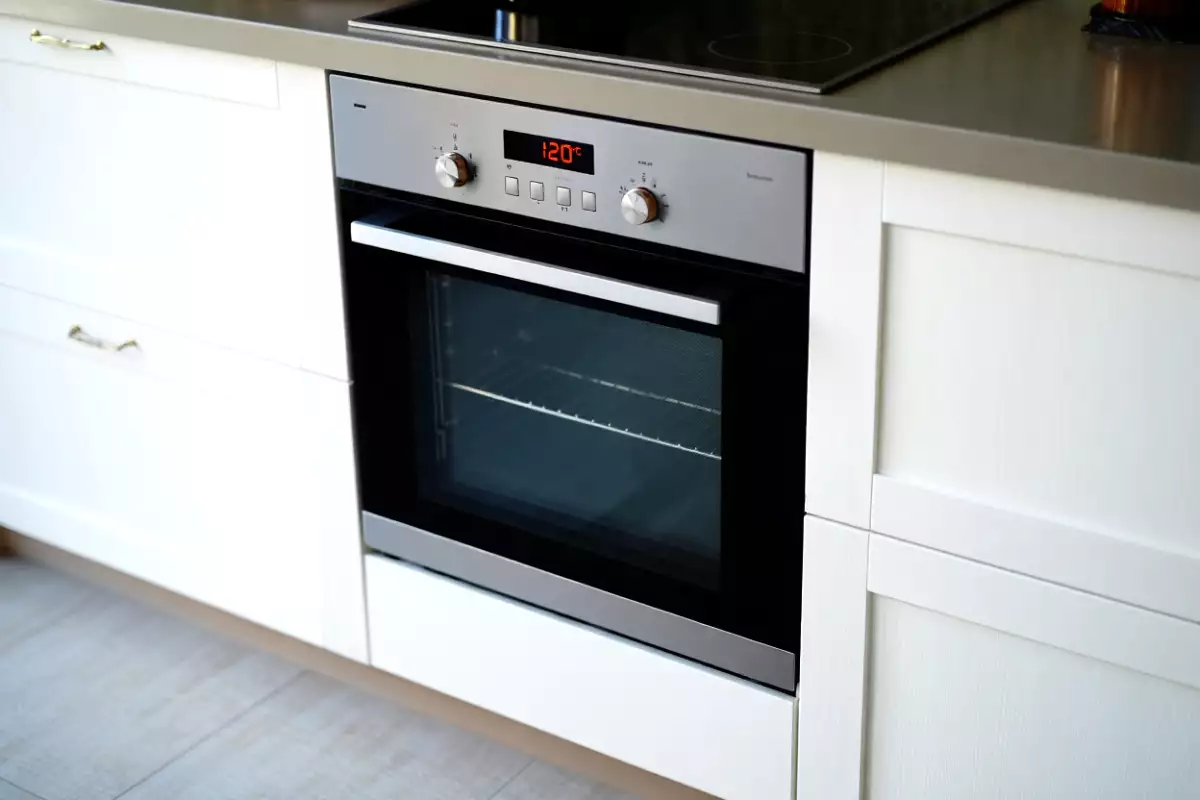
Your dish is ready… but the oven isn’t. You stare at the preheat light, sigh, and already know dinner is going to be late. If you cook with a standard oven, this scene is probably very familiar.
Convection, “regular bake,” fan bake… what’s the difference?
In a traditional oven (regular bake), the heat comes from the heating elements at the top and/or bottom. Hot air rises, cooler air sinks, and the heat circulates more or less on its own. That’s natural convection.
A true convection oven works differently. It has:
- a fan in the back
- and a separate heating element around that fan
Hot air is blown continuously throughout the oven cavity. The result: heat that’s more even, more consistent, and faster. Depending on the brand, you might see this called convection bake, true convection, fan-forced, or even “3D/4D hot air.”
One common point of confusion:
A simple fan without its own heating element is not true convection. That’s more like “fan-assisted” or “fan bake.” It does move air around, but not as effectively or evenly as a real convection system with its own heating ring.
1) Faster cooking and faster preheating
This is the benefit you notice first.
Because hot air is being pushed around instead of drifting naturally, the oven:
- preheats faster,
- cooks food more quickly,
- and often uses a bit less energy to do the same job.
In many cases, you can even slide a dish in before the preheat is fully finished (especially for casseroles and roasts). In practice, recipes made for a conventional oven often:
- need about 25°F less
- and or about 10 minutes less cooking time in convection
Good habit: the first few times you use convection, keep a closer eye on your food. You’ll quickly learn how your oven behaves.
2) You can bake multiple dishes at once
With a classic oven, baking on two racks can be tricky:
- the top browns faster,
- the bottom can lag behind,
- and sometimes you end up rotating pans halfway through or dealing with uneven results.
With convection, the fan keeps the hot air moving constantly. The temperature stays much more stable throughout the oven, which means you can:
- bake several dishes at the same time, on different racks,
- as long as they use the same temperature.
A casserole and a cake. A sheet pan of roasted veggies and a quiche. Multiple cookie sheets. It’s absolutely doable. Flavors don’t mix, and cooking stays nice and even - as long as you don’t overcrowd to the point where air can’t circulate at all.
3) More even cooking, top to bottom
This is usually what makes people fall in love with convection. Because the heat is better distributed, you’re much less likely to get:
- a pizza that’s pale on one side and burned on the other,
- a cake that’s raw in the center and overdone on the edges,
- a casserole browned on top but still lukewarm in the middle.
For things like:
- gratins and baked mac and cheese
- pizzas and flatbreads
- pies and savory tarts
- pot pies, lasagnas, sheet-pan dinners
convection brings more uniform browning and more consistent doneness, both on the surface and all the way through.
Handy tip for pizza: Use convection plus bottom heat (if your oven lets you set both). You’ll get a crisp crust and a well-cooked topping.
Is convection good for all recipes?
Most of the time, yes.
Convection is ideal for:
- casseroles and gratins
- roasted meats and vegetables
- baked pasta dishes
- cookies and most cakes
- pizzas and tarts
There are a few exceptions: for very delicate baked goods (like some soufflés, very light sponge cakes, or meringue-based desserts) the air movement can sometimes be a bit too strong and cause uneven rise or a dry surface.
In those special cases, regular bake (no fan) is often safer. But for everyday cooking and baking, convection is usually the more versatile, forgiving option.
How to adapt recipes for convection
The good news: it’s easy.
For a recipe written for a regular oven, you can generally:
- drop the temperature by 25°F (about 10–20°C),
- start checking doneness 5–10 minutes earlier,
- and watch carefully the first few times.
Examples:
- A recipe that calls for 375°F → try 350°F convection.
- Baking time says 35 minutes → start checking at 25–27 minutes.
After a handful of uses, you’ll know exactly how your oven behaves and won’t even have to think about it.
Why choosing convection is worth it
Opting for a convection oven or finally using the convection setting you already have means:
- less waiting for preheat
- faster, more efficient cooking
- more reliable, even results
- the ability to cook multiple dishes at once without panic
In short, it makes everyday cooking simpler, faster, and more predictable.
If you like using your oven a lot for roasting, baking, meal prep or hosting, convection isn’t just a fancy extra. It’s a genuinely useful tool you’ll end up wondering how you lived without.
 Adèle Peyches
Comments