Can eating organic really reduce cadmium exposure? Anses' statement and why it's sparking debate
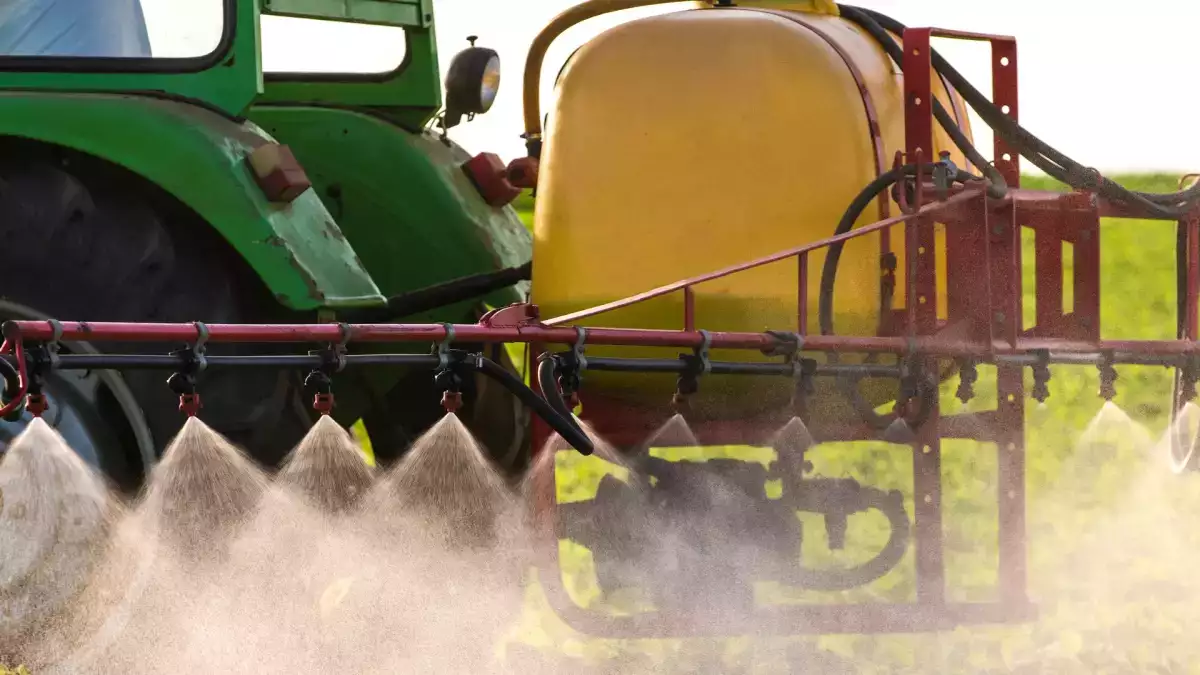
Long associated with healthier eating, organic food is now at the center of a growing debate: does eating organic actually protect you from cadmium exposure?
This heavy metal, naturally present in soil, has become a major topic following a recent report from the French Agency for Food, Environmental and Occupational Health & Safety (Anses). According to the agency, part of the population is exposed to excessive levels of cadmium through food, largely because of contamination in agricultural soils.
But one particular point has sparked controversy: Anses says organic products are not necessarily protected from this contamination either. A statement that has triggered criticism from parts of the organic farming sector.
So, should we rethink what we believe about organic food? Let’s break it down.
Cadmium: a hidden contaminant that’s more common than people think
Before talking about organic food, it helps to understand what cadmium actually is.
Cadmium is a naturally occurring heavy metal found in the environment, but human activities (especially agriculture) can significantly increase its concentration in soil.
Once present in the ground, it can accumulate in crops and eventually make its way onto our plates.
According to health authorities, food is the main source of cadmium exposure for non-smokers. And the foods most responsible are not exotic or unusual products, but everyday staples like:
- grains and wheat-based products
- bread, pasta, and cereals
- potatoes
- vegetables
In other words, avoiding it completely is almost impossible.
Organic or conventional: the difference may not be so obvious
This is where the debate really begins.
According to Anses, cadmium contamination in food is mainly linked to the condition of agricultural soils themselves. And one reality remains true: organic and conventional crops often grow in the same environment.
If cadmium is already present in the soil, plants can absorb it regardless of the farming method used.
That’s why the agency concluded that organic products are not automatically lower in cadmium.
Why some organic farming advocates disagree
Unsurprisingly, many people in the organic farming sector strongly challenge that conclusion. Their main argument focuses on fertilizer use. In conventional agriculture, certain phosphate fertilizers may contain cadmium and contribute to increasing soil contamination over time.
Even Anses identifies phosphate fertilizers as a major source of cadmium accumulation in agricultural soils.
Organic farming standards, however, prohibit many of these fertilizers. Supporters of organic agriculture argue that this naturally limits additional cadmium inputs into the soil. From their perspective, there is a meaningful difference even if it doesn’t always appear clearly in large-scale studies.
Why the issue is more complicated than it seems
The reason this topic creates so much debate is simple: it’s not just a straightforward “organic versus conventional” question. Many factors influence cadmium levels in crops, including:
- soil composition
- previous farming practices
- local environmental contamination
- crop history
- fertilizer use over many years
A field that was contaminated decades ago can continue affecting crops today, even if it’s now farmed organically. That’s exactly why the conclusions remain cautious and nuanced.
The real issue starts long before food reaches the plate
Beyond the organic debate, health experts emphasize one key point: the real problem begins at the soil level.
The focus should be on reducing contamination at the source.
Recommendations include:
- lowering cadmium levels in fertilizers
- improving agricultural practices
- encouraging crops that absorb less cadmium
Some agencies have even proposed stricter limits for cadmium content in agricultural inputs.
Should consumers change their eating habits?
This is the question most people immediately ask. The answer is more balanced than extreme.
Health agencies generally stress that this is primarily a systemic issue linked to agriculture and environmental regulation — not something individuals can completely solve through shopping choices alone.
Still, some habits may help reduce exposure while improving overall nutrition:
- eating a more varied diet
- limiting highly processed wheat-based foods
- including more legumes and diverse plant foods
These changes won’t eliminate cadmium exposure entirely, but they may help reduce it.
So, is organic food enough?
The honest answer is nuanced. No, eating organic does not guarantee zero cadmium exposure. But yes, some organic farming practices may reduce certain contamination sources compared to conventional agriculture.
Organic food is not a miracle solution… but it’s also not accurate to say there’s absolutely no difference at all.
A much bigger issue than it first appears
In the end, this debate reveals something broader about the way we eat. Food quality doesn’t depend only on what we buy, it also depends on how food is produced and what happens long before it reaches our kitchens.
Cadmium is invisible. You can’t taste it or see it. But it’s a reminder that our food system is deeply connected to soil health, farming practices, and environmental decisions.
And often, the real answers begin far upstream; long before the food reaches our plates.
 Adèle Peyches
Comments