Forgot to defrost dinner? Try this simple trick that thaws food in minutes and saves your meal
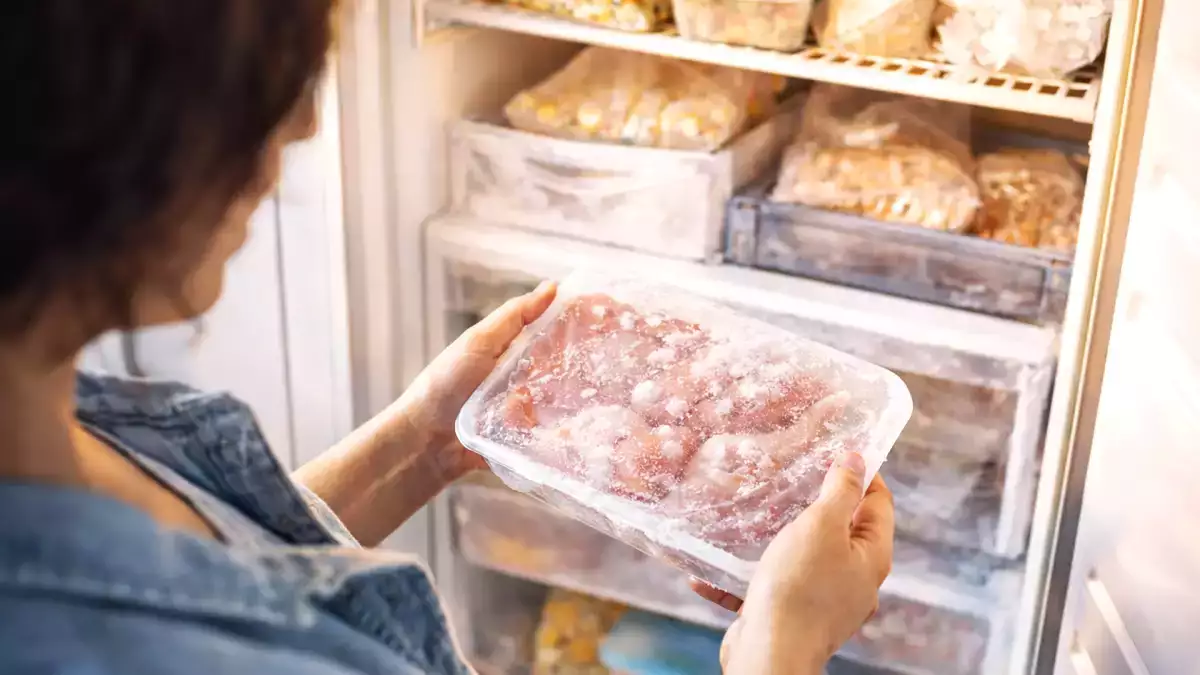
You get home after a long, exhausting day already thinking about making something quick for dinner. You open the fridge, look for an easy solution… and suddenly realize the main ingredient is still completely frozen.
The most common mistake when defrosting food
When you’re in a hurry, speed becomes the priority, not quality. The problem is that some methods thaw the outside way too quickly while the inside stays frozen solid.
The result? Food that’s partially cooked, uneven in texture, and lacking flavor. In some situations, improper thawing can even increase the risk of bacteria growth if the food stays too long at unsafe temperatures.
The simple trick that works in minutes
All you really need is:
- cold water
- a bowl or container
Place the food in a tightly sealed plastic bag if it isn’t already packaged, then fully submerge it in cold water. Change the water every few minutes to keep the process effective. Depending on the size and thickness of the food, it can thaw in as little as 15 to 30 minutes.
Simple, fast, and surprisingly effective.
Why does this method work so well?
Cold water transfers temperature much more efficiently than air. That means the food defrosts evenly without starting to cook on the outside first, which is exactly what often happens with hot water or aggressive microwave settings.
The texture stays better, the flavor is preserved, and the final result is much more consistent. In other words: your dinner still tastes like dinner, not like something that survived an emergency.
It’s not just for meat
This is one of the biggest advantages of this method.
It works incredibly well for:
- beef
- chicken
- fish
- seafood
But also for:
- frozen burgers
- bread
- certain vegetables
- ready-made sauces or soups
That’s what makes it such a practical everyday kitchen trick, especially on busy weeknights when you need dinner fast.
When you should be more careful
If the food is very large or thick, the thawing time will naturally be longer. Prepared dishes, sauces, or marinated foods can also be thawed this way, as long as they’re sealed properly.
The most important rule is simple: avoid direct contact between the food and the water.
That’s why a tightly closed bag or airtight packaging matters so much.
What you should absolutely avoid
Hot water is a bad idea. It may seem faster, but it starts cooking the outside before the inside has thawed properly. Leaving food out on the counter for long periods isn’t safe either, especially for meat, poultry, or seafood.
These are some of the most common mistakes people make and they can affect both food safety and flavor.
A tiny kitchen trick that changes everything
Once you start using this method, that feeling of “there’s nothing I can do for dinner” almost disappears. You save time, avoid waste, and make cooking feel much less stressful even on chaotic days.
And honestly, the next time you open the fridge and realize you forgot to thaw something, you probably won’t panic anymore. Because now you know there’s a quick, practical solution that actually works ;)
 Mirella Mendonça
Comments