Don't eat raw green beans: the cooking mistake many people make that could leave you feeling ill
Saturday 8 August 2026 21:00 - Vincent Sabourdy
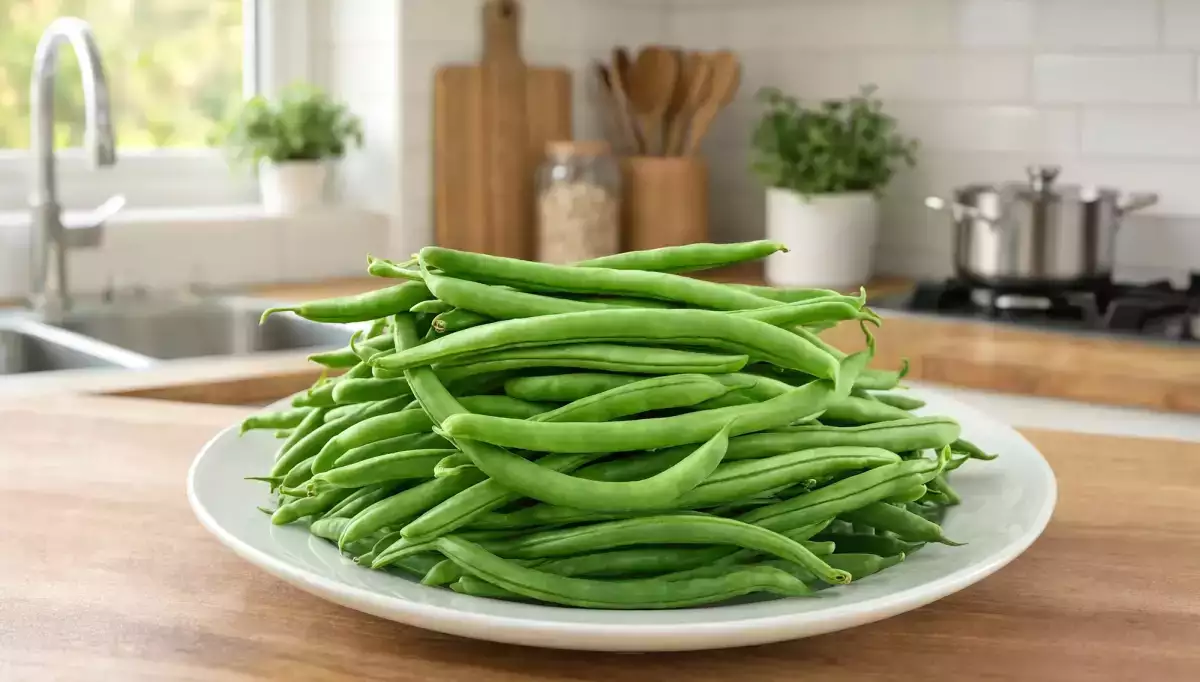
But a mistake in preparation can quickly turn this healthy vegetable into a health risk: green beans should never be eaten raw. They contain phasin, a naturally occurring lectin that can cause gastrointestinal upset.
The good news: when cooked just right, green beans are safe, easy to digest, and truly delicious!
Why are raw green beans a problem?
The key point concerns phasin. This substance occurs naturally in raw green beans and is a type of lectin. Eating raw or undercooked green beans can put a strain on the body and cause digestive problems.
Typical symptoms may include nausea, abdominal pain, vomiting, or diarrhea. Caution is advised, especially for children, sensitive individuals, or when consuming large quantities.
That’s why there’s a simple rule to follow in the kitchen: always cook green beans thoroughly before serving them.
Typical symptoms may include nausea, abdominal pain, vomiting, or diarrhea. Caution is advised, especially for children, sensitive individuals, or when consuming large quantities.
That’s why there’s a simple rule to follow in the kitchen: always cook green beans thoroughly before serving them.
How long should green beans be cooked?
Cooking green beans is the safest way to make them easy to digest. They should be cooked long enough in boiling water. As a general rule, it’s better to cook them thoroughly rather than blanch them briefly.
Once cooked, they can be served immediately, rinsed under cold water for use in salads, or sautéed. It’s also important not to use the cooking water as a base for salad dressings or sauces.
If you want to season the green beans afterward, don’t add butter, olive oil, garlic, herbs, lemon, or toasted almonds until after they’re done cooking.
Once cooked, they can be served immediately, rinsed under cold water for use in salads, or sautéed. It’s also important not to use the cooking water as a base for salad dressings or sauces.
If you want to season the green beans afterward, don’t add butter, olive oil, garlic, herbs, lemon, or toasted almonds until after they’re done cooking.
Is it enough to just sauté the food in a pan?
Sautéing green beans briefly isn't ideal if they were raw beforehand. The heat doesn’t always distribute evenly, especially if the beans are thick, very fresh, or if there’s a large quantity in the pan.
It’s safer to parboil them in water first, then sauté them briefly. This way, they retain their beautiful green color, develop roasted flavors, and remain easy to digest at the same time.
Green beans pair particularly well with garlic, shallots, parsley, lemon zest, or a pinch of nutmeg.
It’s safer to parboil them in water first, then sauté them briefly. This way, they retain their beautiful green color, develop roasted flavors, and remain easy to digest at the same time.
Green beans pair particularly well with garlic, shallots, parsley, lemon zest, or a pinch of nutmeg.
Steaming, blanching, freezing: Which methods are safe?
When steaming green beans, you also need to cook them long enough. A very brief blanching does make them crisp, but it isn’t always enough if the beans are to be eaten cold afterward.
For salads, you should first cook them until just tender, then rinse them under ice-cold water and drain them thoroughly.
As for freezing: before freezing them, many people blanch the green beans to better preserve their color and texture. Before eating them, however, you must cook them again until they are fully cooked. Frozen green beans are therefore not automatically ready to eat until they have been properly reheated.
For salads, you should first cook them until just tender, then rinse them under ice-cold water and drain them thoroughly.
As for freezing: before freezing them, many people blanch the green beans to better preserve their color and texture. Before eating them, however, you must cook them again until they are fully cooked. Frozen green beans are therefore not automatically ready to eat until they have been properly reheated.
Here's how to make green beans extra tasty
Once cooked to perfection, green beans are perfect for all kinds of seasonings. The classic recipe calls for seasoning them with a little butter, salt, and savory.
For a Mediterranean twist, serve them with olive oil, tomatoes, garlic, and lemon. For a hearty side dish, you can combine them—after cooking—with bacon, onions, or toasted walnuts.
The advantage: thanks to the pre-cooking step, the preparation process remains under control, and the beans then take on exactly the flavor you want.
For a Mediterranean twist, serve them with olive oil, tomatoes, garlic, and lemon. For a hearty side dish, you can combine them—after cooking—with bacon, onions, or toasted walnuts.
The advantage: thanks to the pre-cooking step, the preparation process remains under control, and the beans then take on exactly the flavor you want.
Green bean and bacon bundles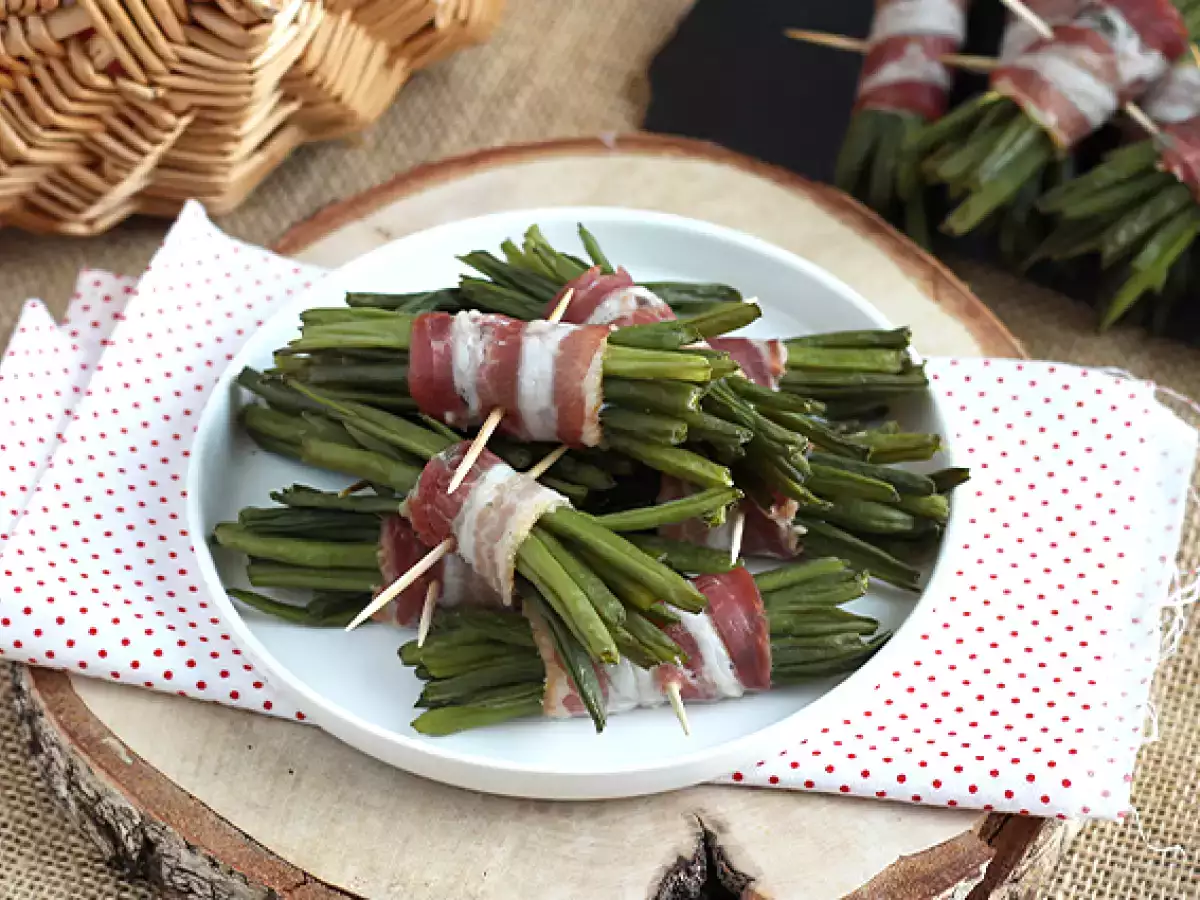
The perfect side dish for your meats and fish! Until now, we used to buy them pre-made, but we quickly realized that these bundles are super easy to make! For this, you only need two ingredients: green beans and slices of bacon. For the rest, just...
The Main Cooking Rules at a Glance
Never taste raw green beans, not even as a small, crunchy bite while cutting them.
Always cook the beans thoroughly before adding them to salads, bowls, or side dishes.
Do not reuse cooking or soaking water if it is raw or has only been heated briefly.
Be especially careful with children, as even small amounts can cause illness.
If you experience severe symptoms after eating raw beans, see a doctor.
Always cook the beans thoroughly before adding them to salads, bowls, or side dishes.
Do not reuse cooking or soaking water if it is raw or has only been heated briefly.
Be especially careful with children, as even small amounts can cause illness.
If you experience severe symptoms after eating raw beans, see a doctor.
Conclusion: When cooked properly, green beans are a real treat.
Green beans are not meant to be eaten raw. But if you cook them, steam them, or pre-cook them properly, there’s nothing to worry about.
Proper cooking makes all the difference: green beans then become a delicious, light, and versatile side dish for everyday meals, salads, and special occasions.
Proper cooking makes all the difference: green beans then become a delicious, light, and versatile side dish for everyday meals, salads, and special occasions.
 Vincent Sabourdy
Co-founder and publishing director of Petitchef, I am above all passionate about cooking and the internet.
I make the best crêpes on the street.
I love accessible recipes, practical advice, and culinary news.
My goal: to offer the best possible culinary website to make cooking a pleasant and shared experience.
I make the best crêpes on the street.
I love accessible recipes, practical advice, and culinary news.
My goal: to offer the best possible culinary website to make cooking a pleasant and shared experience.
Comments