Baghrir, the Moroccan crepe with a thousand holes: how to achieve its honeycombed texture
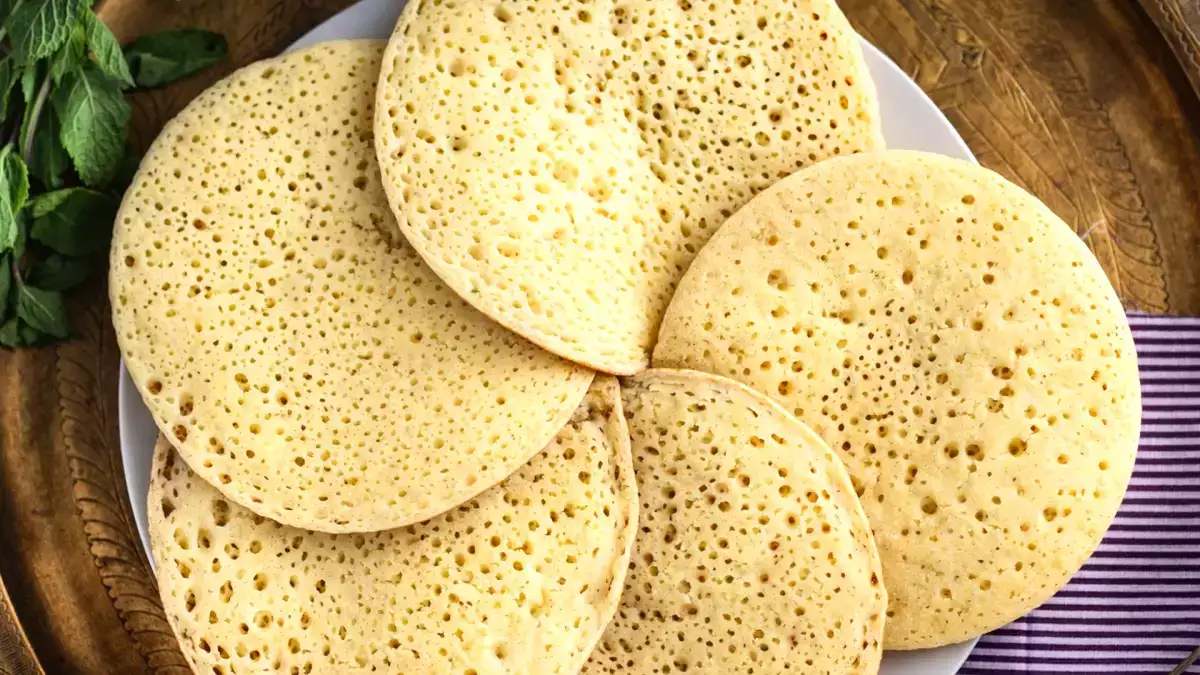
They arrive at the table with a disconcerting appearance: a golden disc, tender, dotted with small craters as if someone had "perforated" the surface with infinite patience. In Morocco and elsewhere in the Maghreb they are known as baghrir, also known as crêpes mille trous, the crêpes with a thousand holes, and when you see them up close, you understand why they are sometimes compared to a honeycomb.
The baghrir does not conquer not only for its exoticism, but also for a question of design. The holes that cover it are not a visual whim: they are designed to retain the butter and honey, to make each bite juicier. It is a spongy and light pancake, conceived so that the accompaniment is not an ornament, but an inseparable part of the bite.
A Maghreb classic with many names
Although it is usually labeled as "Moroccan crêpe", baghrir is prepared in different countries of the Maghreb. The dough, based on semolina or flour, contains yeast and a pinch of salt; after fermentation, it is cooked on one side only and served hot, traditionally with butter and honey.
This geographical extension explains why there are multiple names depending on the place and the language: baghrir, ghrayef, khringo, tibouâjajin... And it also helps to understand its natural place: breakfast, snack, tea or coffee time.
Even the term itself seems to wink at its texture: "baghrir" is linked to an Arabic root associated with "being full of holes".
The mystery of the "thousand holes"
The interesting thing happens in the pan and with a rule that goes against the instinct of anyone who has ever made pancakes: the baghrir is cooked on one side only.
By not turning it over, the surface is exposed to the air while the base sets. The yeast does its job: bubbles appear as soon as the dough touches the heat and, as they set, they leave that open, uniform pattern of holes. The result is practical, not decorative: those pores, created by the yeast, act like a sponge and trap whatever you put on top.
That's why in many kitchens the baghrir has something of a visual test: when the holes "sprout" quickly and evenly, you know that everything is going well. It's the sign that the dough is just right. It is cooking with instant confirmation.
Honey and butter but not only
In the baghrir, the holes function as tiny reservoirs. They hold the accompaniments, distribute it and fix it to the bite.
The best-known pairing, butter and honey, makes sense: served hot, they become fluid and get into the crumb. But the Maghreb doesn't stop there, and as soon as you change the syrup, the baghrir changes too.
One of these ways is cherbet: an aromatic syrup, thinner than honey, which usually contains orange blossom water and cinnamon. It does not seek only to sweeten; it perfumes. It is the kind of sweetness that leaves a trace, like a dessert that has passed near a pastry shop.
At other tables, baghrir is finished in a more sober way: a touch of olive oil and a shower of sugar, a surprising combination, but very coherent when tasted, typical of some areas of northern Algeria. And if a deeper finish is what you crave, smen appears, a clarified and matured butter, with a milky and intense, almost "cured" point, which goes particularly well with honey.
Below you will find the step-by-step to prepare them at home.
Baghrir: Ingredients and materials
INGREDIENTS:
- 1 cup semolina (fine)
- 3/4 cup flour
- 1 tbsp sugar
- 1 tsp salt
- 1 packet baking powder
- 0.35 oz fresh yeast (or 1 packet dry)
- 2 cups water
- Honey (or agave syrup)
MATERIALS:
Blender or mixer
Step 1: Make the dough
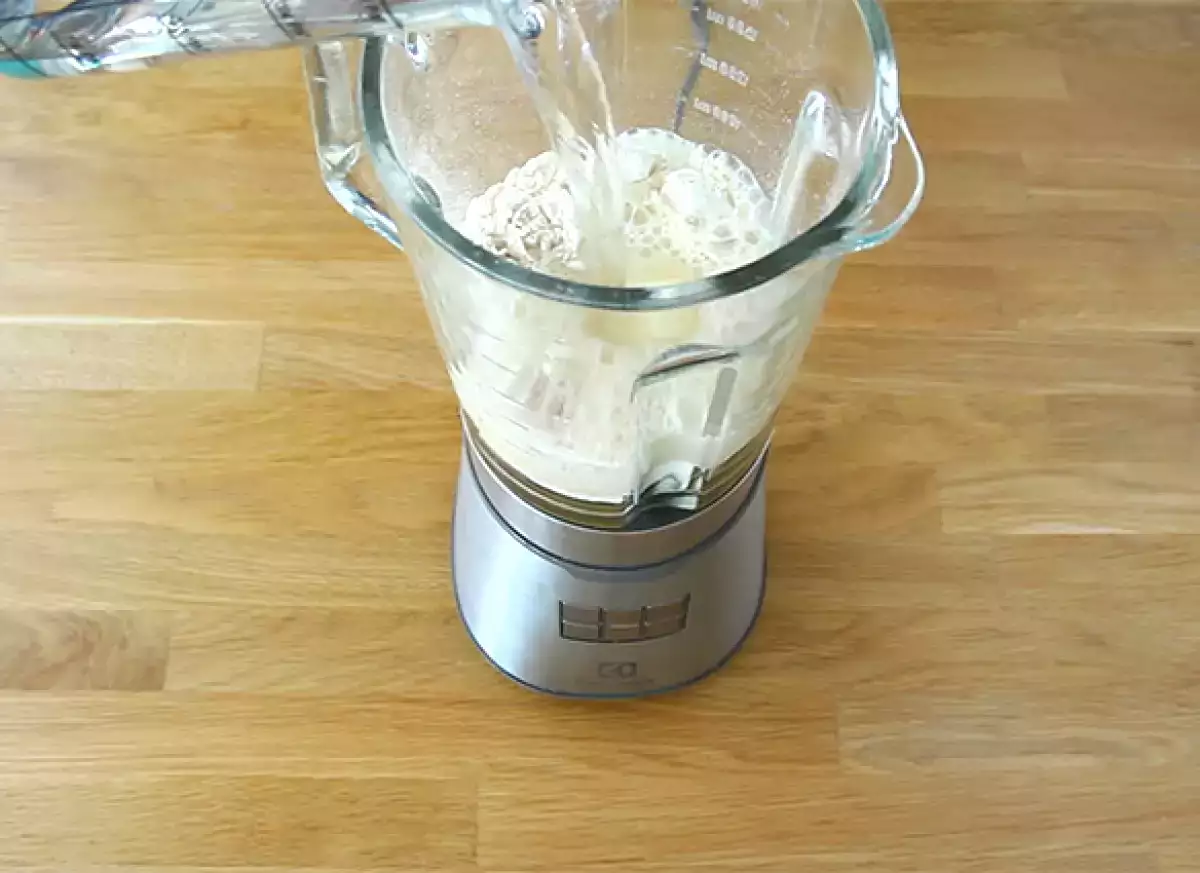
Put all the ingredients except the honey in the blender jar and blend until a fine, lump-free mixture is obtained.
Step 2: Let stand
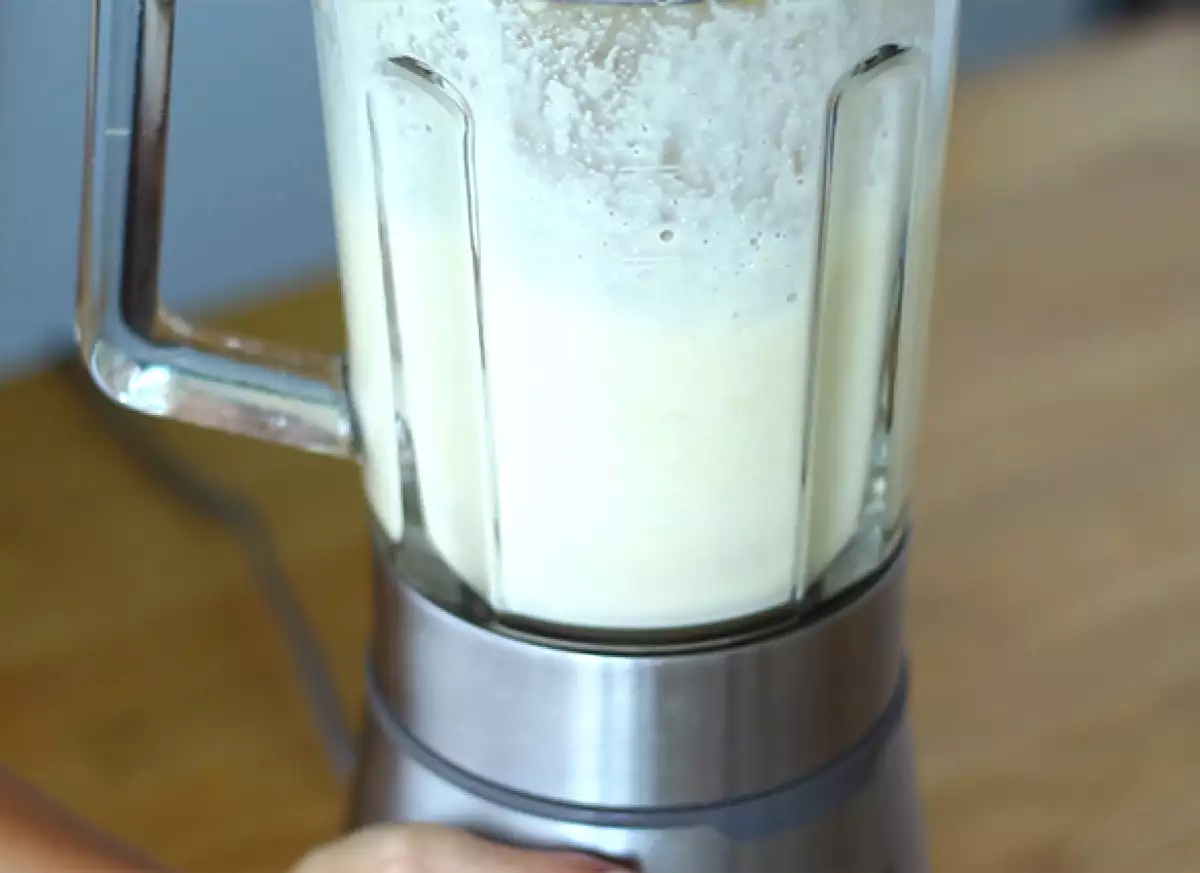
Transfer the dough to a bowl, cover and let it rest for 1 hour to ferment and gain body.
Step 3: Cook without turning it over
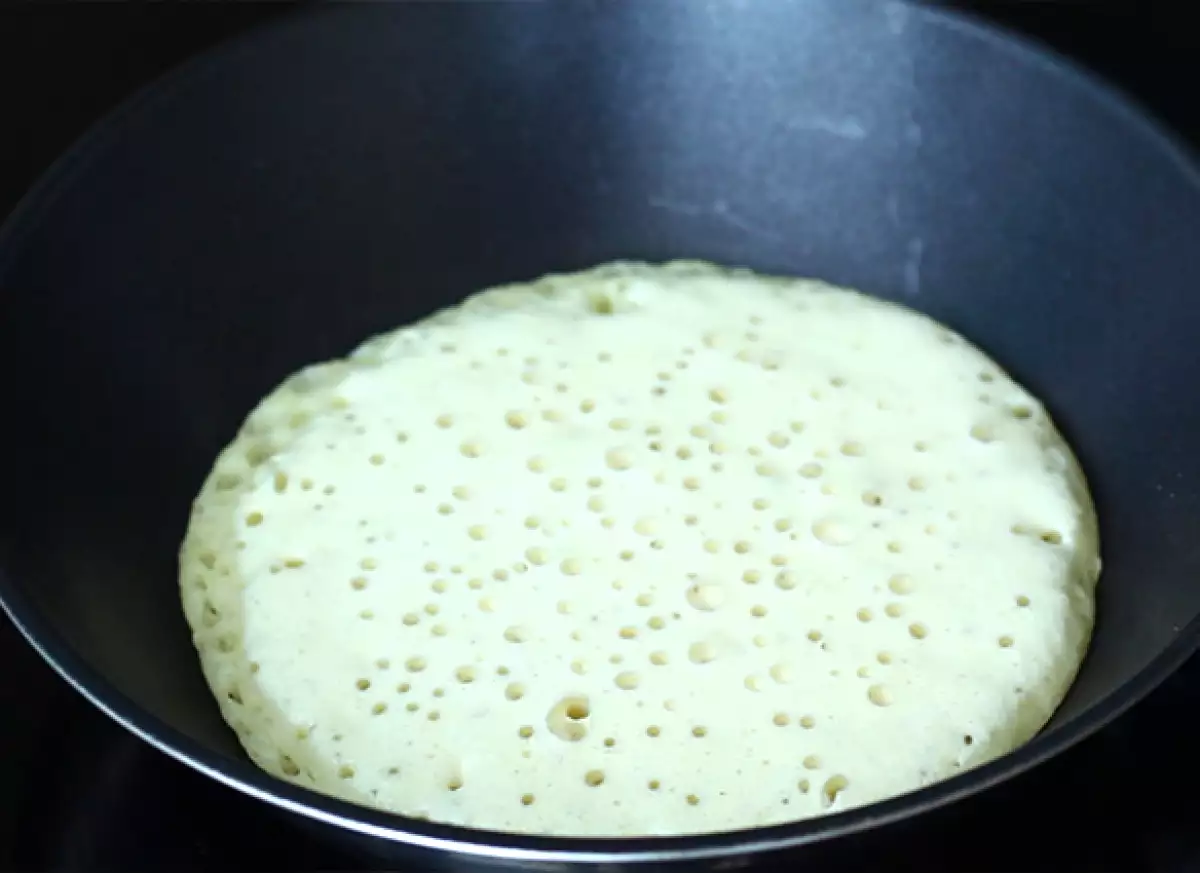
Heat a small frying pan and grease it lightly with a napkin with a few drops of oil. Pour a spoonful of dough in the center and cook over high heat: as soon as many holes start to appear, lower the heat a little and let it cook on one side only, until the surface is dry.
Step 4: Serve, accompany and enjoy.
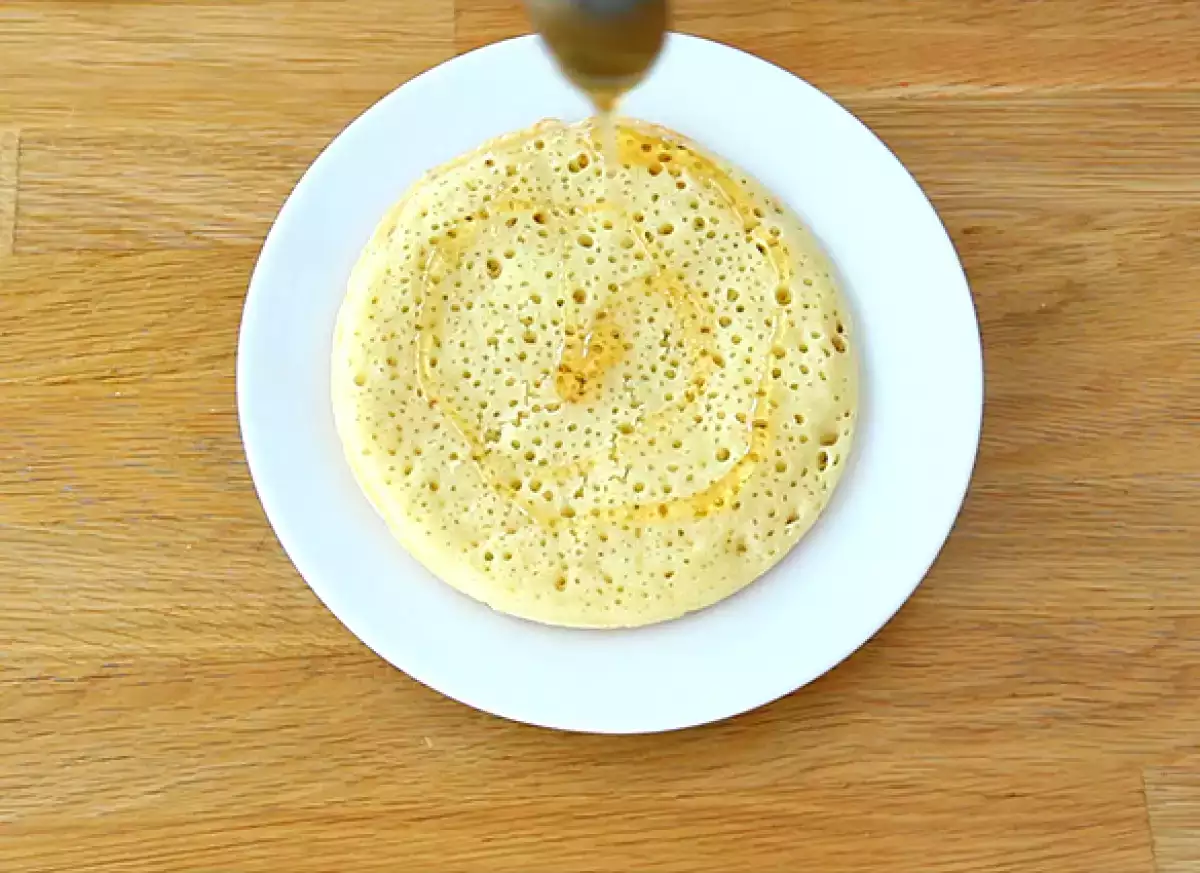
Place the baghrir on a plate, drizzle with honey on top (better if it is warm).
Step 5: And that's it
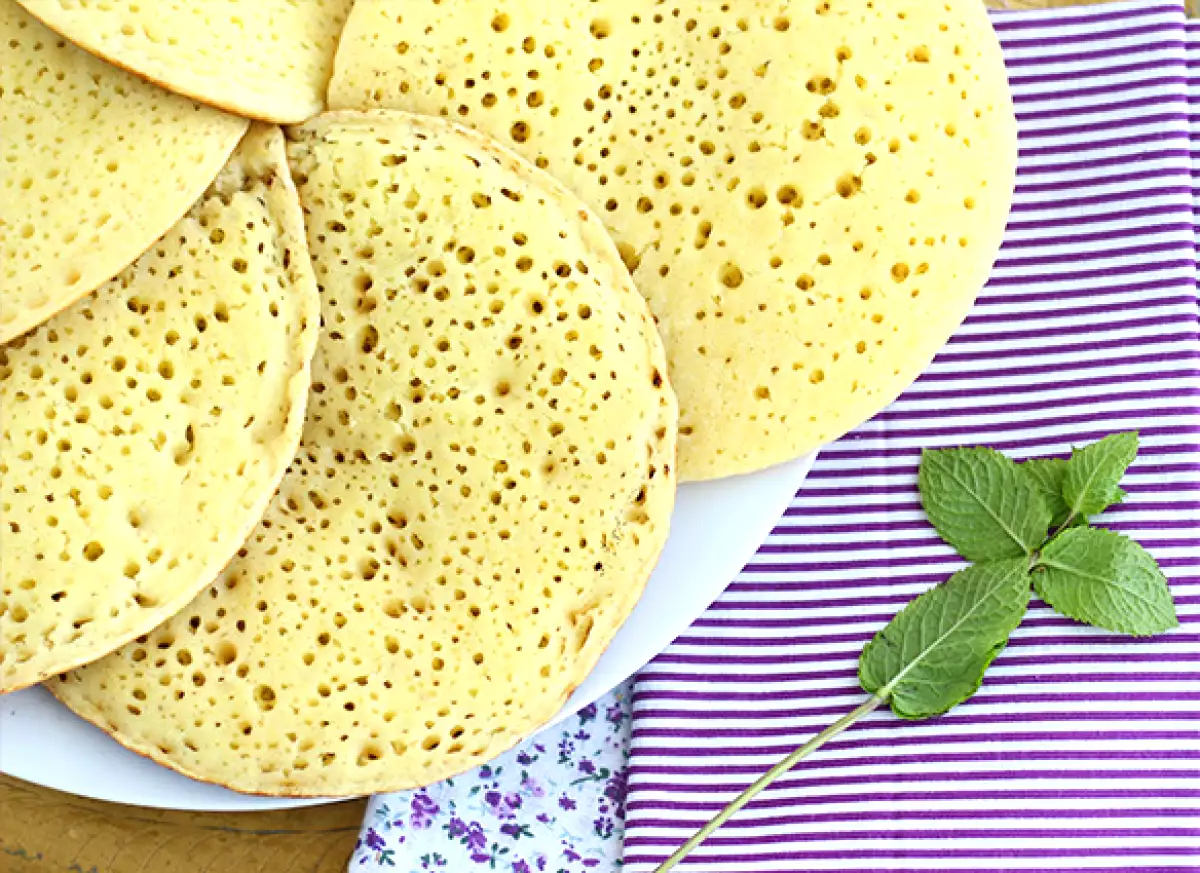
Serve them freshly made, still warm, to enjoy them at their best, and that's it, if you like, with mint tea.
From the Maghreb to our dining room at home
The fact that a dish is born in the intimacy of a kitchen does not prevent it from traveling. There is a detail that makes it very contemporary: the baghrir is demonstrative. It is understood just by looking at it (and, above all, with the first bite). Perhaps that is why it appears naturally on tables outside the Maghreb.
 Patricia González
Comments