Cooking shrimp with shells on: the surprising outcome that even experienced cooks say surprised them
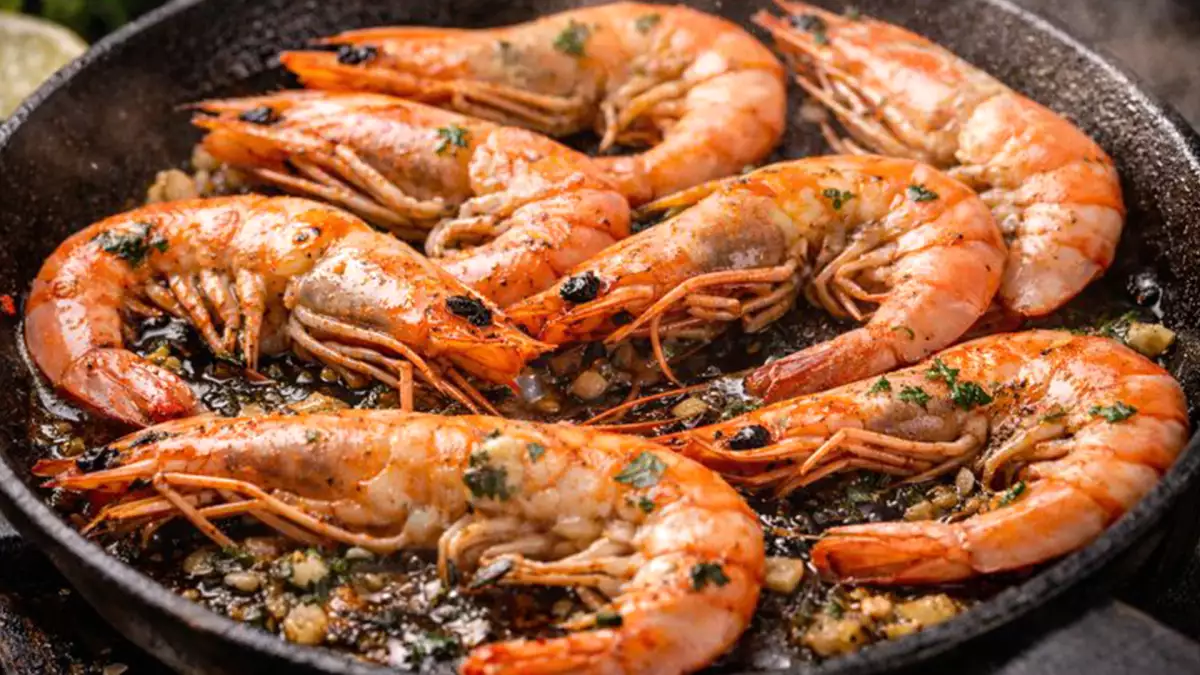
When preparing shrimp, many people rush to peel them as soon as possible; whether out of habit, for convenience, or even because they think the shells interfere with the flavor. But is cooking shrimp with the shells on really a mistake?
Or are we missing out on a chef’s trick that can completely transform the final result?
The truth is that cooking shrimp with the shells on changes everything. And we’re not just talking about appearance: flavor, texture, and even convenience during preparation can improve. Surprisingly, many professionals advocate keeping the shells on as one of the secrets to juicy, flavorful shrimp; something that even those who have been cooking for years often overlook.
More flavor on your plate
The shrimp shell acts as a kind of natural shield. When you cook the shrimp with the shell on, the juices and moisture in the meat are better preserved, resulting in a much juicier and firmer texture. Have you ever noticed how peeled shrimp can easily become dry, rubbery, or “overcooked”? The shell helps prevent that.
In addition, the shell concentrates natural aromatic compounds that, when exposed to heat, release a deep and distinctive flavor—especially if you’re grilling, roasting, or sautéing. It acts as a natural flavor enhancer.
The trick that chefs know but many people don't
In many professional kitchens, shrimp are intentionally cooked with their shells on and sometimes even with their heads. This is no accident: in addition to preserving the quality of the meat, this adds complexity to the final dish, especially when the shrimp are used in broths, risottos, moquecas, or richer preparations.
In fact, if you usually throw the shells away, you may be wasting the most flavorful part of the shrimp. They are the perfect base for broths, bisques, and rich sauces used in refined seafood dishes.
But what about practicality?
Of course, it’s not all roses. Cooking with the shells on requires a little more attention when eating, since the shrimp need to be peeled before serving. But this can be easily worked around:
- In everyday recipes, you can leave the shells on only during preparation and remove them before plating.
- In more rustic dishes or for snacking (like grilled shrimp with shells), the shells can be part of the experience.
Oh, and if the idea of leaving the shells on your food seems “sloppy,” know that in many culinary cultures this is completely normal and even valued.
When to use it with or without the peel
With skin:
- Grilled and roasted
- Broths and soups
- Moquecas and risottos
- Shrimp for snacking
Peeled:
- Stroganoff
- Fillings and pastries
- Dishes where delicate texture is more important than appearance
Cooking shrimp with the shells on isn’t just possible, it may actually be the best choice for preserving flavor, texture, and even reducing waste. The idea that the shells get in the way is a myth that many people hold out of habit, not because of the results.
Not sure? Try both ways. But be warned: once you’ve tried shrimp with the shell on, cooked just right, it’ll be hard to go back.
 Mirella Mendonça
Comments