Don't make this summer mistake: foods you should never leave in a hot car (nearly everyone does)
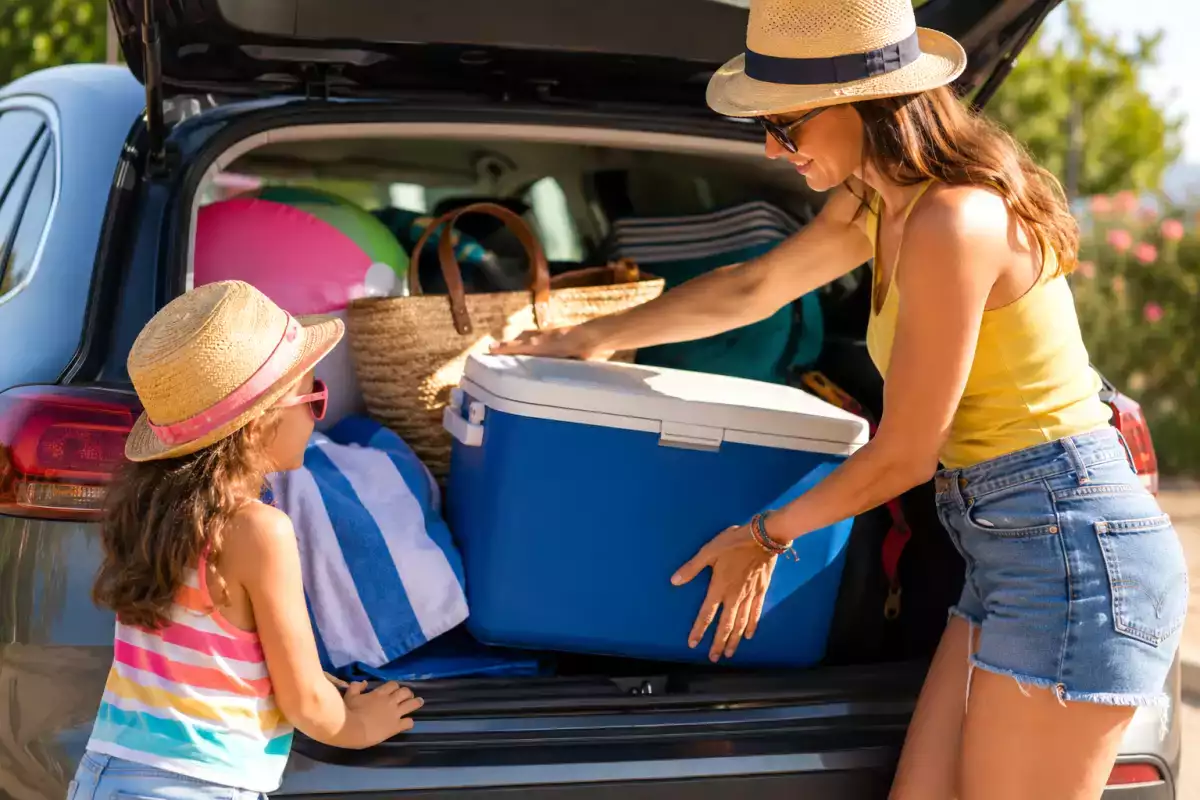
Every summer, thousands of travelers pack their cars to head to the beach, a campground, or a vacation home. Amid the towels, suitcases, and toys, there’s one detail that almost no one pays attention to: food.
The problem is that when a car is parked in the sun, the temperature inside can easily exceed 122° F/50 °C, creating the perfect environment for many foods to spoil quickly. In some cases, it takes less than an hour for the risk of bacterial contamination to increase significantly.
If you usually bring snacks, drinks, or ingredients for cooking on vacation, these are the foods you should never leave inside your car during the summer.
1. Meat and sausages
Cold cuts, roasted chicken, steaks, ground meat, fresh sausages, or any other type of meat are extremely sensitive to heat.
When left in a hot car for several hours, they quickly enter the so-called “danger zone” (between 41 °F/5 °C and 140 °F/60 °C) where bacteria multiply rapidly.
Even if the food looks normal, it may no longer be safe to eat.
The best practice: always transport it in a cooler with ice packs and place it in the refrigerator as soon as you arrive at your destination.
2. Dairy products
Milk, fresh cheese, butter, cream, yogurt, and cream cheese also do not tolerate high temperatures.
In addition to losing quality, they can develop microorganisms that cause food poisoning.
Aged cheeses hold up a little better, but they shouldn’t be left for hours inside a closed car in the sun either.
3. Eggs
Many people bring eggs to cook while camping or on vacation.
Although they seem durable because of their shells, high temperatures promote bacterial growth, especially when there are constant fluctuations between hot and cold.
If you’re traveling for several hours, it’s best to keep them refrigerated.
4. Sandwiches
It's a travel classic.
But a sandwich with ham, cheese, mayonnaise, tuna, or chicken can become a problem if it stays in the car too long.
The heat speeds up the spoilage of the ingredients and increases the risk of food poisoning.
If you make sandwiches before leaving, always keep them in a cooler.
5. Ready-to-eat salads
Pasta, rice, potato, or tuna salads are very popular in the summer because they’re convenient.
The problem is that many contain mayonnaise, eggs, or cooked ingredients that shouldn’t be left unrefrigerated.
The longer they’re left in the heat, the greater the risk.
6. Pre-cut fruit
Sliced watermelon, cantaloupe, pineapple, or mango are refreshing, but they spoil much faster than whole fruit.
Once cut, they should be kept refrigerated until ready to eat.
If you want to take fruit to the beach, opt for whole apples, peaches, nectarines, or bananas.
7. Chocolate
This is perhaps the food that most people forget about.
It doesn’t pose a health risk like meat or dairy products, but it only takes a short time inside the car for it to melt completely.
Furthermore, when it solidifies again, it loses its texture and quality.
8. Plastic water bottles exposed to heat
Although water itself doesn't spoil, leaving plastic bottles for many hours in very high temperatures is not recommended.
Heat accelerates the degradation of plastic, especially when the bottle is exposed directly to the sun.
Whenever possible, use reusable stainless steel bottles or keep the bottles in a cooler.
9. Carbonated beverages
Soft drinks and carbonated beverages can build up excessive pressure when left in the heat.
The result can be unpleasant: when you open the can or bottle, the drink may spill out immediately.
How to transport food safely while on vacation
If you're heading to the beach, going camping, or staying at a vacation home, follow these simple recommendations:
- Always use a good-quality cooler.
- Place ice packs or cooling packs inside.
- Open the cooler only when necessary.
- Avoid leaving food in the car during extended stops.
- As soon as you arrive at your destination, immediately place the food in the refrigerator.
- If you have any doubts about the condition of a food item, don’t take any chances: throw it away.
Foods that hold up best during travel
Not everything needs to be refrigerated.
Some foods are much more practical for long trips:
- Whole fruit.
- Nuts.
- Cookies.
- Bread.
- Unopened canned goods.
- Cereal bars.
- Peanut butter.
- Nuts and seeds.
Even so, they should be protected from direct sunlight to preserve their quality.
It's really worth being careful
On vacation, it’s easy to forget a cooler in the trunk or leave groceries in the car while you go out for lunch. However, this small oversight can spoil expensive food and, more importantly, increase the risk of food poisoning that could ruin your vacation.
Just a few minutes of preparation before your trip are enough to keep your food safe, avoid waste, and enjoy your vacation with much greater peace of mind.
 Mirella Mendonça
Comments