In Tuscany, this soup turns stale bread into a real gourmet dish
Friday 20 November 2026 21:00 - Adèle Peyches
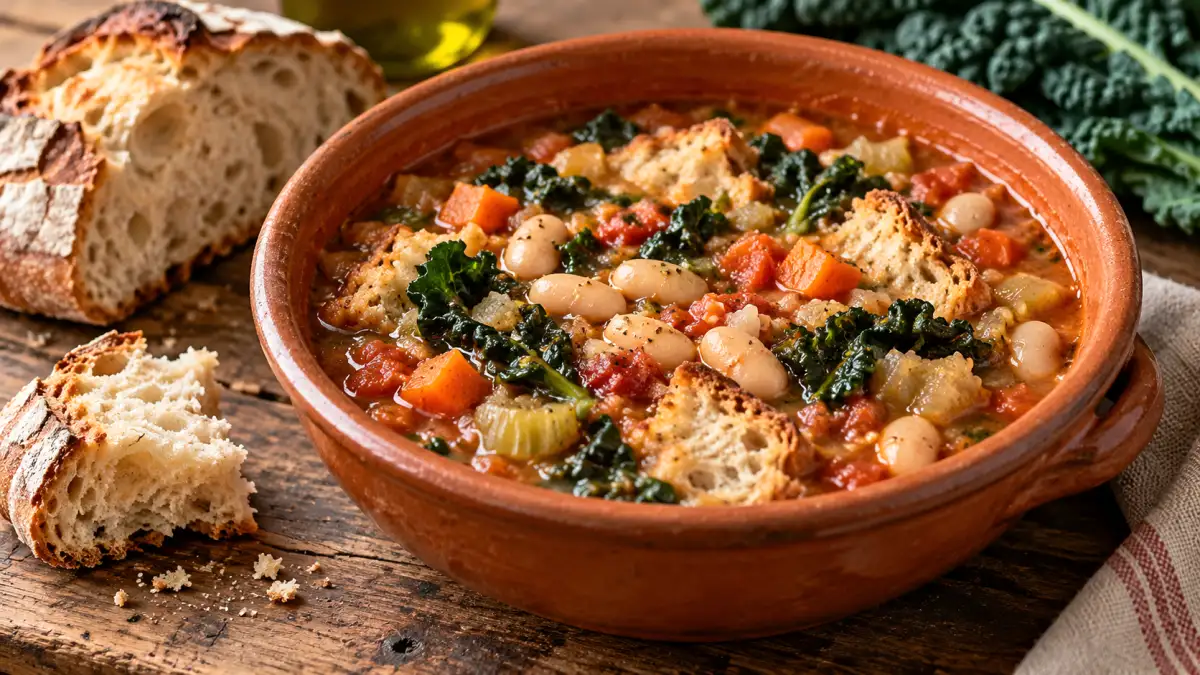
Do you have some day-old bread that’s starting to get hard? Whatever you do, don’t throw it away! In Tuscany, they’ve found a particularly delicious way to give it a second life. Its name? Ribollita.
At Ptitchef, we love these family recipes that go a long way with next to nothing. So we’re taking you to Italy to discover this hearty soup and all the tips for making it at home ↓
What is ribollita?
Ribollita is a traditional Tuscan soup made with vegetables, white beans, and stale bread.
Its name roughly means “reboiled.” Why? Because it’s often made in large quantities and then reheated the next day. And as with many slow-cooked dishes, the flavors have had time to blend together beautifully!
It’s often very thick, almost like a stew. So don’t expect a light broth: here, the bread is part of the recipe and gives the whole dish a particularly comforting texture.
Vegetables that make all the difference
The Tuscan version often includes black cabbage, known as cavolo nero, carrots, onions, and celery.
Never seen black cabbage at your local produce store? Don’t worry! You can make a similar soup using green cabbage. The result will be a little different, but just as delicious.
Add a few tomatoes if your recipe calls for them and let the vegetables simmer gently. It’s this cooking time that will make them nice and tender and infuse the broth with flavor.
The little extra touch? A drizzle of olive oil just before serving. Simple and delicious!
White beans: a must-have!
Add white beans to the vegetables. They make the soup hearty and contribute to its creamy texture.
Our favorite tip? Mash a small portion of the beans with a fork before stirring them in. This will give you a thicker soup without adding cream.
To save time, canned beans work very well. Drain and rinse them before using. As for dried beans, be sure to soak and cook them according to the instructions.
And what about stale bread in all this?
That’s what makes ribollita so special! You typically use day-old country bread, cut into pieces.
When it comes into contact with the hot broth, it soaks up the liquid, softens, and binds the vegetables together. The result is a thick, mild, and hearty soup.
Add it gradually: if you use too much bread, your soup could turn into a thick puree. If needed, pour in a little hot broth to restore the desired consistency.
Of course, we’re talking about stale bread here , not moldy bread. If you see any mold, toss it in the trash.
How can you make it at home?
Sauté an onion, a carrot, and some celery in a little olive oil. Add the thinly sliced cabbage, broth, and tomatoes if desired. Cook until the vegetables are tender.
Then stir in the white beans—some of them mashed—and the bread cubes. Gently mix so the bread absorbs the flavors.
All that’s left is to season and serve! A few twists of the pepper mill and a drizzle of olive oil will work wonders.
And if you want to eat it the next day, cool it quickly, then store it in the refrigerator before reheating it thoroughly. Don’t leave cooked soup on the stove overnight.
Why we love it so much at Petitchef
Because it brings together everything we love: simple ingredients, an affordable dish, and zero bread waste!
You can even adapt the vegetables to whatever’s left in your crisper, as long as you keep the beans and bread to stay true to the spirit of the recipe.
Serve the ribollita in large bowls and settle in comfortably. When you see just how delicious it is, it’s hard to imagine that it started out as a way to use up leftovers ;-)
What about you—what do you make with your stale bread? Share your tips in the comments!

Editorial Manager of Petitchef’s French edition, Adèle is passionate about food and gastronomy. A former culinary tour guide in Bordeaux, she explores food traditions worldwide, seasonal ingredients and shares her discoveries through recipes and practical advice.
Comments