Grandma's simple trick to banish fried-food odors fast: refresh your kitchen, couch and house

Did you fry two zucchini, and now it feels like the whole house has turned into a fry shop? It happens.The smell of fried food in the house is one of those scents that makes you hungry at first, but after dinner, it seeps into everything: curtains, the couch, your hair, the hallway, and even the bedroom—where no one has ever seen a frying pan.
Grandmas’ natural trick was simple: don’t cover up the smell, but neutralize it while you’re cooking, using common ingredients like vinegar, lemon, and bay leaves.
You might also be interested in:
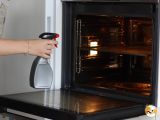 3 Chemical-free ways to clean your oven!
In this article you will discover eco-friendly techniques to turn oven cleaning into a breeze. From natural i abrasive pastes to degreasing steamers, you're sure to find a method that suits your needs.
 How to instantly remove onion smell from your hands: one easy kitchen trick that really works
Chopping onions can be therapeutic for some and unbearable for others—but we all agree on one thing: that strong smell that lingers on your hands afterward is hard to ignore. Soap and water don’t always do the trick, and the smell can last for hours. The good news? There are simple, inexpensive, and effective solutions to get rid of this nuisance quickly.
Why does the smell of fried food lingers in the house for so long?
Another factor is the oil’s temperature. If the oil smokes or gets too hot, the smell becomes more intense and persistent. Frying done right isn’t just more enjoyable to eat—it also leaves fewer traces in the kitchen. That’s why, when wondering how to get rid of the smell of fried food, you need to consider two key moments: during cooking and immediately afterward.
Grandma's trick: water, vinegar, and bay leaves on the stove
There’s no need to fill the kitchen with steam—a small amount is enough. You can use a glass of water, half a glass of white vinegar, and two or three bay leaves. If you’re not keen on the smell of vinegar, add some lemon zest: the scent becomes fresher and more homey, without making your living room feel like a chemistry lab.
This method is useful because it works on the air, not just on surfaces. It’s one of the most practical remedies for anyone who wants to eliminate the smell of fried food from the kitchen without using scented sprays, which often just mask the odor for half an hour and then disappear, leaving the fried food smell right where it was.
Lemon and rosemary: the natural solution when you want a gentler scent
Don’t expect lemon to completely erase the smell of deep-fried fish as if nothing had happened, but it’s very effective for light fried foods, vegetables, french fries, and small dishes. The advantage is that it leaves a natural, clean feeling, without overly intrusive artificial scents.
An important tip: don’t throw away the squeezed peels. Even after the juice is gone, the peel still contains fragrant essential oils. It’s a small anti-waste gesture and very “grandma-style”: you use what you have, and you use it well.
What to do while frying to keep the smell from spreading throughout the house
Prevention is half the battle. If you wait until you’re done frying, you’ll have to chase the smell from room to room. It’s better to stay one step ahead with a few simple habits:
- turn on the range hood a few minutes before you start;
- close the doors to adjacent rooms, especially bedrooms and the living room;
- open a window to allow for a gentle flow of air, without a strong draft blowing directly onto the pan;
- fry in a deep pot to minimize splattering;
- change the oil when it turns dark or gives off a strong odor;
- Keep a small pot of vinegar, lemon, or bay leaves nearby while the hood is running.
These tips may seem trivial, but they make all the difference. The range hood shouldn’t have to work only when the kitchen already smells like a festival—it should be turned on right away. Even a closed living room door can save your curtains and cushions from that lingering scent that no candle can truly mask.
How to remove the smell of fried food from curtains, sofas, and fabrics
A helpful remedy is to leave a bowl of baking soda in the room for a few hours: it helps absorb any lingering odors. Dry ground coffee, placed in a small bowl, can also help reduce odors in the room. It should not be rubbed onto fabrics—it’s used solely as a natural odor absorber.
For those wondering how to remove the smell of fried food from the living room, here’s the key: first, air out the room; then, absorb the odors; then, clean. Using air fresheners without removing the grease from the air risks creating an inelegant mix: fried food mixed with vanilla isn’t exactly the scent you want to offer your guests.
Mistakes that make the smell of fried food even more lingering
After frying, immediately pick up the greasy paper towels, wipe down the stovetop, and wash the pan as soon as possible. Also wipe down the tiles near the stove: the odor often lingers there, trapped in a thin, invisible film of grease. For a quick cleanup, use hot water and a little dish soap, then dry everything thoroughly.
Another common question is: Do scented candles eliminate the smell of fried food? Not really. They can make the room more pleasant, but they don’t remove the greasy particles. It’s best to use them only after you’ve aired out the room and cleaned it, not as your first step.
A fried dish to try with the right techniques
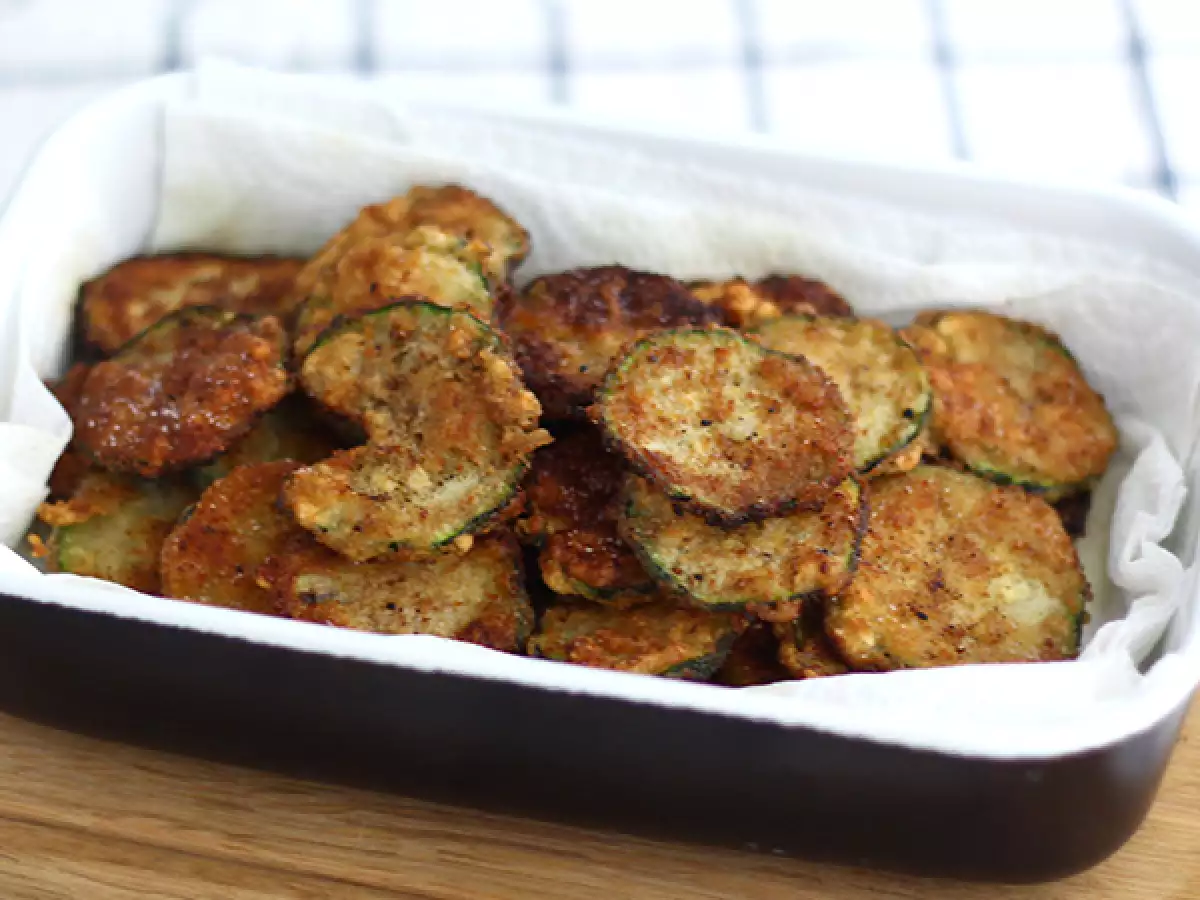
What if we swapped traditional potato chips for a snack before dinner? For this, we chose a vegetable dressed all in green: zucchini ;-)
 Daniele Mainieri
Comments