Grapes go soft after a few days: these 4 tips really make a difference in how long they last...
Saturday 31 October 2026 21:00 - Adèle Peyches
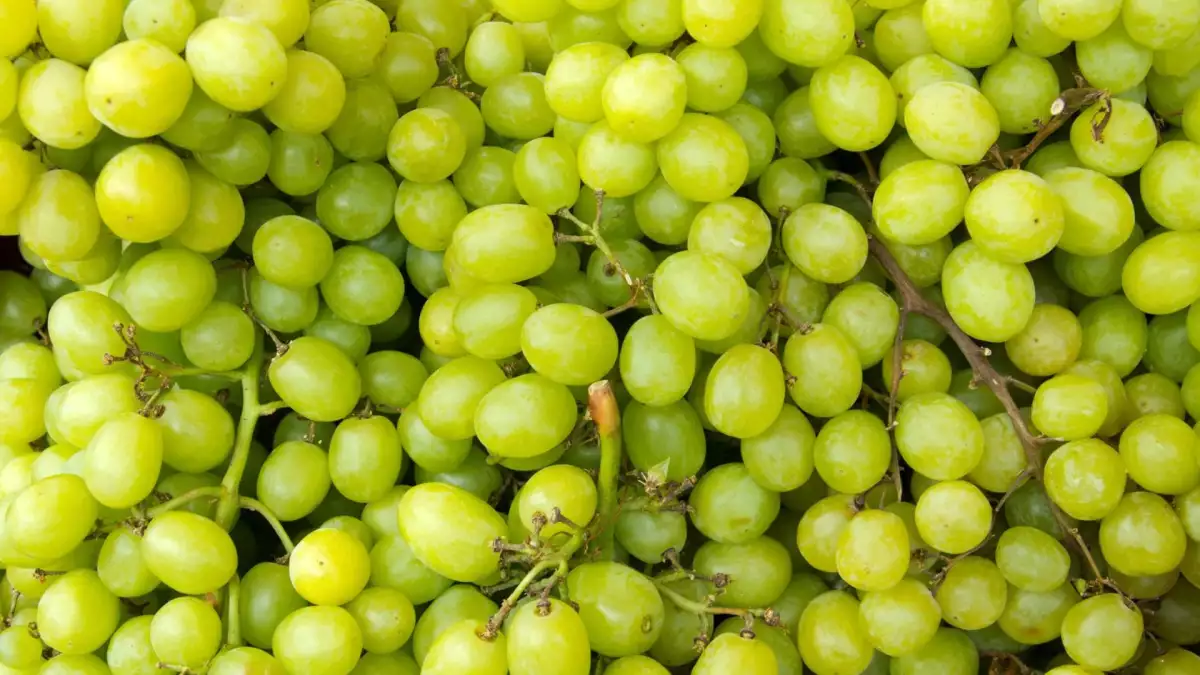
Grapes are fairly easy to store, but there’s one detail that makes a big difference: they don’t handle moisture trapped around the grapes very well.
So washing them as soon as you get home from the store to “save time” isn’t necessarily a good idea. Cold temperatures help, yes, but grapes also like to stay dry and breathe a little.
Step 1: Start by removing any beans that are already damaged
Before putting the bunch of grapes away, take ten seconds to look at it.
A split, very soft, brown, or already moldy grape can speed up the spoilage of the rest. The best thing to do is to remove any grapes that are clearly damaged.
However, there’s no need to remove all the others. Grapes keep better when they remain on the stem until you’re ready to eat them.
A split, very soft, brown, or already moldy grape can speed up the spoilage of the rest. The best thing to do is to remove any grapes that are clearly damaged.
However, there’s no need to remove all the others. Grapes keep better when they remain on the stem until you’re ready to eat them.
Step 2: Head to the refrigerator, but don't leave it completely exposed to the air
At room temperature, grapes lose their freshness more quickly. The Ministry of Agriculture states that they can last up to about 15 days in the refrigerator under the right conditions.
The crisper drawer is therefore a good option.
But leaving the bunch exposed on a shelf for several days isn’t ideal either: cold, dry air can cause them to dry out.
The right balance is cool temperatures, a little protection, and enough airflow to prevent trapped moisture.
The crisper drawer is therefore a good option.
But leaving the bunch exposed on a shelf for several days isn’t ideal either: cold, dry air can cause them to dry out.
The right balance is cool temperatures, a little protection, and enough airflow to prevent trapped moisture.
Step 3: A perforated bag is fine, but a completely airtight container isn't necessarily required
A perforated bag, the original packaging (if it’s well-ventilated), or a box with openings will protect the beans while allowing moisture to escape.
A completely airtight box can cause problems if condensation forms. You’ll then end up with exactly what raisins dislike most: moisture around the grapes for several days.
If you’re using a standard box, make sure above all that the raisins are completely dry.
A completely airtight box can cause problems if condensation forms. You’ll then end up with exactly what raisins dislike most: moisture around the grapes for several days.
If you’re using a standard box, make sure above all that the raisins are completely dry.
Step 4: Don't wash the grapes until you're ready to eat them
This is probably the easiest tip to remember.
Grapes keep better when unwashed. If you rinse them as soon as you get home from the store, small droplets may remain between the grapes and around the stem.
This extra moisture can cause the grapes to soften and develop mold.
It’s best to take only the amount you need, rinse it under cold water right before eating, and then drain it thoroughly.
So, should I use a sealed container, a perforated bag, or leave the bunch as is?
To sum up: a perforated bag is often the best compromise.
It prevents the fruit from drying out while allowing a little air to circulate.
A box can work if it’s ventilated or if you keep an eye on condensation. A bunch left completely exposed to the open air can dry out faster.
The idea, then, isn’t to allow a lot of air to circulate, but simply to avoid a humid, enclosed environment.
Why do grapes get mushy, even in the refrigerator?
Grapes naturally lose moisture over time, which eventually causes the berries to soften and wrinkle. Conversely, too much moisture around the bunch promotes spoilage and mold.
So it’s important to strike this delicate balance: prevent them from drying out without letting them get damp.
That’s why slightly ventilated packaging works better than a completely exposed bunch or a box full of condensation.
So it’s important to strike this delicate balance: prevent them from drying out without letting them get damp.
That’s why slightly ventilated packaging works better than a completely exposed bunch or a box full of condensation.
One grape is soft: should you throw away the whole bunch?
Not necessarily.
If one or two grapes are just a little soft, remove them and check the rest. However, if you see mold, burst grapes with juice leaking out, or several areas that are badly damaged, it’s best to err on the side of caution.
Sort through the bunch regularly rather than waiting for the problem to spread.
And what about that thin white film on the grains? Don't rub it off for no reason
The whitish film sometimes seen on the skin of grapes is called bloom.
It is not dirt, nor is it a sign that the fruit is starting to mold. It is a thin, natural layer that protects the surface of the grape.
The Department of Agriculture even considers it a good indicator that the grapes haven’t been handled too much.
So there’s no need to scrub the grapes before storing them.
Should you take grapes out of the fridge before eating them?
If you have the time, yes.
Very cold grapes often seem less fragrant. The Ministry of Agriculture recommends taking them out of the refrigerator about an hour before eating so that their aromas can develop more fully.
Of course, this isn’t necessary if you like to eat them very cold.
Very cold grapes often seem less fragrant. The Ministry of Agriculture recommends taking them out of the refrigerator about an hour before eating so that their aromas can develop more fully.
Of course, this isn’t necessary if you like to eat them very cold.
The tip to remember to avoid soft spots
When you get home from grocery shopping, don’t wash anything.
Remove any damaged grapes, keep the bunch dry, place it in the refrigerator in a perforated bag or a ventilated container, and then rinse only the grapes you’re going to eat.
It’s not much more complicated than that.
And most importantly, it prevents you from washing grapes “for convenience” on Sunday… only to find them already mushy by Wednesday ;-)
 Adèle Peyches
Editorial manager who just can't wait for winter to enjoy fondue! Passionate about gastronomy and always on the lookout for new culinary gems, I first studied law before returning to my first love: the taste of good products and the joy of sharing around the table :)
Comments