How long can you keep hard-boiled eggs in the refrigerator? Simple tips to store them safely
Sunday 30 August 2026 21:00 - Adèle Peyches
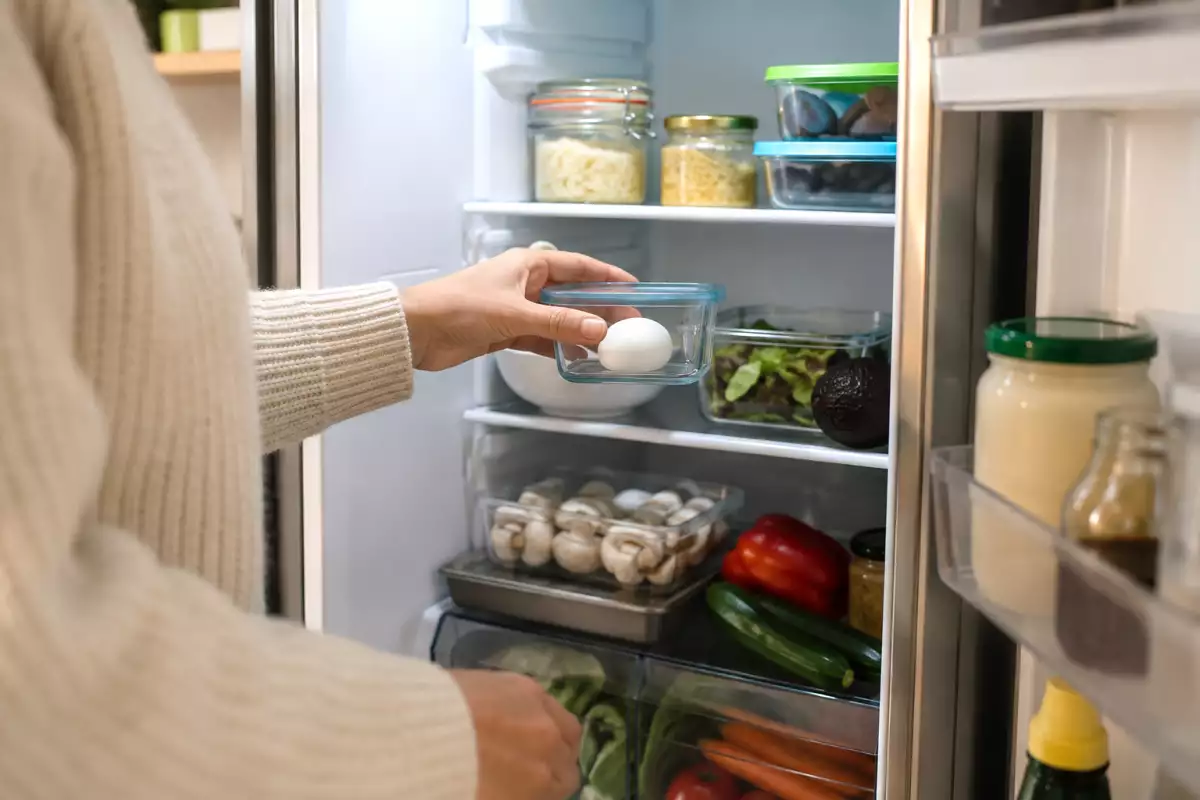
How long to keep a hard-boiled egg in the fridge
To put it simply, keep this rule in mind: a hard-boiled egg with its shell will keep for up to 3 days in the refrigerator. The shell still provides some protection for the cooked egg, even though it doesn’t make it a product that keeps for very long.
Once an egg is cooked, it no longer keeps as well as a raw egg. Cooking alters the egg’s natural protection and makes it more perishable over time. That’s why it’s best to avoid preparing a large batch of hard-boiled eggs “for the whole week” if you’re not sure you’ll use them quickly.
The most practical approach: cook just enough for 2 or 3 days, write the date on the shell or on the container, then store the eggs in the coldest part of the refrigerator. That way, you’ll know right away which ones to eat first.
Once an egg is cooked, it no longer keeps as well as a raw egg. Cooking alters the egg’s natural protection and makes it more perishable over time. That’s why it’s best to avoid preparing a large batch of hard-boiled eggs “for the whole week” if you’re not sure you’ll use them quickly.
The most practical approach: cook just enough for 2 or 3 days, write the date on the shell or on the container, then store the eggs in the coldest part of the refrigerator. That way, you’ll know right away which ones to eat first.
Peeled hard-boiled egg: why you should eat it faster
A hard-boiled egg that has been peeled is more vulnerable. Without its shell, it dries out faster, absorbs odors from the fridge more easily, and doesn't keep as long. The recommended storage time is therefore 24 hours in the refrigerator.
If you’ve already peeled several eggs, place them in a clean, airtight container. Avoid leaving them on an open plate or in the fridge door, where the temperature fluctuates more each time the door is opened. It’s best to use them quickly: in a mixed salad, a sandwich, on toast, as a topping, or simply with a little salt and pepper.
To save time without compromising freshness, try this tip: boil the eggs in advance, but peel them at the last minute. This is often the best balance between organization and safety.
If you’ve already peeled several eggs, place them in a clean, airtight container. Avoid leaving them on an open plate or in the fridge door, where the temperature fluctuates more each time the door is opened. It’s best to use them quickly: in a mixed salad, a sandwich, on toast, as a topping, or simply with a little salt and pepper.
To save time without compromising freshness, try this tip: boil the eggs in advance, but peel them at the last minute. This is often the best balance between organization and safety.
How to cool eggs properly after cooking
After cooking, don't leave hard-boiled eggs sitting out at room temperature for too long. Once cooked, run them under cold water or submerge them in a bowl of cold water to stop the cooking process and speed up cooling.
This step has two benefits: it prevents the yolk from continuing to cook, and it allows you to store the eggs in the refrigerator more quickly. Once the eggs are cold, pat them dry if necessary, then place them in a container or in their egg carton, keeping them clearly separated from raw eggs if you have any in the fridge as well.
One simple tip can really help: write the date they were cooked on the shell in pencil. For example: “cooked Monday.” That way, you won’t have to guess how long they’ve been there.
This step has two benefits: it prevents the yolk from continuing to cook, and it allows you to store the eggs in the refrigerator more quickly. Once the eggs are cold, pat them dry if necessary, then place them in a container or in their egg carton, keeping them clearly separated from raw eggs if you have any in the fridge as well.
One simple tip can really help: write the date they were cooked on the shell in pencil. For example: “cooked Monday.” That way, you won’t have to guess how long they’ve been there.
Where should I store them in the refrigerator?
Hard-boiled eggs should be stored in the refrigerator, in a cool, stable area. Avoid leaving them on the counter, even if you plan to eat them later in the day. In the summer, or when the kitchen is hot, it’s even more important to put them in the fridge right away.
The easiest way is to store them in a closed container, especially if they’ve been peeled. This helps prevent odors, contact with other foods, and drying out. If the eggs are still in their shells, you can keep them in a dedicated container with the date clearly visible.
Also, avoid taking them in and out repeatedly: taking the eggs out, leaving them on the table, and then putting them back in the fridge several times isn’t ideal. Take out only the amount you’re actually going to eat.
The easiest way is to store them in a closed container, especially if they’ve been peeled. This helps prevent odors, contact with other foods, and drying out. If the eggs are still in their shells, you can keep them in a dedicated container with the date clearly visible.
Also, avoid taking them in and out repeatedly: taking the eggs out, leaving them on the table, and then putting them back in the fridge several times isn’t ideal. Take out only the amount you’re actually going to eat.
Picnics, lunchboxes, salads: good habits
Hard-boiled eggs are very convenient for packed meals, but they require a little planning. If you’re putting them in a lunchbox or a salad, keep the meal refrigerated until you’re ready to leave, then use an insulated bag if the trip will take a while or if it’s hot outside.
For a picnic, it’s best to keep the eggs in their shells until serving time, whenever possible. If you’re preparing a salad with pre-sliced eggs, transport it in a cool container and eat it quickly. Hard-boiled eggs go very well with potatoes, tuna, green beans, tomatoes, rice, or a green salad, but they shouldn’t be left out in direct sunlight all afternoon.
In very hot weather, be even more careful: eggs are not the right food to leave on a buffet table or in a basket without refrigeration for a long time.
For a picnic, it’s best to keep the eggs in their shells until serving time, whenever possible. If you’re preparing a salad with pre-sliced eggs, transport it in a cool container and eat it quickly. Hard-boiled eggs go very well with potatoes, tuna, green beans, tomatoes, rice, or a green salad, but they shouldn’t be left out in direct sunlight all afternoon.
In very hot weather, be even more careful: eggs are not the right food to leave on a buffet table or in a basket without refrigeration for a long time.
When should you throw away a hard-boiled egg?
If you can't remember how long the hard-boiled egg has been in the refrigerator, it's best not to take any chances. An egg that has an unusual odor, a slimy texture, a strange color, or that has been forgotten for several days should be thrown away.
Also be careful with eggs that have already been peeled and are sitting in a box without a date. Even if they still look fine, they shouldn’t be kept for more than 24 hours once the shell has been removed. The best way to avoid food waste is therefore not to keep them too long, but to incorporate them into a meal the very next day.
For example, you can add them to a pasta salad, mash them with a little yogurt or mayonnaise to make a spread, serve them with raw vegetables, or use them to enhance a cold dish.
Also be careful with eggs that have already been peeled and are sitting in a box without a date. Even if they still look fine, they shouldn’t be kept for more than 24 hours once the shell has been removed. The best way to avoid food waste is therefore not to keep them too long, but to incorporate them into a meal the very next day.
For example, you can add them to a pasta salad, mash them with a little yogurt or mayonnaise to make a spread, serve them with raw vegetables, or use them to enhance a cold dish.
Mistakes to avoid when cooking hard-boiled eggs
The first mistake is cooking too many eggs without a specific plan. Before you start cooking, ask yourself how many you’ll actually eat over the next 3 days.
Second mistake: peeling them all at once “to save time.” It’s convenient in the moment, but it significantly shortens their shelf life. Instead, keep them in their shells and peel them only when you’re ready to serve.
Third mistake: forgetting to date them. One hard-boiled egg looks just like another, and after two days, you can’t always remember when it was cooked. Writing the date on the shell or on the container prevents any confusion.
Last mistake: transporting them without refrigeration in the summer. For an outdoor meal, use a sealed container, a cooler bag, and eat them quickly.
Second mistake: peeling them all at once “to save time.” It’s convenient in the moment, but it significantly shortens their shelf life. Instead, keep them in their shells and peel them only when you’re ready to serve.
Third mistake: forgetting to date them. One hard-boiled egg looks just like another, and after two days, you can’t always remember when it was cooked. Writing the date on the shell or on the container prevents any confusion.
Last mistake: transporting them without refrigeration in the summer. For an outdoor meal, use a sealed container, a cooler bag, and eat them quickly.
In summary: the simple rule to keep in mind
To be on the safe side, remember this rule: 3 days in the fridge with the shell on, 24 hours once peeled. Keep hard-boiled eggs refrigerated, date them, avoid leaving them out, and peel them at the last minute.
It’s a small habit that makes all the difference. You can continue to prepare hard-boiled eggs in advance for your salads, cold meals, or picnics, but with a clear time limit. The result: less waste, less uncertainty, and hard-boiled eggs used at just the right time.
It’s a small habit that makes all the difference. You can continue to prepare hard-boiled eggs in advance for your salads, cold meals, or picnics, but with a clear time limit. The result: less waste, less uncertainty, and hard-boiled eggs used at just the right time.
 Adèle Peyches
Editorial manager who just can't wait for winter to enjoy fondue! Passionate about gastronomy and always on the lookout for new culinary gems, I first studied law before returning to my first love: the taste of good products and the joy of sharing around the table :)
Comments