How to preserve your grandmother's porcelain cups (and avoid irreversible damage)
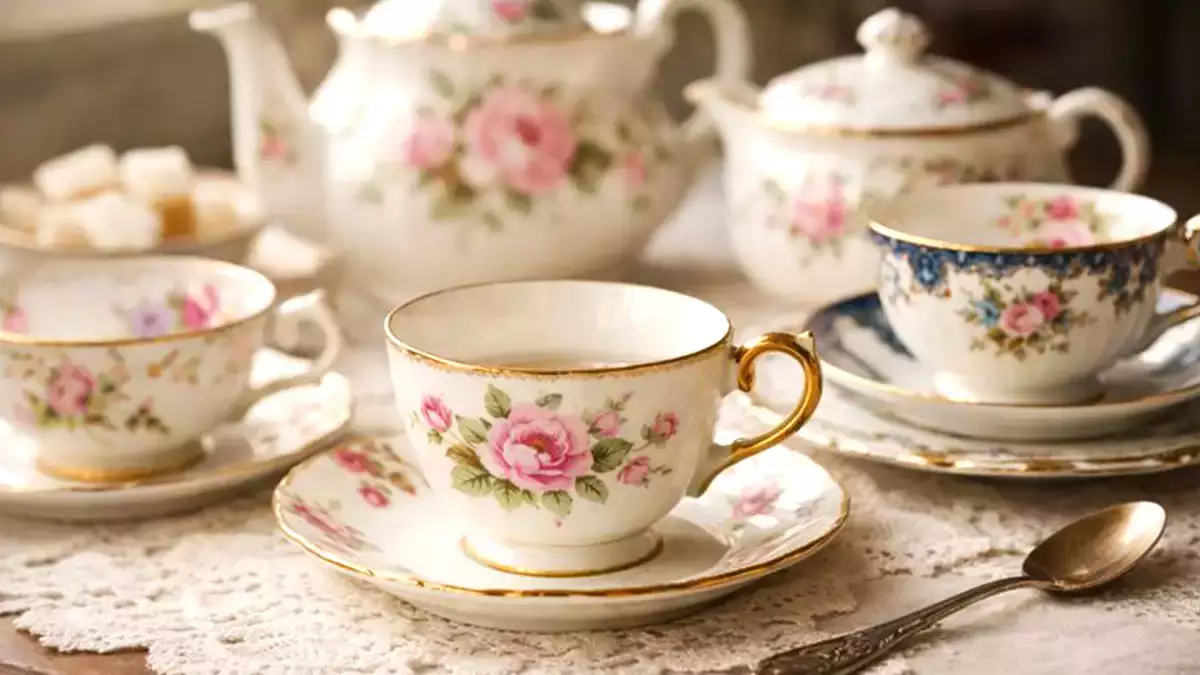
Your grandmother's porcelain cups carry much more than coffee or tea. They hold history, emotional memory and tradition, often passed down from generation to generation.
For this very reason, taking care of these pieces requires special attention. Small everyday mistakes can cause irreversible damage.
Why are antique cups more delicate?
Ancient porcelain was produced using different techniques to today. The glaze is usually thinner and the structure less resistant to thermal shocks. This explains why, in the past, it was common to add milk before tea: the practice helped prevent the cups from cracking.
In addition, many antique pieces have hand-painted details, gilded fillets or reliefs that wear out easily when poorly cared for.
Common mistakes you should avoid
Some habits seem harmless, but they are major villains for antique porcelain:
- Dishwashing: the intense heat and aggressive detergents can erase designs and cause microcracks.
- Very hot water directly on the cold cup: this causes thermal shock and can crack the piece.
- Stacking without protection: friction between the edges causes almost invisible chips at first.
- Rough sponges: they scratch the glaze and wear down the decoration.
How to properly wash old porcelain cups
Ideally, you should always wash them carefully by hand:
- Use lukewarm water, never boiling.
- Use neutral detergent.
- Use a soft sponge or cloth.
- Dry immediately with a clean, soft cloth, avoiding letting the garment drain on its own.
Storage precautions
Storing well is just as important as washing properly:
- Avoid stacking directly; place a piece of soft paper or felt between the cups.
- Store in a dry, well-ventilated place away from direct sunlight.
- If possible, store on stable shelves, away from vibrations.
Can I use the cups or should I just save them?
Using it carefully is better than leaving it forgotten. Occasional use, paying attention to the temperature of the drink, helps maintain the emotional bond with the piece. Avoid extremely hot drinks and never microwave the cups, especially if they have metal details.
Preserving is taking care of history
Preserving your grandmother's porcelain cups isn't just about keeping an object beautiful, it's about preserving memories, customs and family stories. With some simple care, these pieces can continue through the generations - intact and full of meaning.
 Mirella Mendonça
Comments