Is frozen fish worse? The myth that made you choose wrong for years
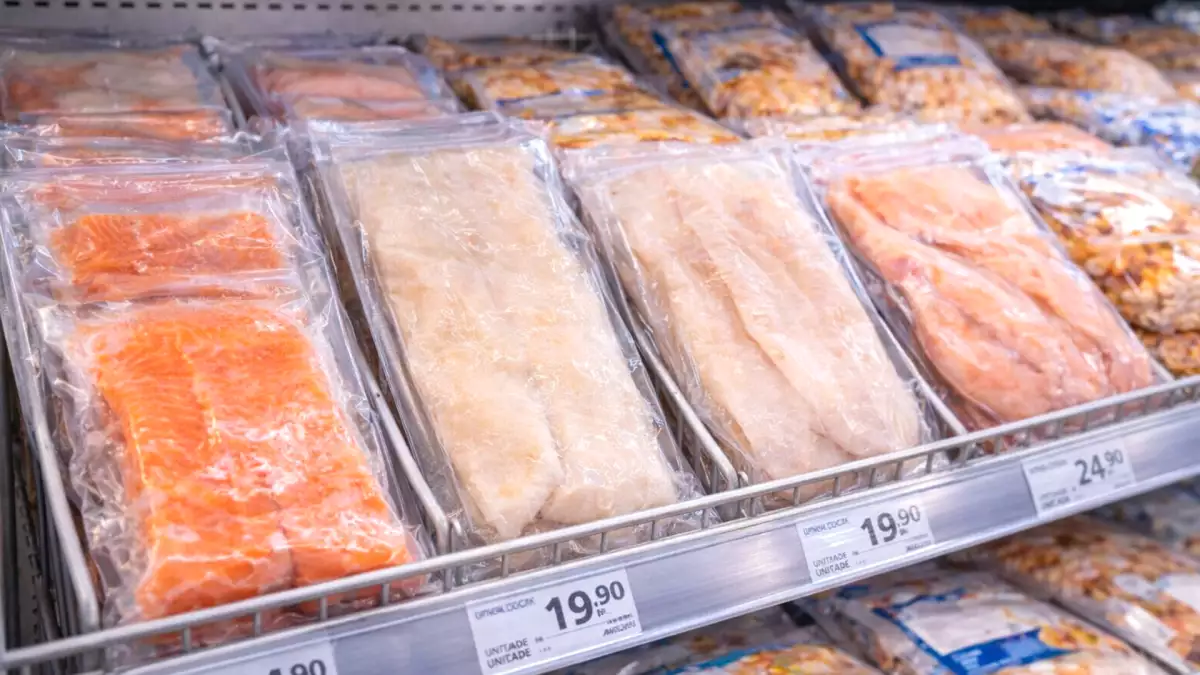
There is an almost automatic belief when it comes to fish: fresh is better, frozen is inferior. This idea is so ingrained that it is rarely questioned. At the market, the choice is usually quick and almost always inclined towards what seems most natural.
But what few people realize is that this decision doesn't always lead to the best result on the plate.
The difference between fresh and frozen fish goes far beyond its appearance or the way it is presented. There are invisible factors that directly influence the taste, texture and even the final experience of the recipe.
And the most curious thing is that, in some cases, frozen fish can surprise and even surpass fresh.
The myth that fish is always better fresh
The idea that fresh fish is automatically superior comes from the association with quality and proximity to origin. In many cases, this makes sense.
But there is an important detail: not all fish sold as fresh has just been caught.
Depending on the logistics, it may have spent days in transportation and storage before reaching the market. In other words, fresh doesn't always mean fresh.
What freezing really does to fish
Freezing, when done correctly, preserves most of the fish's characteristics.
Modern processes freeze the food quickly, which helps to maintain:
- texture
- taste
- nutrients
This means that, in many cases, frozen fish retains a quality very close to, or even better than, poorly preserved fresh fish.
The difference in the pan
It's in the preparation that everything is revealed.
Fresh fish tends to have a more delicate texture and a more pronounced flavor when it is in good condition.
Frozen fish, on the other hand, can have
- a slight change in texture
- release of more liquid
But this depends a lot on the quality of the freezing and thawing.
In the end, the difference is not just in the type, but in how the fish has been treated before it reaches your kitchen.
The detail that almost nobody considers
There is one decisive factor that most people ignore: time.
A fish that has been frozen immediately after being caught may, in practice, be fresher than a fish sold as fresh a few days later.
This is one of the biggest breaches of expectation and is rarely taken into account at the time of purchase.
When frozen may be the best choice
Frozen fish can be an excellent option when
- the origin of the fresh fish is uncertain
- the transportation time was long
- you are looking for practicality
It can also be stored for longer without any significant loss of quality when handled properly.
The most common mistake when choosing
The biggest mistake is to rely solely on appearance and the label.
Many people believe they are making the best choice just by opting for fresh, without considering factors such as:
- time out of water
- conservation
- origin
This automatic decision can lead to very different results than expected.
So which is better?
The answer is not so simple.
It's not a question of choosing fresh or frozen as an absolute rule. What really matters is the quality, the origin and the way the fish has been preserved.
Once you understand this, the choice changes
When you start looking at these details, the way you shop changes completely.
The decision is no longer based on a predefined idea, but on what really influences the result on the plate.
And that's when many people realize that it's not just about fresh or frozen, but about knowing how to choose more carefully.
 Mirella Mendonça
Comments