Light, sweet summer fruits that may help calm kids: refreshing snacks for hot, fussy days today
Friday 21 August 2026 10:00 - Mirella Mendonça
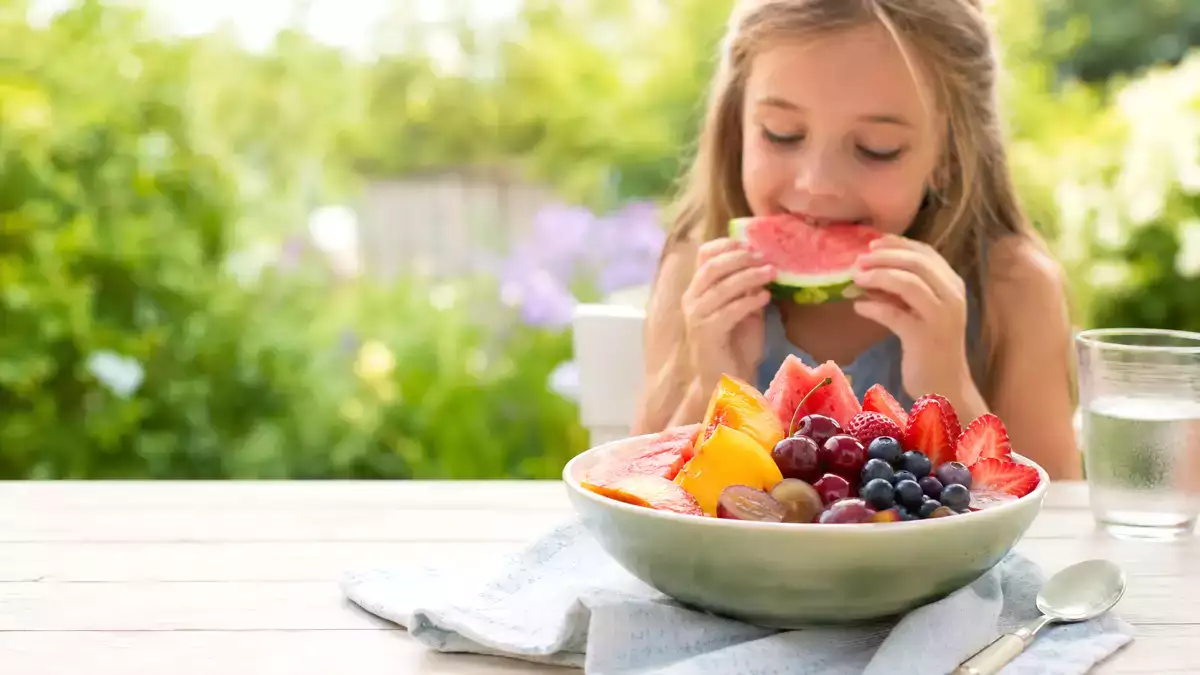
In the summer, children are often more restless due to the heat, thirst, changes in their routines, and accumulated fatigue.
Some seasonal fruits can help make snacks lighter, more hydrating, and more comforting, without replacing a varied diet or the advice of a healthcare professional when symptoms persist.
Why can fruit help you cool off on hot days?
On the hottest days, many children get restless because they’re thirsty, tired, or uncomfortable due to the heat. Offering fresh fruit can help because it provides hydration, gentle energy, and an immediate feeling of refreshment.
In addition, fruit is easy to eat in small portions. For many families, a colorful plate of cut-up fruit serves as a peaceful break: the child sits down, slows down, and regains some comfort before returning to play.
In addition, fruit is easy to eat in small portions. For many families, a colorful plate of cut-up fruit serves as a peaceful break: the child sits down, slows down, and regains some comfort before returning to play.
Watermelon: the most refreshing choice for very hot afternoons
Watermelon is one of the fruits most closely associated with summer. Because it’s very high in water content and naturally sweet, it’s a great choice for a snack after a trip to the beach, the park, or an afternoon outdoors.
Serve it in small triangles, seedless cubes, or on fruit skewers. For younger children, always adjust the size of the pieces to their age and chewing ability. Well-chilled watermelon can be a simple way to take a refreshing break and reduce the discomfort caused by the heat.
Serve it in small triangles, seedless cubes, or on fruit skewers. For younger children, always adjust the size of the pieces to their age and chewing ability. Well-chilled watermelon can be a simple way to take a refreshing break and reduce the discomfort caused by the heat.
Melon and cantaloupe: sweet, tender, and easy to serve
Cantaloupe and honeydew have mild flavors that many children enjoy. They are light fruits that are a common sight on tables during the summer and can be served as a snack or as dessert after a simple meal.
A good tip is to cut them into cubes and store them in the refrigerator in a sealed container. That way, when your child comes home tired or irritable, there’s a ready-to-eat option that’s fresh and easy to enjoy.
A good tip is to cut them into cubes and store them in the refrigerator in a sealed container. That way, when your child comes home tired or irritable, there’s a ready-to-eat option that’s fresh and easy to enjoy.
Peaches and nectarines: sweet comfort without the guilt
Peaches and nectarines combine sweetness, aroma, and a juicy texture that can be very comforting. They’re great for times when a child needs a calmer, yet still light, snack.
They can be served in slices, mixed with plain yogurt, or cut into small pieces. If your child doesn’t want the skin, remove it without turning the moment into a battle—the goal is to create a positive and peaceful experience.
They can be served in slices, mixed with plain yogurt, or cut into small pieces. If your child doesn’t want the skin, remove it without turning the moment into a battle—the goal is to create a positive and peaceful experience.
Cherries: small portions for a leisurely snack
Cherries are very popular in early summer. Because they’re small and sweet, they invite you to eat them slowly, which can help create a more peaceful moment.
It’s important to always remove the pits before offering them to young children. To make the snack safer and more convenient, serve the cherries already washed, pitted, and cut when necessary.
It’s important to always remove the pits before offering them to young children. To make the snack safer and more convenient, serve the cherries already washed, pitted, and cut when necessary.
Strawberries and raspberries: color, freshness, and a fun treat
Strawberries and raspberries are very appealing fruits because of their color and shape. They can help when a child isn’t in the mood to eat, because they make the dish more visually appealing and fun.
Try serving them with plain yogurt in a small bowl, or mixed with sliced bananas. Presentation matters: a pretty bowl, a small spoon, and a relaxed atmosphere can make a difference in mealtime behavior.
Try serving them with plain yogurt in a small bowl, or mixed with sliced bananas. Presentation matters: a pretty bowl, a small spoon, and a relaxed atmosphere can make a difference in mealtime behavior.
Grapes: refreshing, but be careful when cutting them
Grapes are convenient and very refreshing when they’re nice and cool. However, they require special care: for young children, they should be cut lengthwise into quarters to reduce the risk of choking.
They can be served as a snack after a nap, as part of a summer snack, or packed in a small box to take on an outing. The key is to keep portions moderate and age-appropriate.
They can be served as a snack after a nap, as part of a summer snack, or packed in a small box to take on an outing. The key is to keep portions moderate and age-appropriate.
How to serve fruit to create a more relaxing moment
More than just choosing the right fruit, it’s important to consider the environment. A tired or overheated child may first need water, shade, and a few minutes of rest. Then, the fruit can be part of that routine.
Good ideas include small plates, pre-cut fruit, wipes within reach, simple portions, and no pressure to eat everything. Avoid turning snack time into a long negotiation. The calmer the adult is, the easier it is for the child to accept the break.
Good ideas include small plates, pre-cut fruit, wipes within reach, simple portions, and no pressure to eat everything. Avoid turning snack time into a long negotiation. The calmer the adult is, the easier it is for the child to accept the break.
Simple tips for mixing things up during the week
To avoid monotony, alternate fruits with different colors and textures. One day, diced watermelon; the next, sliced peaches; another day, strawberries with yogurt. You can also prepare a small bowl with two or three types of fruit, without going overboard on the quantity.
Another helpful tip is to involve your child in the choice: asking “Do you prefer watermelon or peaches?” gives them a sense of autonomy without overwhelming them with too many options. This small decision can reduce tantrums and make snack time more collaborative.
Another helpful tip is to involve your child in the choice: asking “Do you prefer watermelon or peaches?” gives them a sense of autonomy without overwhelming them with too many options. This small decision can reduce tantrums and make snack time more collaborative.
Important tips for families
Although they are natural, fruits should be offered with common sense. Wash them thoroughly, cut them into age-appropriate pieces, be mindful of known allergies, and avoid excessive portions before main meals.
If the child is constantly irritable, very sleepy, showing signs of dehydration, has a fever, or has a persistent lack of appetite, fruit is no substitute for a medical evaluation. In these cases, it is best to contact a healthcare professional.
If the child is constantly irritable, very sleepy, showing signs of dehydration, has a fever, or has a persistent lack of appetite, fruit is no substitute for a medical evaluation. In these cases, it is best to contact a healthcare professional.
Summer fruits: great allies for families
Summer fruits can be great allies for families: they refresh, hydrate, bring joy, and help create more peaceful breaks on hot days. Watermelon, cantaloupe, peaches, cherries, strawberries, and grapes can easily be incorporated into daily routines, always keeping age and safety in mind.
The secret lies in pairing fresh fruit with calm, water, rest, and a relaxed atmosphere. That way, the snack becomes more than just food—it becomes a brief moment of balance in a child’s day.
The secret lies in pairing fresh fruit with calm, water, rest, and a relaxed atmosphere. That way, the snack becomes more than just food—it becomes a brief moment of balance in a child’s day.
 Mirella Mendonça
I am the editorial manager at Petitchef (Portugal and Brazil) and a huge enthusiast of travel and world cuisine, always in search of new flavors and experiences. However, as much as I love exploring the delights of different cultures, my mom's cooking will always be my favorite — with that unique flavor that only she can create.
Comments