Raw milk: between promised benefits and real risks, why the issue still divides people so much?
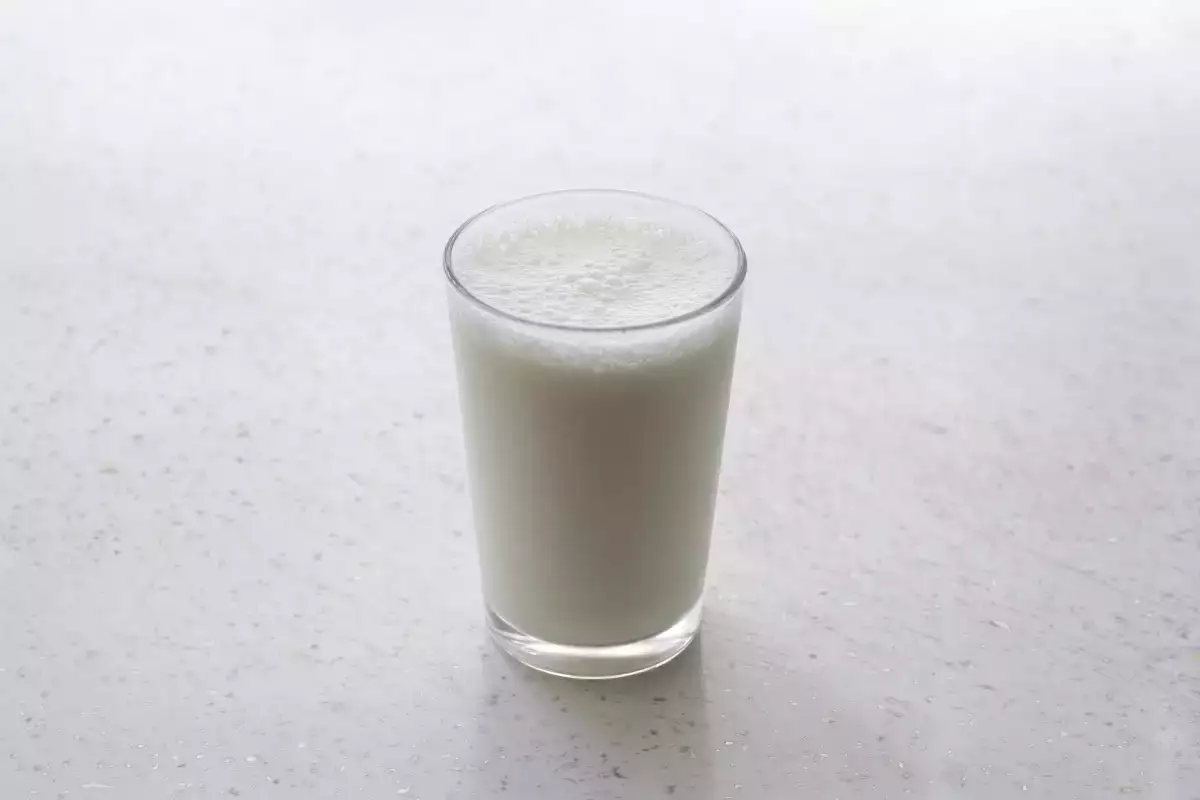
Some people seek it out at farm stands, while others think twice when they see the words “raw milk.” Why?
On the one hand, there’s the appeal of tradition; on the other, concerns about safety. Is raw milk really healthier than pasteurized milk? To answer this, we need to distinguish between taste and proven health benefits and understand the risks associated with a food product that hasn’t undergone heat treatment to ensure safety.
What is raw milk, and how is it different from pasteurized milk?
Beware of a common misconception: “raw” does not automatically mean organic, fresher, or more nutritious. And “pasteurized” does not mean tasteless. The fundamental difference, when it comes to health, concerns microbiological safety.
Why is raw milk so popular?
These are all understandable reasons. But we need to keep two things separate: appreciating an artisanal product and attributing therapeutic properties to it. A more intense flavor does not prove that that milk is better for your health.
Does raw milk have more vitamins and nutritional benefits?
There is no solid evidence that drinking raw milk offers greater health benefits than pasteurized milk. Pasteurized milk preserves key nutrients while avoiding unnecessary exposure to microorganisms.
Is raw milk easier to digest or better suited for people who are lactose intolerant?
What about “good” bacteria? The fact that milk contains microorganisms does not automatically make them probiotics. Nor is the idea that it prevents allergies or asthma proven: a few observations in rural settings are not enough to recommend its consumption.
What are the health risks associated with raw milk?
The problem is that milk that appears to be perfect may contain pathogenic bacteria. Among those associated with unpasteurized milk are Campylobacter, Salmonella, Listeria, and Shiga toxin-producing Escherichia coli (STEC).
These infections can cause diarrhea, abdominal cramps, vomiting, and sometimes fever. In some cases, STEC can lead to serious complications, such as hemolytic-uremic syndrome, which can damage the kidneys, especially in children.
The milk does not necessarily have to smell or taste bad; contamination is not detectable to the naked eye. If you experience bloody diarrhea, dehydration, or a decrease in urine output, seek prompt medical attention.
Who should avoid raw, unboiled milk?
- young children, who are particularly vulnerable to certain infections;
- pregnant women, due to potential risks to the unborn child;
- the elderly, who are more susceptible to complications;
- people who are immunocompromised or have weakened immune systems.
Why does raw milk have to be boiled before drinking it in Italy?
Boiling helps eliminate many of the microorganisms that can cause infections. It’s not enough to simply warm it in a saucepan or rely on the fact that it’s been kept in the refrigerator. After purchase, maintain the cold chain, follow the producer’s instructions, and bring the milk to a boil before consuming it. A product that has expired or been improperly stored, however, should not be salvaged by heating it.
If it comes from a certified dairy farm, is raw milk safe?
Furthermore, cold temperatures slow bacterial growth; they do not eliminate bacteria. Knowing the source is important, but it does not replace the recommended precautions for consumption.
Are raw-milk cheeses dangerous?
In the end, is it worth choosing raw milk?
The appeal of raw milk is easy to understand: its flavors, traditions, and direct connection to the local area. But its supposed nutritional benefits do not justify the risks of drinking it without heat treatment.
To enjoy a good glass of milk, you don’t have to choose between pleasure and caution: whether you opt for the flavor profile of raw milk (which must be boiled) or the convenience of high-quality pasteurized milk, the key always lies in reading labels carefully and following proper storage practices.
 Francesco Rosso
Comments