Stock up on food without panic-buying: how to build a small emergency cupboard
Friday 25 September 2026 17:00 - Juliette Hess
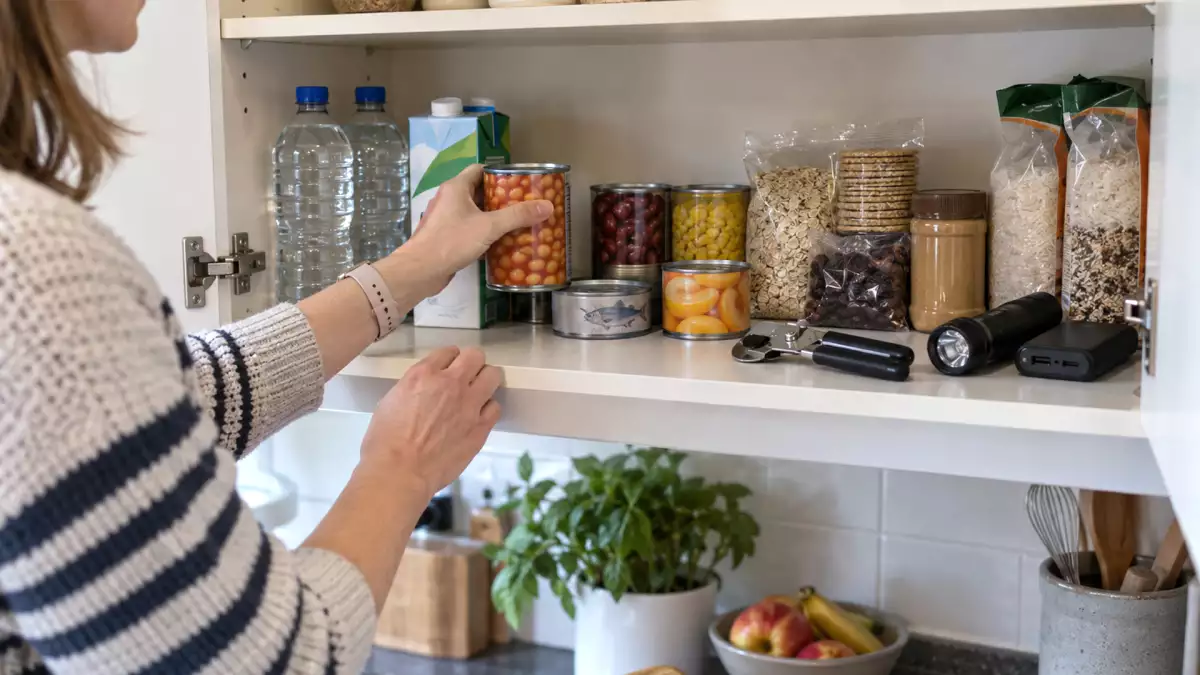
According to Google Trends UK, “stock up on food” appeared among the active trending searches over the past 24 hours, with more than 20,000 searches and a sharp increase in interest. That does not mean households need to panic-buy. The UK government’s Prepare guidance points in a much more practical direction: think about what your household might need during an emergency lasting a few days, such as a power cut, water outage, severe weather or a situation where people are asked to stay at home.
The goal is simple: create a small, organised cupboard that helps you cook, snack and stay hydrated if normal routines are interrupted. A good emergency cupboard should be useful, affordable, familiar and easy to rotate. In other words, buy foods you already enjoy, keep them together, and replace them gradually as you use them. Preparedness works best when it feels like common sense, not fear.
Why people are searching for “stock up on food”
Trending searches often reflect curiosity, uncertainty and a desire for reassurance.
When a phrase such as “stock up on food” rises quickly, many people are not necessarily planning to clear shelves. They may simply be asking what a reasonable household should keep at home. That is the useful angle: not fear, but preparation.
The UK government’s Prepare advice explains that emergencies can include severe weather, accidents, infrastructure failure, deliberate actions or other disruptions. Some events pass in a few hours, while others can affect normal life for several days. For food lovers and home cooks, this is a good reminder that a cupboard can be both practical and appetising.
When a phrase such as “stock up on food” rises quickly, many people are not necessarily planning to clear shelves. They may simply be asking what a reasonable household should keep at home. That is the useful angle: not fear, but preparation.
The UK government’s Prepare advice explains that emergencies can include severe weather, accidents, infrastructure failure, deliberate actions or other disruptions. Some events pass in a few hours, while others can affect normal life for several days. For food lovers and home cooks, this is a good reminder that a cupboard can be both practical and appetising.
The difference between a cupboard and a panic-buying haul
A modest emergency cupboard is planned; panic-buying is reactive.
Panic-buying usually means buying too much, too quickly and often choosing items that do not fit your household. A sensible cupboard is smaller, calmer and more useful. It includes foods that are shelf-stable, easy to open, easy to eat and familiar enough that they will not be wasted.
Think of it as a tiny back-up kitchen. A few tins of beans, vegetables, fish or fruit can become a meal. Crackers, oatcakes, nut butter, long-life milk, dried fruit and cereal bars can provide quick energy. Instant couscous, rice pouches or noodles can help if you still have a way to heat water. The best choices are the ones your household will actually eat before they expire.
Panic-buying usually means buying too much, too quickly and often choosing items that do not fit your household. A sensible cupboard is smaller, calmer and more useful. It includes foods that are shelf-stable, easy to open, easy to eat and familiar enough that they will not be wasted.
Think of it as a tiny back-up kitchen. A few tins of beans, vegetables, fish or fruit can become a meal. Crackers, oatcakes, nut butter, long-life milk, dried fruit and cereal bars can provide quick energy. Instant couscous, rice pouches or noodles can help if you still have a way to heat water. The best choices are the ones your household will actually eat before they expire.
Start with water, then add food
Water matters before menus.
The Prepare guidance notes that bottled water needs vary by household and situation. It references a minimum of 2.5 to 3 litres of drinking water per person per day for survival, with around 10 litres per person per day making things more comfortable by also covering basic cooking and hygiene needs.
After water, build food around simple categories: ready-to-eat tinned meals, tinned vegetables, tinned fruit, protein-rich options, dry snacks and foods for babies or pets if needed. A tin opener belongs with the food, not in a drawer across the kitchen. Add spoons, reusable cups and a small bag for rubbish so the cupboard works even if routines are disrupted.
The Prepare guidance notes that bottled water needs vary by household and situation. It references a minimum of 2.5 to 3 litres of drinking water per person per day for survival, with around 10 litres per person per day making things more comfortable by also covering basic cooking and hygiene needs.
After water, build food around simple categories: ready-to-eat tinned meals, tinned vegetables, tinned fruit, protein-rich options, dry snacks and foods for babies or pets if needed. A tin opener belongs with the food, not in a drawer across the kitchen. Add spoons, reusable cups and a small bag for rubbish so the cupboard works even if routines are disrupted.
Choose foods that do not need much cooking
The most useful emergency foods are the ones that can be eaten cold or prepared with minimal effort.
Ready-to-eat tinned meat, fish, beans, lentils, vegetables and fruit are practical because they are durable and flexible. Peanut butter or another spread can turn crackers into a quick snack. Long-life milk can make cereal or oats feel more comforting. A jar of sauce, some pickles or seasoning can make simple food taste brighter.
Do not forget dietary needs. Gluten-free crackers, dairy-free drinks, low-salt tins, baby formula or soft foods for older relatives may be essential in some households. A calm cupboard is personal: it should match the people who live there.
Ready-to-eat tinned meat, fish, beans, lentils, vegetables and fruit are practical because they are durable and flexible. Peanut butter or another spread can turn crackers into a quick snack. Long-life milk can make cereal or oats feel more comforting. A jar of sauce, some pickles or seasoning can make simple food taste brighter.
Do not forget dietary needs. Gluten-free crackers, dairy-free drinks, low-salt tins, baby formula or soft foods for older relatives may be essential in some households. A calm cupboard is personal: it should match the people who live there.
Build it gradually instead of buying everything at once
The most reassuring part of official preparedness advice is that you do not need to do everything today.
The UK Prepare guidance specifically suggests adding to an emergency kit when you are able and building it up over time. That is good for budgets, supermarket shelves and food waste. Add one or two extra shelf-stable items during a normal shop, then write the date on them and store the newest items at the back.
Every month, use one older item in a normal meal and replace it. This keeps the cupboard fresh and turns preparedness into a normal kitchen habit. It also avoids the classic problem of emergency food: forgotten tins hiding at the back of a shelf until years after their best-before date.
The UK Prepare guidance specifically suggests adding to an emergency kit when you are able and building it up over time. That is good for budgets, supermarket shelves and food waste. Add one or two extra shelf-stable items during a normal shop, then write the date on them and store the newest items at the back.
Every month, use one older item in a normal meal and replace it. This keeps the cupboard fresh and turns preparedness into a normal kitchen habit. It also avoids the classic problem of emergency food: forgotten tins hiding at the back of a shelf until years after their best-before date.
Remember the non-food basics too
An emergency cupboard is not only about dinner.
The government’s list also includes practical items such as a battery or wind-up torch, a portable power bank, a battery or wind-up radio, spare batteries, first aid items, hand sanitiser and wet wipes. These are the things that make a short disruption easier to manage.
For the kitchen, add a manual tin opener, matches or a safe lighter if appropriate, reusable cutlery, kitchen roll, bin bags and a small written list of what is inside the cupboard. Keep everything somewhere easy to find if the lights are not working.
The government’s list also includes practical items such as a battery or wind-up torch, a portable power bank, a battery or wind-up radio, spare batteries, first aid items, hand sanitiser and wet wipes. These are the things that make a short disruption easier to manage.
For the kitchen, add a manual tin opener, matches or a safe lighter if appropriate, reusable cutlery, kitchen roll, bin bags and a small written list of what is inside the cupboard. Keep everything somewhere easy to find if the lights are not working.
A calm shopping list for a small emergency cupboard
Here is a practical starter list for one household to adapt, not a universal rule.
Choose a few bottles of water, several tins of beans or lentils, tinned vegetables, tinned fruit, tinned fish or another protein, crackers or oatcakes, cereal bars, dried fruit, nut butter or another spread, long-life milk or a plant-based alternative, instant oats, rice pouches or couscous, plus food for pets or babies if needed.
Then add the practical extras: a tin opener, torch, power bank, batteries, first aid items, hand sanitiser and wet wipes. Keep it modest. The aim is preparedness without panic: enough to feel organised, not so much that it creates waste or takes food away from others.
Choose a few bottles of water, several tins of beans or lentils, tinned vegetables, tinned fruit, tinned fish or another protein, crackers or oatcakes, cereal bars, dried fruit, nut butter or another spread, long-life milk or a plant-based alternative, instant oats, rice pouches or couscous, plus food for pets or babies if needed.
Then add the practical extras: a tin opener, torch, power bank, batteries, first aid items, hand sanitiser and wet wipes. Keep it modest. The aim is preparedness without panic: enough to feel organised, not so much that it creates waste or takes food away from others.
 Juliette Hess
I have been creating culinary content for Petitchef since 2017.
I love travelling and discovering new dishes, trying out new food trends and exploring new restaurants.
I’m a huge fan of pasta and noodles in all their forms ❤ from udon noodles to tagliatelle, I love cooking them and even making them from scratch!
I’m currently preparing, filming and photographing your next recipe, and I hope you’ll enjoy it!
I love travelling and discovering new dishes, trying out new food trends and exploring new restaurants.
I’m a huge fan of pasta and noodles in all their forms ❤ from udon noodles to tagliatelle, I love cooking them and even making them from scratch!
I’m currently preparing, filming and photographing your next recipe, and I hope you’ll enjoy it!
Comments