Stop flour moths invading your pantry with this old-fashioned, easy remedy that keeps them out
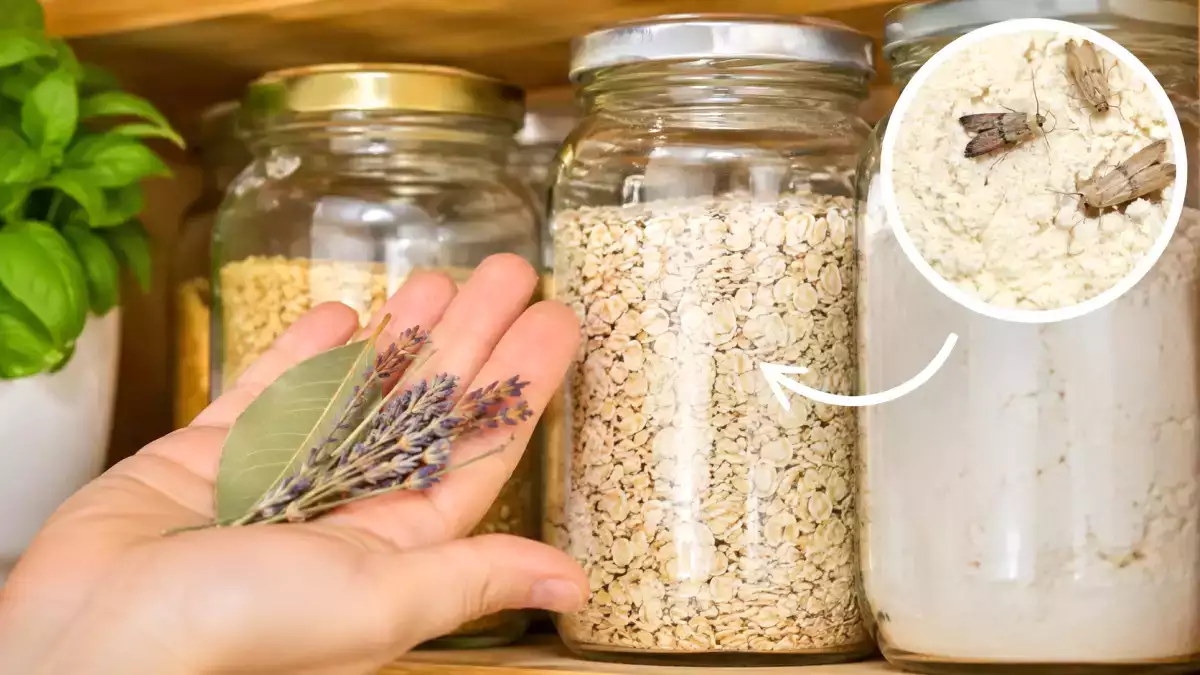
Do you open the pantry to get some flour and find tiny strands, dark specks, or a little moth fluttering about far too casually? They could be flour moths, tiny but very annoying pests. Grandmas’ favorite natural remedy is simple: bay leaves placed in the right spots, along with thorough cleaning and tightly sealed containers.
You might also be interested in:
 How to banish kitchen midges overnight with a natural, chemical-free remedy anyone can use tonight
When temperatures rise, midges in the kitchen suddenly appear and seem impossible to get rid of. Ripe fruit, moisture and small debris continually attract them. However, there is a simple and effective natural remedy that can help you get rid of them quickly without using chemical sprays.
 How Grandma gets rid of ants in the kitchen: simple, practical tips you can try at home today
Ants are invading our kitchens, but the solution could be hiding in your cupboards. Between grandma's techniques and natural reflexes, are you ready to deal with them without chemicals? Ants have declared war on our kitchens, and it looks like they have a well-laid invasion plan. But before you raise the white flag or call in the chemical artillery, have...
What are flour moths and why do they end up in the kitchen?
They often enter the home inside a contaminated package or come from packages that have been left open for too long. From there, they spread discreetly, as the larvae hide well in the folds of bags, the corners of shelves, and cardboard boxes. That’s why the question “How can you tell if flour has moths?” is more common than it seems: you don’t always see the adult insect right away, but you might notice small clumps, fine webs, unusual powder, or an off smell.
Grandma's natural remedy: bay leaves in the pantry
How do you use it? Place one or two dried bay leaves in the corners of your pantry, near the jars but not in direct contact with loose food items. You can also place them next to containers of flour, pasta, and rice. Replace them every three or four weeks: when they lose their scent, they also lose some of their effectiveness.
If you’re wondering,“Does bay leaf work against flour moths?”, the most accurate answer is: it works as a natural barrier and as a preventive measure, but it must be combined with good hygiene, regular inspection of packaging, and proper storage.
Rule #1: Check and empty the pantry
When you find flour moths in your flour, it’s not enough to just put in a bay leaf and hope the kitchen staff will forget about it. You need to do a quick check of everything. Open all dry food packages, especially those that have already been opened. Take a close look inside the flour, semolina, pasta, rice, cereals, and cookies: if you see threads, larvae, insects, moving specks, or suspicious lumps, it’s best to discard the product.
Here’s what to do, step by step:
- Check all open packages, not just the flour one;
- throw the contaminated food into a sealed bag;
- vacuum up crumbs and debris from the corners of the pantry;
- Wash the shelves with hot water and a little soap;
- dry them thoroughly before putting the food back;
- Store everything in airtight glass or food-safe plastic containers.
Drying is essential: moisture and food residue are an open invitation to new, unwanted guests.
How to store flour, pasta, and rice to prevent moth infestations
Many people ask,“Can I use the flour if I’ve seen flour moths?” The cautious answer is no, especially if there are obvious signs of contamination. Foods infested with food moths should be discarded, not sifted and reused. Sifting may remove visible parts, but it doesn’t guarantee that the product is truly clean.
Another helpful tip is not to stockpile too many packages. Buying huge supplies of flour may seem cost-effective, but if they sit in the pantry for months, the chances of problems increase. It’s better to buy amounts that match your actual consumption and do a quick check every time you open a new package.
Other useful natural remedies: cloves, citrus fruits, and regular cleaning
The key point is not to confuse scent with cleanliness. A natural remedy helps, but it is no substitute for checking your food. If your pantry is full of crumbs, open packages, and dusty corners, no aromatic herb will work miracles.
To keep your pantry safer, set aside one day a month for a quick check: move the jars, wipe everything down with a dry cloth, check the expiration dates, and inspect your dry goods. It’s a small step, but it prevents that classic scenario of a bag of flour that’s been open for months and has become a haven for moths.
When the problem is more serious
Sticky traps specifically designed for food moths can help monitor the situation, but they shouldn’t be the only solution. They’re mainly useful for determining whether the infestation is still active. What really makes a difference is organization, airtight containers, and constant monitoring.
In summary: bay leaves are grandma’s secret remedy to always keep in the pantry, but they work best when the kitchen is clean and food is protected. That way, flour, pasta, and grains stay where they belong: in their jars, not on the moths’ menu.
 Daniele Mainieri
Comments