Stop wasting food: 7 common mistakes you're making that make fruits and vegetables rot much faster
Monday 24 August 2026 21:00 - Adèle Peyches
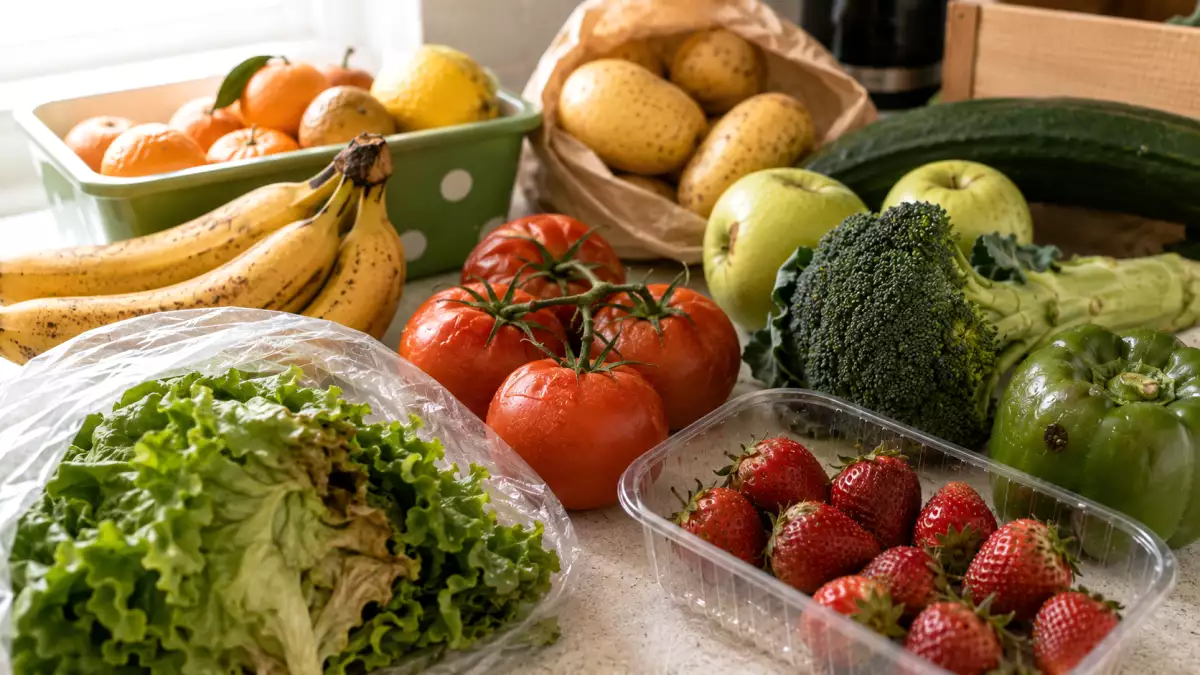
Yet, in many cases, fruits and vegetables don’t rot simply because they were already fragile. They spoil faster because of common little mistakes: too much moisture, an overloaded refrigerator, placing ripe fruits next to delicate vegetables, or even washing produce too long before eating it.
The good news is that it often takes just a few simple steps to keep them fresh for several more days. It’s not about turning your kitchen into a lab, but about organizing better, ventilating better, and paying closer attention to what you buy.
1. Washing them too soon before putting them away
It’s essential to wash fruits and vegetables before eating them, especially when they’re eaten raw. But washing them immediately after coming home from the grocery store can sometimes cause them to spoil more quickly. The problem stems mainly from water left on the surface: it promotes moisture buildup in boxes, bags, or the crisper drawer, and some produce doesn’t handle this well at all.
Strawberries, raspberries, lettuce, fresh herbs, and mushrooms are particularly sensitive. If they’re stored while still wet, they can become mushy, turn black, or develop mold much more quickly.
The best practice: wash them at the last minute whenever possible. If you need to prepare them in advance, dry them very thoroughly with a clean dish towel or paper towels before storing them in the fridge.
Strawberries, raspberries, lettuce, fresh herbs, and mushrooms are particularly sensitive. If they’re stored while still wet, they can become mushy, turn black, or develop mold much more quickly.
The best practice: wash them at the last minute whenever possible. If you need to prepare them in advance, dry them very thoroughly with a clean dish towel or paper towels before storing them in the fridge.
2. Leave them in a sealed plastic bag
A sealed plastic bag seems to protect food. In reality, it can sometimes have the opposite effect. Inside, moisture gets trapped, air doesn’t circulate well, and fruits or vegetables end up “sweating.” The result: the bottom of the bag gets damp, the leaves soften, and mold appears more quickly.
This is especially true for lettuce, zucchini, carrots, herbs, or vegetables that are already somewhat delicate. A completely airtight bag isn’t always suitable, except for pre-prepared items that have been stored properly.
The right approach: use perforated bags, containers lined with paper towels, or allow for a slight flow of air. The goal is simple: prevent food from drying out without trapping it in an environment that’s too humid.
This is especially true for lettuce, zucchini, carrots, herbs, or vegetables that are already somewhat delicate. A completely airtight bag isn’t always suitable, except for pre-prepared items that have been stored properly.
The right approach: use perforated bags, containers lined with paper towels, or allow for a slight flow of air. The goal is simple: prevent food from drying out without trapping it in an environment that’s too humid.
3. Combine all the fruits and vegetables
Putting everything in the same basket or container may seem convenient, but it’s not always a good idea. Some fruits continue to ripen after purchase and can speed up the ripening process of items placed right next to them. This is true of bananas, apples, pears, peaches, and very ripe avocados.
When placed next to a salad, a cucumber, or fresh herbs, these fruits can shorten the shelf life of those items. You may then end up with produce that goes soft faster than expected, without understanding why.
The right thing to do: Keep very ripe fruits separate. Use them quickly, or store them in the fridge if that’s appropriate for the fruit. And if a banana is already very ripe, don’t let it sit right next to fruits you want to keep longer.
When placed next to a salad, a cucumber, or fresh herbs, these fruits can shorten the shelf life of those items. You may then end up with produce that goes soft faster than expected, without understanding why.
The right thing to do: Keep very ripe fruits separate. Use them quickly, or store them in the fridge if that’s appropriate for the fruit. And if a banana is already very ripe, don’t let it sit right next to fruits you want to keep longer.
4. Overfilling the refrigerator
An overfilled refrigerator doesn't keep food as well. Cold air doesn’t circulate properly, certain areas become less evenly cooled, and food stored at the back can be forgotten until it’s too late. In the summer, when you have plenty of fruits, vegetables, leftovers, and cold drinks, this mistake happens very quickly.
Cold temperatures help slow down food spoilage, but the air still needs to circulate properly. A crammed crisper drawer, filled with sealed bags and moist produce, quickly becomes a breeding ground for unpleasant surprises.
The right approach: Avoid packing food too tightly. Place the most delicate items at the front, check the crisper drawer regularly, and keep the refrigerator at around 39 °F/4 °C in the coldest section. A well-organized fridge often means less food waste.
Cold temperatures help slow down food spoilage, but the air still needs to circulate properly. A crammed crisper drawer, filled with sealed bags and moist produce, quickly becomes a breeding ground for unpleasant surprises.
The right approach: Avoid packing food too tightly. Place the most delicate items at the front, check the crisper drawer regularly, and keep the refrigerator at around 39 °F/4 °C in the coldest section. A well-organized fridge often means less food waste.
5. Don't forget the cut-up fruits and vegetables
Once cut, fruits and vegetables become more delicate. Their flesh is exposed to the air, they lose their texture more quickly, and they must be stored with greater care. Half a melon left in the fridge without protection, cucumber sticks forgotten on a plate, or a cut tomato left at room temperature for too long won’t keep as well as a whole piece.
Pre-cut or ready-to-eat produce should be refrigerated quickly in a clean, sealed container. It’s best to avoid leaving them on the counter all afternoon, especially when it’s hot.
The right thing to do: Place cut fruits and vegetables in an airtight container in the refrigerator and eat them quickly. If the smell, texture, or appearance changes noticeably, it’s best not to take any chances.
Pre-cut or ready-to-eat produce should be refrigerated quickly in a clean, sealed container. It’s best to avoid leaving them on the counter all afternoon, especially when it’s hot.
The right thing to do: Place cut fruits and vegetables in an airtight container in the refrigerator and eat them quickly. If the smell, texture, or appearance changes noticeably, it’s best not to take any chances.
6. Keep damaged products with the others
A slightly damaged piece of fruit isn't necessarily a total loss. Depending on the type of fruit and its overall condition, you can sometimes cut off the damaged part and use the rest quickly. But leaving it in contact with other fruits is rarely a good idea. A squashed peach, a split tomato, or a moldy strawberry can speed up the spoilage of the rest of the produce.
Mold and moisture spread quickly, especially in trays of berries, salad bags, or boxes that are too tightly packed. Sometimes, just one badly damaged piece of fruit is enough to make the entire tray look spoiled.
The right thing to do: Sort through your groceries as soon as you get home. The ripest items or those with slight blemishes should be eaten first. Any items with visible mold should be discarded, especially in delicate batches like berries.
Mold and moisture spread quickly, especially in trays of berries, salad bags, or boxes that are too tightly packed. Sometimes, just one badly damaged piece of fruit is enough to make the entire tray look spoiled.
The right thing to do: Sort through your groceries as soon as you get home. The ripest items or those with slight blemishes should be eaten first. Any items with visible mold should be discarded, especially in delicate batches like berries.
7. Put foods that are best left to ripen at room temperature in the fridge
The refrigerator is useful, but it isn’t always the right solution. Some fruits need to ripen at room temperature before being refrigerated. This is true for peaches, apricots, nectarines, avocados, and certain tomatoes that are still firm. Putting them in the refrigerator too early can slow down their ripening, alter their texture, or cause them to lose flavor.
Conversely, once fully ripe, some fruits benefit from being refrigerated to slow down their ripening process. It’s all a matter of timing.
The right approach: let fruits that are still firm ripen at room temperature, then refrigerate them when they’re ready to eat. And for tomatoes, avoid prolonged exposure to cold if possible if you want to preserve their flavor.
Conversely, once fully ripe, some fruits benefit from being refrigerated to slow down their ripening process. It’s all a matter of timing.
The right approach: let fruits that are still firm ripen at room temperature, then refrigerate them when they’re ready to eat. And for tomatoes, avoid prolonged exposure to cold if possible if you want to preserve their flavor.
A simple rule to remember
To keep fruits and vegetables fresh longer, there are three things you should avoid above all else: too much moisture, too much heat, and too much clutter. Produce that is thoroughly dried, properly sorted, and stored in the right place often keeps much better.
The most effective method is very simple: keep delicate produce in the fridge, don’t overfill the fridge, separate very ripe fruit, eat cut fruit quickly, and check regularly for anything that’s starting to spoil.
These are small steps, but they make a big difference. Fewer forgotten fruits, fewer mushy vegetables, less waste… and, above all, a better chance of finding a crisp salad or strawberries that still look appetizing when it’s time to sit down to eat.
The most effective method is very simple: keep delicate produce in the fridge, don’t overfill the fridge, separate very ripe fruit, eat cut fruit quickly, and check regularly for anything that’s starting to spoil.
These are small steps, but they make a big difference. Fewer forgotten fruits, fewer mushy vegetables, less waste… and, above all, a better chance of finding a crisp salad or strawberries that still look appetizing when it’s time to sit down to eat.
 Adèle Peyches
Editorial manager who just can't wait for winter to enjoy fondue! Passionate about gastronomy and always on the lookout for new culinary gems, I first studied law before returning to my first love: the taste of good products and the joy of sharing around the table :)
Comments