The 5 mistakes that ruin your sautéing and how to avoid them
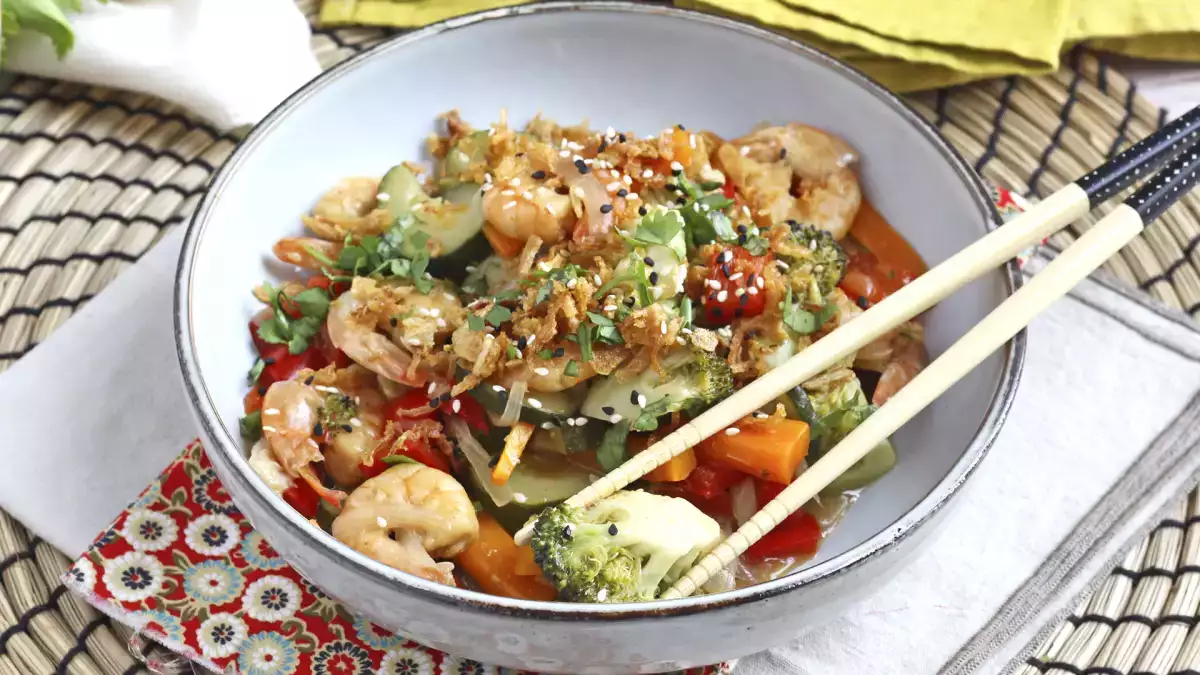
After you read this, you’ll never look at a stir-fry as “a pan with stuff” again. You’ll see it for what it really is: a method for getting vegetables browned yet vibrant, proteins juicy, and sauces that cling exactly where they should. Grab a knife, a cutting board, a pan, and a bit of order: that’s all you need to make a great “wok-style” stir-fry at home.
For years, I thought stir-frying was a wrist sport: flames, smoke, food flying through the air and somehow not ending up on the floor. Then I realized it has nothing to do with juggling and everything to do with choreography: getting the steps and the heat right. In Asia, they’ve been mastering this in woks for centuries; in a Western kitchen, we can get very close with a regular skillet and some basic technique. The hard part isn’t stir-frying; it’s accepting that you can’t throw everything in the pan at once and expect it to turn out well.
Mistake 1: Starting with a cold pan
Stir-fry needs a heat shock. The wok or skillet has to be really hot before anything hits it, so that first contact gives you instant browning. If you start in a lukewarm pan, your food slowly releases water, and between that and the extra time, your dish loses flavor and texture. You weren’t stir-frying, you were just warming ingredients.
Do it like this:
Heat the pan over high heat first, add the oil after it’s hot, and when the oil looks loose and shimmery, in goes the first ingredient. No fear.
Mistake 2: Not having everything prepped before you turn on the heat
There’s an unwritten law of stir-fry: everything has to be washed, cut, and within reach before the burner is on. Stir-frying is fast and hot. That means one thing: there is zero time to hunt for a spatula, open a jar, or peel garlic “real quick” halfway through. If you have to stop, the pan cools down, the vegetables start steaming, the meat leaks juices, and you’re left wondering why your food doesn’t taste like the restaurant version.
Bowls of prepped veggies, aromatics, sauce, protein and clean tongs/spatula all ready and lined up. Then, you light the burner.
Mistake 3: Adding wet ingredients (or not drying them properly)
This one can ruin the whole thing. Freshly washed, poorly dried veggies, rinsed mushrooms, noodles that weren’t drained well, tofu straight from the package… all of that brings extra water to the pan. The moment they hit the hot oil, that water turns to steam, your veggies soften instead of brown, and your protein loses juiciness. And steam, in a stir-fry, is the natural enemy of golden, tasty bits.
The fix is obvious but crucial: dry everything.
- Pat vegetables dry with paper towels.
- Drain noodles and rice thoroughly.
- If you’ve marinated something, let the excess marinade drip off before it hits the pan.
That’s how you get color and texture instead of a sad, soggy mix.
Mistake 4: Overcrowding the pan
Stir-frying is not “throw half the fridge in the pan and hope.” A good stir-fry has two clear traits: browning and texture. Browning gives you flavor; texture makes you want the next bite. When you dump in too much at once, you’re not stir-frying anymore... you’re accidentally steaming. And steam, however noble in other recipes, is the villain here.
The solution is called cooking in batches:
- Cook each component when it’s their turn.
- Take them out once they’re ready.
- Bring everything back together at the end with the sauce.
It’s not being fussy; it’s the difference between “this is pretty good” and “whoa, this is really good.”
Mistake 5: Ignoring the order of ingredients
Chicken doesn’t cook at the same speed as bell peppers, and bell peppers don’t cook like spinach. Order matters.
1) Protein first: hot and quick
Protein goes in first: chicken, beef, pork, shrimp, tofu…
That’s because a lot of proteins release juices as soon as they hit the heat, and if that liquid falls on your veggies from the start, you can say goodbye to browning.
- Start with a very hot pan and a little oil.
- Cook the protein in small batches; if you crowd it, it steams instead of sears.
- Give it roughly 60–90 seconds per side (depending on size), just enough to get color.
- Remove it to a plate. You’re not trying to fully cook it here; you’re getting it started so it can finish later when it goes back in with the sauce.
Little home tip: if you want juicy chicken without crossing your fingers, thigh meat usually forgives a lot more than breast.
2) Aromatics: 15 seconds of glory
Next come the aromatics: garlic, ginger, scallions, chili.
They go in once the pan is hot again, and their moment is short but powerful: 10–20 seconds. You’re not “slow-cooking” them; you’re waking them up just enough to perfume the oil and your kitchen. Stir constantly and pull in the veggies before anything browns too much. Burnt garlic has a special talent for ruining an entire dish with one blackened corner.
3) Veggies: add them according to hardness
This is what separates happy stir-fry eaters from those chewing on limp veggies: understanding that not all vegetables cook at the same speed, and that sequence is everything.
Rough guide:
- Hard veggies first (2–4 minutes):
Carrots, broccoli, cauliflower, green beans, cabbage, bell peppers, fennel—anything that actually needs a few minutes to soften.
- Medium veggies next (1–2 minutes):
Zucchini, mushrooms, asparagus, the stems of bok choy, etc.
- Tender greens last (30–60 seconds):
Spinach, baby greens, sprouts, herbs, the green part of scallions. They cook almost instantly.
If at any point a veggie feels too firm, add a tiny splash of water, clap on a lid for 20–30 seconds, and you’re done. We’re using controlled steam here, not boiling them to death.
4) Protein back in + sauce: finish, don’t stew
Now return the protein and any juices on the plate to the pan.
This is the moment for the sauce. Pour it in, toss everything together, and let it cook about a minute, just until it coats the ingredients and thickens slightly.
A stir-fry does not need ten minutes simmering in sauce... that’s how you go from glossy and vibrant to dull and overcooked. Stir-fries finish fast.
And you?
In the end, good stir-fry is not about owning a carbon-steel wok or flipping food in the air like a pro. Those things are fun, sure. But what really matters at home is heat, order, and a bit of common sense.
These are the mistakes that most often sabotage a stir-fry. Were you making any of them?
And do you have a go-to trick that makes your “wok nights” come out extra delicious?
 Patricia González
Comments