The bay leaf, the forgotten trick to keep an oven spotless without effort
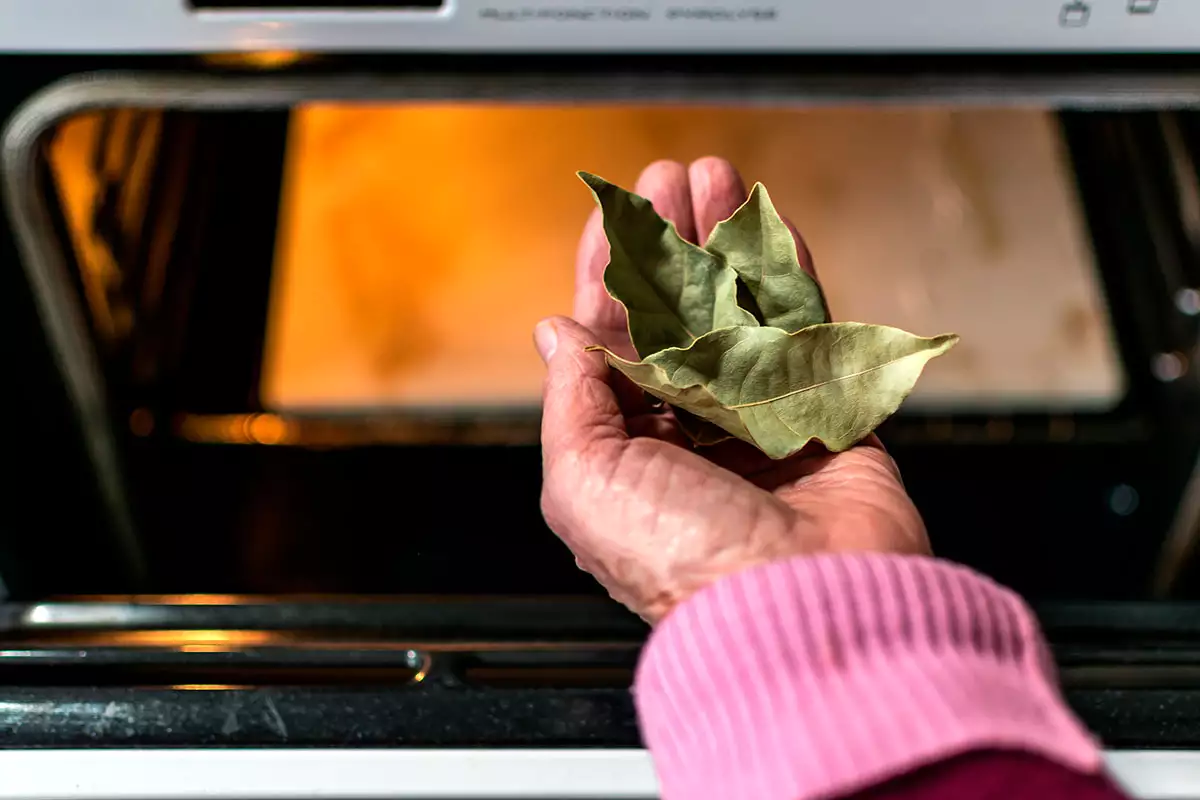
Is your oven harboring odors that just won’t budge? Discover how a humble ingredient from your spice rack—bay leaves—can transform your cleaning routine, making it both effortless and effective. Could this age-old method be the secret to a fresher kitchen?
Ovens quickly collect splatters and lingering smells that make cleanup a grind. Céline Cossa spotlights a simple fix handed down through generations: bay leaves, valued not only for flavor but for natural deodorizing and antifungal power. Pair a brief wipe with warm water, white vinegar, and lemon juice with a 10 minute, 100 °C cycle and 2 to 3 bay leaves for a fresher oven, no scrubbing required. Repeat once or twice a month to keep odors and bacteria in check, a small ritual aligned with the broader shift to natural home care.
Why oven maintenance is a challenge
You cook, splatter happens, and then the heat does the rest. Grease and crumbs bake into a stubborn film that laughs at quick wipes. After a few weekends, you notice lingering odors and smoky preheats. It’s not just cosmetic. Residue can release unpleasant fumes and even taint flavors. You scrub, you spray, and you wait while harsh chemicals “work.” That’s a lot of time you don’t have. Many cleaners are also strong enough to irritate skin or eyes. No wonder the job gets postponed. The result? More buildup, more effort, and a cycle you’d rather break.
The natural power of bay leaves
There’s a simple, old-school fix hiding in your spice jar: bay leaves. Beyond soups and stews, they pack deodorizing muscle thanks to aromatic oils that neutralize kitchen smells. Their compounds are also noted for antifungal activity in lab settings, making them a smart ally for freshening appliances. You’re not masking odors with perfume; you’re airing them out with a clean, herbaceous scent. No residues. No neon foam. Just a warm, subtle aroma that tells you the oven is ready for another round of cooking.
How to use bay leaves to refresh your oven
The routine is quick, practical, and doesn’t require elbow grease. Start with a light clean, then let the leaves do the rest.
- Wipe visible surfaces with warm water, white vinegar, and a squeeze of lemon. This loosens grease and cuts film fast.
- Pat dry with a cloth. You don’t need a perfect shine—just remove wet spots and crumbs.
- Place 2–3 bay leaves on a clean tray or an oven-safe dish.
- Heat the oven to 100 °C and run it for 10 minutes. The gentle warmth releases aromatic oils without burning the leaves.
- Turn off the oven, crack the door, and let it cool. Discard the leaves once they’re dry and brittle.
That’s it. You get a fresher oven, fewer odors, and less scrubbing next time. If you’ve cooked fish or anything particularly pungent, repeat the 10-minute cycle after dinner. Safety note: keep the leaves on a tray, don’t place them directly on heating elements, and avoid leaving the oven unattended.
How often should you use this method?
For most households, once or twice a month does the trick. If you bake daily, or roast a lot of fatty meats, try every other week. The light wipe plus short heat cycle keeps odor compounds from settling in. Over time, you’ll notice less residue and far fewer deep cleans. Think of it as maintenance, not a major chore. Put it on your calendar, and your future self will say thanks.
Why natural cleaning solutions are worth it
Natural methods aren’t just trendy. They’re practical, safer to handle, and kinder to indoor air. Bay leaves, vinegar, and lemon avoid the harsh solvents that can irritate sensitive noses. They also reduce wear on gaskets and coatings that don’t love abrasives. You’ll cut down on single-use plastic and specialty sprays, and you’ll rely more on staples you already own. That’s sustainability with a side of convenience. Best of all, this tiny ritual builds a cleaner kitchen routine—quiet, effective, and refreshingly low effort.
 Vincent Sabourdy
I make the best crêpes on the street.
I love accessible recipes, practical advice, and culinary news.
My goal: to offer the best possible culinary website to make cooking a pleasant and shared experience.
Comments